We consistently overlook the foundational nature of misogyny and gender-based violence in the histories or motivations of nearly all perpetrators of mass violence.
A recent New York Times poll revealed that—for the first time in my memory—the economy is no longer the most pressing issue on the minds of Americans. Instead, Americans are now most worried about political division and political violence.
No wonder: We have seen a rise in political assassinations and assassination attempts, along with violent extremist attacks that have ticked upward for years. Mass casualty plots in the U.S. have increased by over 2,000 percent since the 1990s, leading to the deaths or grievous injury of thousands of people in shootings at schools, grocery stores, theaters, parades, concerts, houses of worship and more.
In the search for explanations, the public and policy discourse is most often swept up in heated debates about far-left or far-right ideologies.
But the data shows that the biggest and clearest predictor of mass shootings, across ideologies, sits somewhere else: in rising gendered grievances, patriarchal backlash, and the perpetrators’ histories of gender-based violence and misogyny. Sixty percent of mass shooters have a documented history of domestic and intimate partner violence, and nearly all of the rest had some prior acts of harassment, stalking, sexual assault or online misogyny and gender-based attacks. That includes rape and kidnapping threats against girls and women, anti-LGBTQ+ violence, revenge porn or the use of AI-generated nude image and video apps, just to name a few examples.
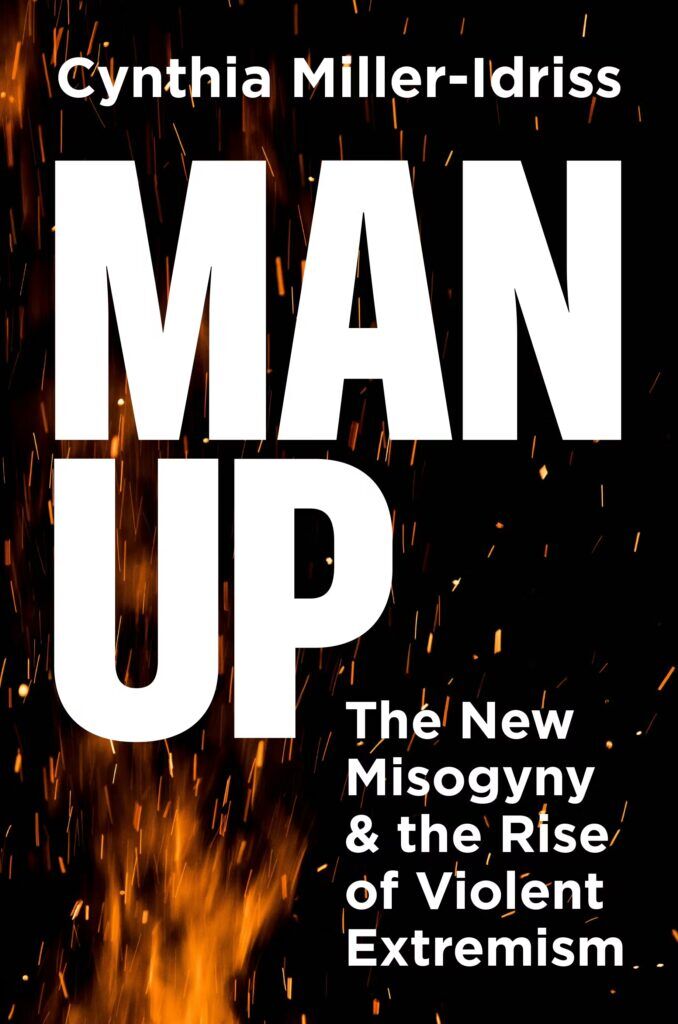
I wrote Man Up to make visible what has been invisible for far too long—the bright red thread of misogyny that links nearly all mass violence—and to call for solutions that address these root causes and keep all of us safer.
… the biggest and clearest predictor of mass shootings, across ideologies, sits … in rising gendered grievances, patriarchal backlash, and the perpetrators’ histories of gender-based violence and misogyny.
The following is an excerpt from Cynthia Miller-Idriss‘ Man Up: The New Misogyny and the Rise of Violent Extremism, published in September. On Friday and Saturday, Ms. will publish a two-part conversation between Miller-Idriss and Jackson Katz that digs into how misogyny fuels political violence, how boys and young men are radicalized online, and what parents, teachers and communities can do to interrupt that pipeline.
There is no question that masculinity is both more fragile and more policed than femininity.
Sanctions are stricter for men who violate gendered norms than they are for women—in part because Western culture valorizes masculinity and devalues femininity.
And masculinity itself is often performed through that devaluing of femininity, regardless of who performs it—i.e., trans women, gay men or heterosexual women. While girls and women are now allowed broader flexibility in embracing traits and activities traditionally seen as “masculine,” the same is not true for boys and men who adopt traditional “feminine” traits or roles. Think of the difference in how parents respond to “feminine boys” or “masculine girls,” and in the social sanctions and bullying that each group faces among peers.
In a modern patriarchal system, girls and women have more freedom to breach gender roles and expectations, but are less valued; boys and men have less freedom to reject social expectations about manhood and masculinity, but receive more automatic status and power.
… Hostile sexist and misogynist attitudes are often a bigger predictor of support for violent extremism than any other factor …
The implications for violence are devastating. A culture that rewards and expects boys and men to be dominant, aggressive and violent ultimately produces and reproduces that same violence in ways that harm all of us. And yet, we fail to acknowledge, address, or prevent that from happening in any meaningful way.
The consequences of our inattention to the gendered dimensions of mass violence are not limited to fringe terrorist movements or violent attacks. They also affect and shape our broader democratic crisis, especially related to growing support for political violence.
People who hold hostile sexist views are substantially more likely to express support for political violence and violent extremism. The relationship is robust, reported across a wide range of national and ideological contexts, showing that hostile sexist and misogynist attitudes are often a bigger predictor of support for violent extremism than any other factor—including, in some countries, religiosity, age, gender, level of education and employment.
These factors also affect rising violence against women political leaders in ways that fundamentally undermine inclusive democracies. Online violence and abuse against women in politics aims to silence or punish women leaders, especially those who speak out about issues of gender equality. Women politicians have been subject to beatings and killings, blackmail, extortion and smear campaigns globally. They also face the constant and quotidian problem of gendered media coverage that objectifies and trivializes women politicians alongside an “adversarial style of politics that enables and foments sexual harassment in legislative chambers.”
Taken together, these varied categories of violent harm rooted in sexism and misogyny reveal a crisis all the more shocking for how it is largely ignored. The data are crystal clear. Women are perpetrators of violence in many ways, including through support for white supremacist and other violent extremist movements and as domestic violent actors. But the most common—and least discussed—feature of mass shooters and violent terrorists is their manhood. And despite all the evidence about how boys and men are encouraged to see violence as “alluring and satisfying,” as bell hooks observes, when individual boys or men are violent, “pundits tend to behave as though it were a mystery.”
In fact, what Rebecca Solnit describes as the “pandemic of violence” is always “explained as anything but gender, anything but what would seem to be the broadest explanatory pattern of all.”
The oversight is strikingly evident across a wide variety of government and nonprofit reports on terrorism and mass shootings. In the FBI’s list of 22 “concerning behaviors” exhibited before mass shootings, gender does not appear a single time. Instead, warning signs are listed in ways that ignore gender itself, with categories like “interpersonal,” “threats or confrontations,” or “violent media use,” despite the fact that the targets of those problems are likely to involve women or intimate partners.
We fail to see gender-based violence as ideological, in other words—even when it is rooted in dehumanization and categorical, identity-based hate.
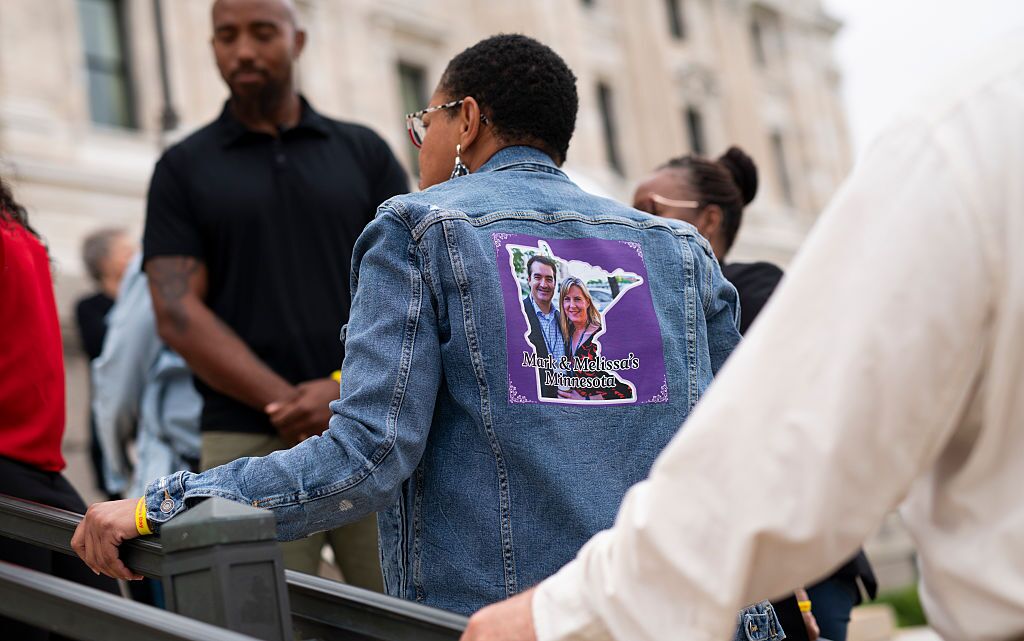
This is a failure with many ripple effects. We rarely count online or offline misogyny and gender-based harassment as hate speech. We do not classify intimate partner or sexual violence as hate crimes. Nor do we typically see misogyny included as part of hate group tracking or extremist incident monitoring reports from nongovernmental organizations or government agencies. The silences in the data and reporting are as shocking as they are deafening.
Even more tellingly, the U.S. government doesn’t include gender or sexual orientation as categories within our national threat assessment classification of domestic violent extremism. The threat assessment classification system breaks domestic violent extremism into three major categories, with subcategories for specific types of extremism, like sovereign citizens or anarchists. In a variety of formal and informal ways, these categories help shape national security priorities, such as staffing decisions in federal security and law enforcement agencies, as well as attention through congressional hearings and staff briefings.
Attacks motivated by gender or sexual orientation are folded into a catchall category of “other.”
Even animal rights extremists—who pose a risk to property damage at wildlife facilities and laboratories but are considered a “low threat in the United States”—get a category. Not so for gender or sexuality.
This oversight is part of why existing approaches have done little to eradicate the problem. Gendered violence, at least in the U.S. government assessment, is “other.”
It’s hard to see a problem for which there is no category.
Coming Friday and Saturday: Miller-Idriss joins Jackson Katz for a deeper, two-day conversation about misogyny, extremism and the urgent work ahead.
Great Job Cynthia Miller-Idriss & the Team @ Ms. Magazine Source link for sharing this story.