

Dr. Farah Waseem can feel the smog the moment she steps outside each morning.
The air smells dusty and burnt, irritating her throat and eyes right away. She has a dry cough that won’t go away, as do both of her parents. In the mornings and evenings in particular, the air is thick and murky, blurring her view of the Lahore skyline.
Each year, winter brings smog season to Pakistan’s second-largest city. From about October to February, extremely high levels of particulate matter—a mix of soot and other harmful pollutants—cause low visibility and exacerbate the year-round health risks of air pollution. A healthy reading on the air quality index is 50 or less; in 2024, with record-breaking smog, Lahore’s AQI exceeded 1,000 and Waseem couldn’t see the vehicle in front of her as she drove to work.
Even when it’s not setting records, Lahore has some of the worst air quality in the world. In early December, the Swiss company IQAir ranked it the most polluted major city, 10 times worse than New York City and Los Angeles. Other large, populous South Asian areas like Delhi, Kolkata and Dhaka were also high on the list.
“These are regional problems,” Waseem said. “The air pollution does not need a visa.”
Waseem is a 26-year-old doctor at a private hospital in Lahore, where she grew up. Although she’s at the start of her medical career, she has more than a decade of experience in global climate activism. She attended COP28 in the United Arab Emirates, was the first youth delegate from Pakistan at the World Health Assembly and has engaged in climate and health advocacy through global organizations like the World Wildlife Fund and Amnesty International.
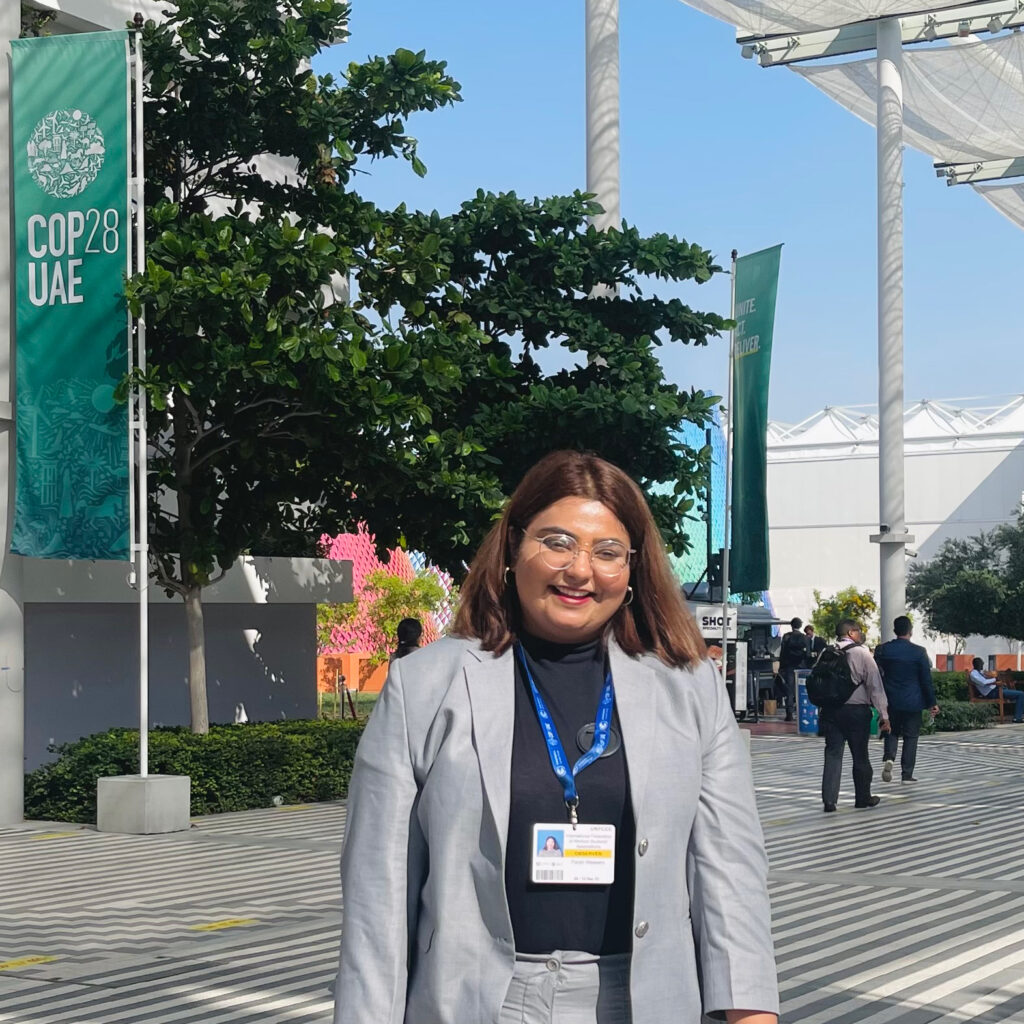
Now, as a medical professional, she sees how climate change is a matter of life and death. In the past year alone, Waseem has treated patients reeling from floods, heat waves and air pollution, the last of which is worsened by both continued fossil fuel combustion and global warming driven by those fuels. This winter, her hospital is experiencing a surge in patients of all ages presenting with severe symptoms related to the smog.
In early November, Waseem and her colleagues were seeing about 30 to 50 patients a day, a small increase from their usual average of 20 to 40, which Waseem said was mostly driven by smog-related cases. By the start of December, they were seeing more than 100 patients every day. The health implications are profound, Waseem said.
“Air pollution is one thing which does not only affect the lungs,” Waseem said. “It affects the entire body.”
Toxic particle pollution—from sources like vehicle and industrial emissions, biomass combustion and crop burning—can cause illness, birth defects and early death, also harming child development, fertility, heart health and cognition.
In 2025, Waseem said, children have come into the hospital with acute respiratory infections, bronchitis and exacerbated asthma. Even previously healthy adults are reporting severe coughs, eye irritation, conjunctivitis, allergy symptoms and skin complaints they haven’t had before. Waseem has also seen a noticeable uptick in respiratory distress among elderly patients, as well as angina flare-ups and worsening heart-failure symptoms.
She and her colleagues prescribe treatments such as medication and inhalers, but there are no lasting solutions without addressing the sources of pollution, she said.
“These are just Band-Aids,” Waseem said. “If we do not treat that root cause in itself, it’s not going to get better.”
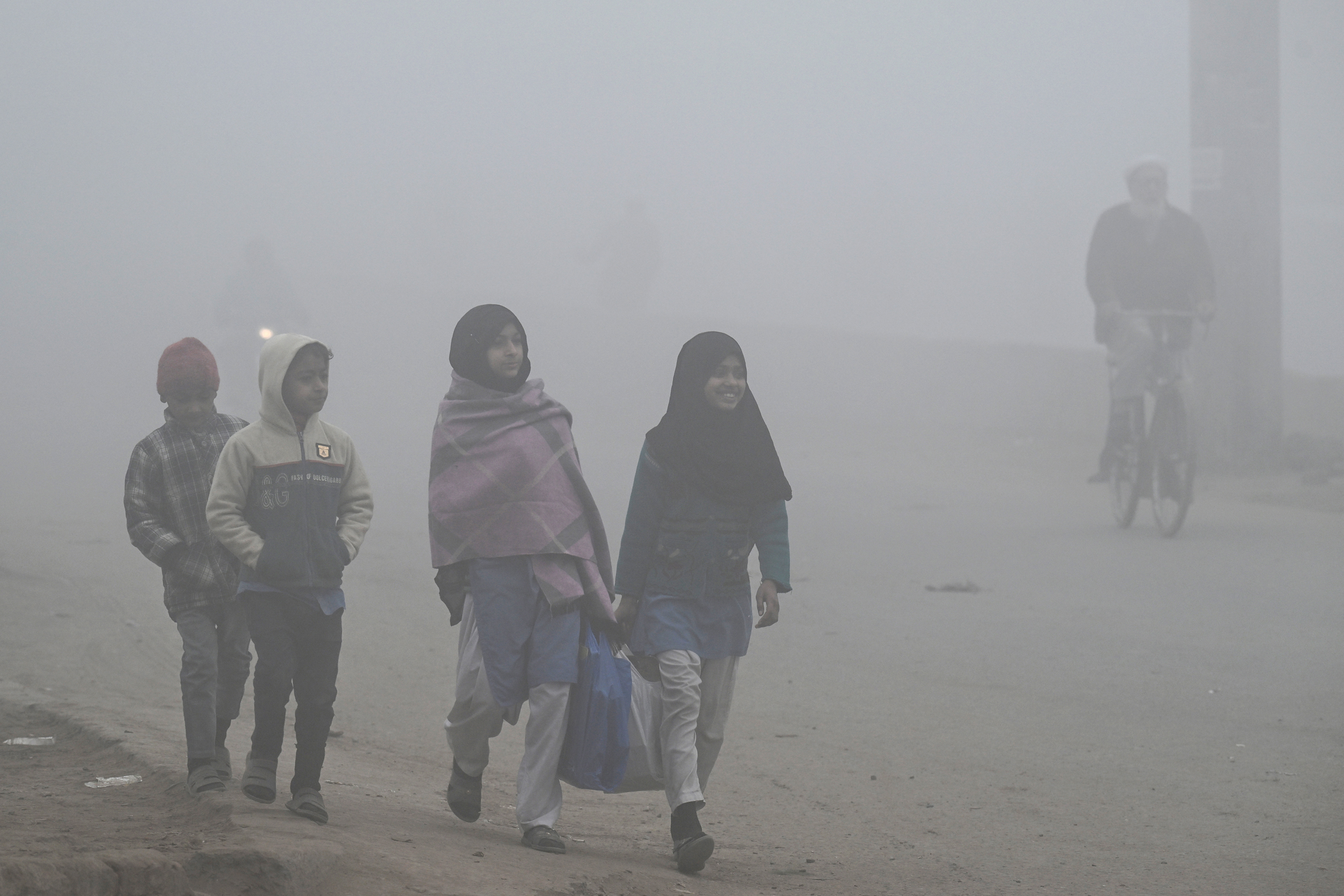
Waseem has also seen patients attempt and fail to treat their symptoms on their own, taking antibiotics that will do nothing to combat the effects of the smog.
Lahore’s smog intensifies during the winter due to industry, transportation and regional crop burning after harvest season, alongside low winds and cool temperatures that trap atmospheric pollutants. But poor air quality is a year-round public health crisis, and Waseem questions the utility of framing the problem as seasonal.
“It’s not just smog season, it’s air pollution, and that is there throughout the year,” Waseem said. “Just because you can see it in the winters, it does not negate the fact that it’s there through the rest of the year.”
From Climate Action to Medicine
Growing up, Waseem’s interest in climate change and environmental protection stemmed from a love of nature. In middle school, she got involved with the World Wildlife Fund, volunteering with the conservation organization as an ambassador for her school and organizing campaigns to raise awareness for environmental issues. She didn’t intend to go into medicine, but when she was 18, her father survived a stroke.
“After that, I was very intrigued with what’s happening with his brain,” Waseem said. “I decided to pursue medical school.”
Early on in her medical education, Waseem and her peers were taken on observational visits to hospitals. Seeing patients suffering from respiratory issues or heat stroke, she began making connections between her climate activism and her new role as a doctor. Now, Waseem advocates for climate change to be a centerpiece in conversations about public health.
“We see firsthand how people are affected,” Waseem said. “We see the outcome, we see the mortality … and it’s just very heartbreaking.”
Pakistan is one of the most climate-vulnerable countries. In the past few years, its people have suffered record droughts, heat waves and devastating floods—most recently this past summer, when millions were forced to evacuate their homes. Meanwhile, climate-related deaths are severely undercounted.
Waseem said she sees a shifting awareness of climate change among her colleagues in medicine, which she attributes to relentless climate shocks. In 2025, Waseem and her colleagues received training to identify heat stroke and manage heat-related patient emergencies—the result of the previous year’s serious heat mortality.
“Pakistan has repeatedly seen all of these floods and these heat strokes and smog, and they’re seeing how much of a patient load is coming for them in hospital,” Waseem said. “They sort of had to acknowledge it.”
This summer, Waseem was working at a larger government hospital that, as catastrophic floods hit the Punjab and Khyber Pakhtunkhwa provinces, was inundated with patients suffering from flood-related ailments, including acute gastroenteritis and vector-borne diseases. Many of her patients were very poor. Some came from communities without sufficient health care facilities—sometimes selling livestock and traveling for multiple days to get there, she said. The hospital was overrun and understaffed.
That’s why Waseem wants greater investment in addressing the root causes of these climate health crises. She sees advocacy as a moral and civic duty.
This story is funded by readers like you.
Our nonprofit newsroom provides award-winning climate coverage free of charge and advertising. We rely on donations from readers like you to keep going. Please donate now to support our work.
Increasingly, so do other doctors. Networks of health professionals, including the Global Climate & Health Alliance, Health Care Without Harm and Physicians for Social Responsibility, have been among those calling for a global Fossil Fuel Non-Proliferation Treaty, a framework aiming to end fossil fuel expansion, phase out existing production and help communities transition to an economy based on renewable energy.
Globally, some medical schools and associations are beginning to integrate climate change or planetary health into their curricula, but these opportunities are often still elective, said Lisa Patel, executive director of The Medical Society Consortium on Climate & Health.
“The way climate change interplays with every organ system in your body, with every life stage, it’s complex,” said Patel, who is also a practicing physician in California. “You have to be trained in the subtle signs and symptoms.”
Right now, most U.S. doctors aren’t well-versed in that, Patel said. One of her goals is to make climate change part of medical board certification materials, so that all doctors get the information.
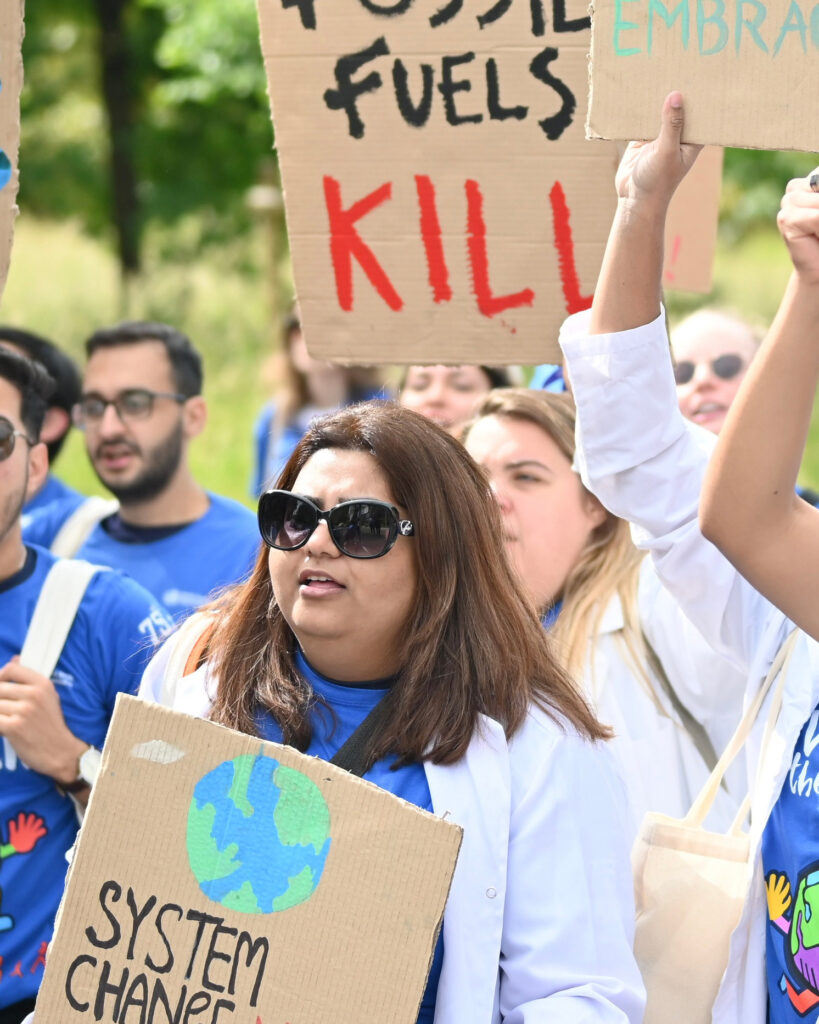
Waseem came of age as youth climate activists around the world were raising the alarm about climate change through school strikes and mass mobilization. Today, young activists remain at the forefront of global fights to halt the expansion of fossil-fuel infrastructure and connect the climate crisis with intersecting issues of poverty and economic disenfranchisement.
She believes in the power of younger generations to effect change. But she’s also disillusioned by some of the forums she once sought out, as global climate talks have repeatedly failed to produce a clear commitment to phase out fossil fuels.
“It almost feels like we are just buying time and letting those in power to extract out the remaining natural resources while the people most affected, especially the vulnerable communities, continue to bear the brunt of this,” Waseem said.
Closer to home, Waseem has been disappointed by the Pakistani government’s efforts to address the smog, pointing out the promotion of “anti-smog cannons” that spray water droplets into the air but don’t address the pollution sources.
“I don’t expect to wake up to an AQI of 2, especially when it has taken years and years of neglect and mismanagement to reach this point,” Waseem wrote in a follow-up email. “But I also believe that the measures we take now have to be proactive and meaningful, rooted in long-term solutions and not short-lived theatrical fixes.”
About This Story
Perhaps you noticed: This story, like all the news we publish, is free to read. That’s because Inside Climate News is a 501c3 nonprofit organization. We do not charge a subscription fee, lock our news behind a paywall, or clutter our website with ads. We make our news on climate and the environment freely available to you and anyone who wants it.
That’s not all. We also share our news for free with scores of other media organizations around the country. Many of them can’t afford to do environmental journalism of their own. We’ve built bureaus from coast to coast to report local stories, collaborate with local newsrooms and co-publish articles so that this vital work is shared as widely as possible.
Two of us launched ICN in 2007. Six years later we earned a Pulitzer Prize for National Reporting, and now we run the oldest and largest dedicated climate newsroom in the nation. We tell the story in all its complexity. We hold polluters accountable. We expose environmental injustice. We debunk misinformation. We scrutinize solutions and inspire action.
Donations from readers like you fund every aspect of what we do. If you don’t already, will you support our ongoing work, our reporting on the biggest crisis facing our planet, and help us reach even more readers in more places?
Please take a moment to make a tax-deductible donation. Every one of them makes a difference.
Thank you,

Reporter, Health and Justice
Keerti Gopal covers intersections between climate change, public health and environmental justice at Inside Climate News. Previously, she covered climate activism and movement repression. She is a National Geographic Explorer and has received fellowships from Fulbright, the Solutions Journalism Network, The Lever, and the National Press Foundation.
Great Job By Keerti Gopal & the Team @ Inside Climate News Source link for sharing this story.