
In a year marked by democratic backsliding, cultural reckoning and organized resistance, these feminists reshaped power, through law, leadership, art and collective courage.
Govs.-Elect Mikie Sherrill and Abigail Spanberger
Former national security professionals Mikie Sherrill and Abigail Spanberger—once roommates—each won gubernatorial races on pro-democracy, pro-freedom platforms. Their victories reflect voters’ appetite for women leaders with competence and clear-eyed rejection of authoritarian politics.
Massachusetts Gov. Maura Healey
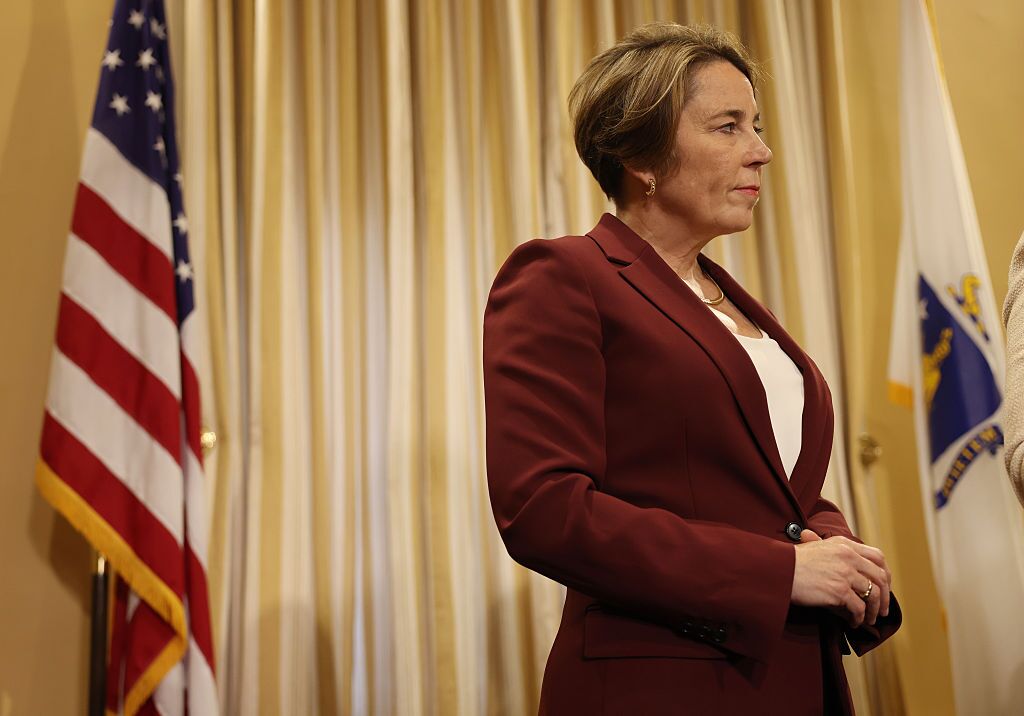
As governor of Massachusetts—and first out lesbian governor in U.S. history—Maura Healey has positioned her state as a firewall against Trump-era rollbacks: protecting abortion access, immigrants and food assistance while challenging federal overreach. Her leadership demonstrates how state power can be wielded unapologetically in defense of human rights and democracy.
(This summer, Ms. featured Healey on the Looking Back, Moving Forward limited series podcast and published an in-depth interview about her leadership and how she made Massachusetts a beacon for reproductive freedom.)
New York Attorney General Letitia James
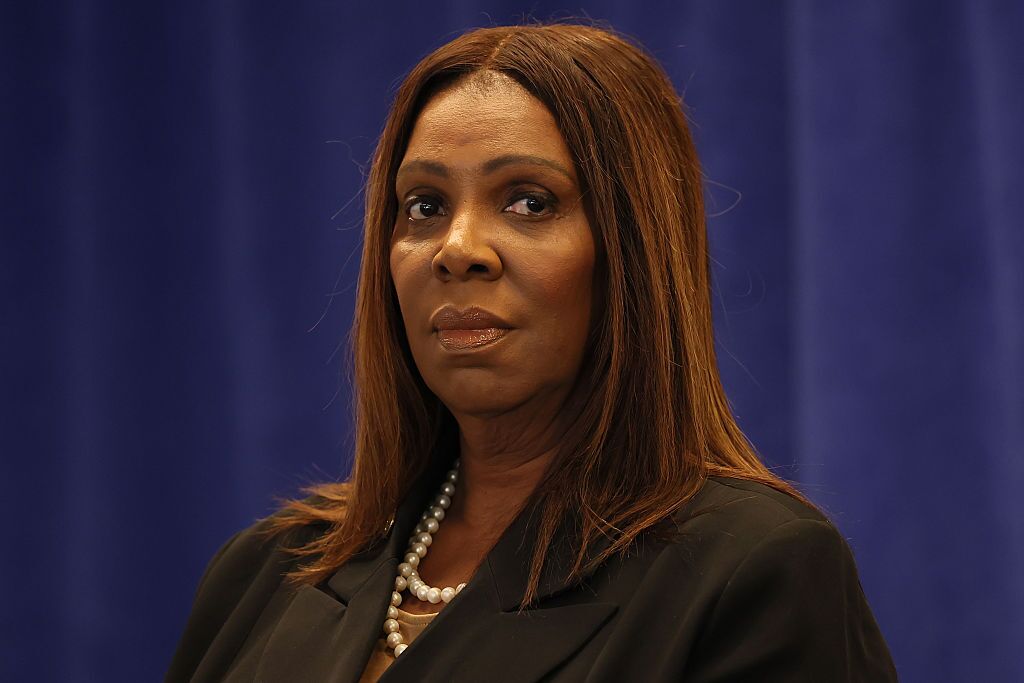
New York Attorney General Letitia James has remained one of Trump’s most persistent legal counterweights, defending reproductive healthcare providers and repeatedly holding the administration accountable in court. Her work shows how state attorneys general can serve as frontline defenders of democracy.
(Listen to Ms.’ new episode of On the Issues with Michele Goodwin to learn more about attorneys general fighting back against the Trump administration across the country.)
Justices Ketanji Brown Jackson, Elena Kagan and Sonia Sotomayor
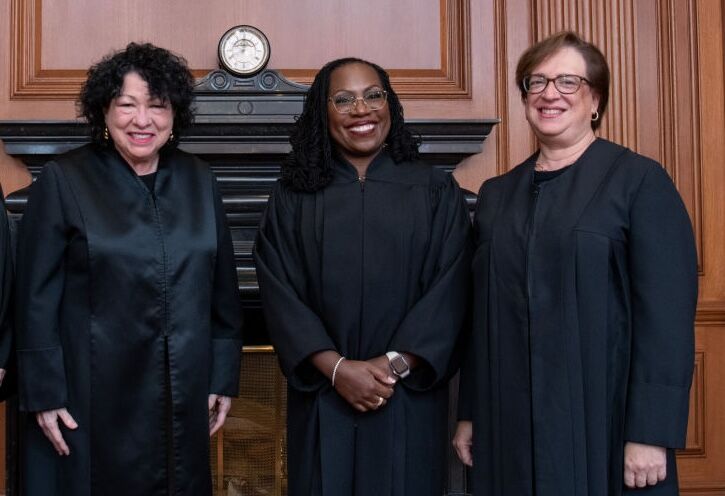
On an increasingly hostile Supreme Court, Justices Jackson, Kagan and Sotomayor have used dissents to document the real-world consequences of attacks on bodily autonomy, civil rights and democratic norms. Their opinions preserve a moral and constitutional record for history.
Trump v. Casa, the universal injunction decision relating to Trump immigration EOs: Writing in dissent in Trump v. Casa, the case in which SCOTUS upheld that Trump’s executive orders ruling on immigration and birthright citizenship could operate without check from district court injunctions, Sotomayor wrote:
“The rule of law is not a given in this Nation, nor any other. It is a precept of our democracy that will endure only if those brave enough in every branch fight for its survival. Today, the Court abdicates its vital role in that effort. With the stroke of a pen, the President has made a ‘solemn mockery’ of our Constitution.”
Trump v. American Federation of Government Employees: When the Supreme Court allowed Trump to move forward with plans to drastically reduce the size of the federal government through mass firings and reorganization, Jackson wrote in dissent:
“For some reason, this court sees fit to step in now and release the President’s wrecking ball at the outset of this litigation. In my view, this decision is not only truly unfortunate but also hubristic and senseless.”
Department of State v. AIDS Vaccine Advocacy Coalition: This year, the Trump Administration has moved to cut billions of dollars in funding to U.S. foreign aid programs. When the Supreme Court stopped an order requiring the Trump Administration to free $4 billion in foreign aid, citing the president’s control over foreign affairs, Kagan emphasized the dangerous human costs of this decision in her dissent:
“The stay the majority grants today suspends [the] court order. The effect is to prevent the funds from reaching their intended recipients—not just now but (because of their impending expiration) for all time.”
Speaker Emerita Nancy Pelosi

Speaker Emerita Nancy Pelosi’s legacy is inseparable from the modern fight for democratic governance—from defending free and fair elections to advancing women’s rights through legislative power. Her leadership continues to shape how resistance is organized inside government.
Ms. was the first national magazine to put Pelosi on our cover, under the headline: “This is what a speaker looks like.”
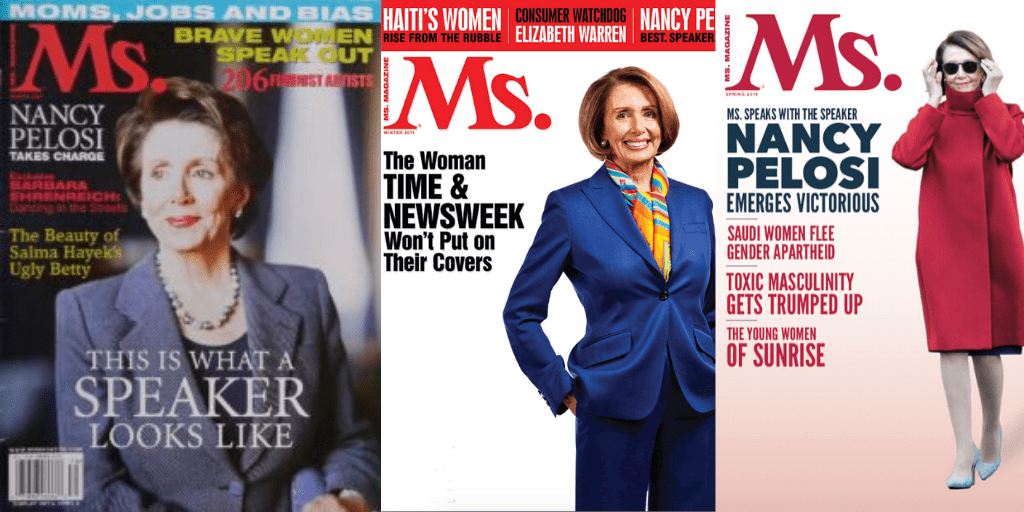
“People were bewildered that just about any man could be on the [Time] cover, but the first woman speaker of the House was not,” Pelosi told Ms. executive editor Kathy Spillar. “I do think there are some people who can’t get used to the idea of women in power, but I don’t spend too much time—as I say, ‘I don’t agonize, I organize.’”
Former U.S. Pardon Attorney Liz Oyer
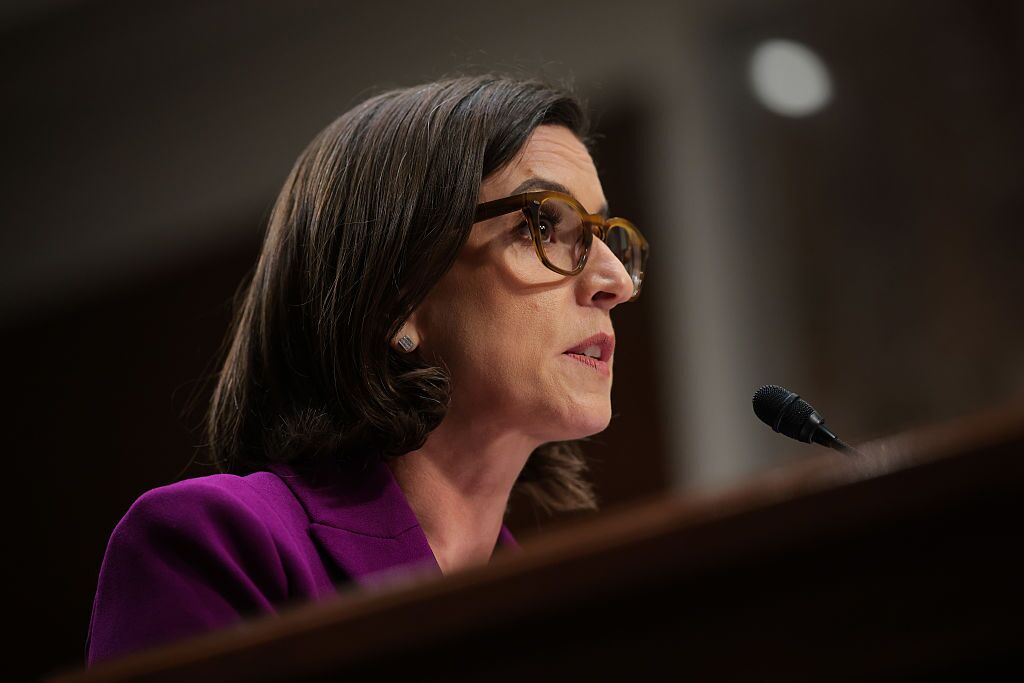
After being fired by the Trump Justice Department for pushing back against the reinstatement of known abuser Mel Gibson, a friend of Trump’s, gun rights, former U.S. pardon attorney Liz Oyer spoke publicly about political interference in the clemency process. Her whistleblowing exposed how authoritarianism corrodes justice systems from the inside out.
“Trump has discovered that pardons can serve as an inexhaustible supply of currency that he can print with his own hand and dispense as easily as signing a check. He is using the currency of pardons to amass power, wielding their possibility as a tool to command political loyalty.”
—Liz Oyer in The Atlantic
Survivors and Victims of Epstein, Turned Activists
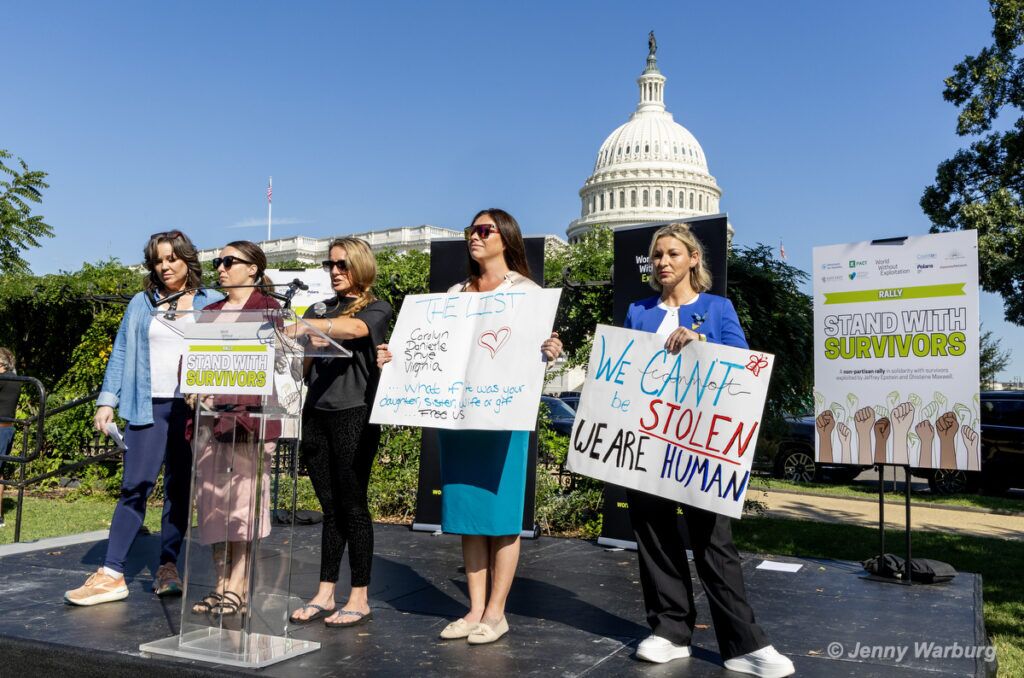
Survivors of Jeffrey Epstein’s abuse have transformed private trauma into public accountability—insisting that power, complicity and sexual violence be confronted honestly. Their advocacy has reshaped the narrative from spectacle to survivor-centered justice.
Ms. spoke with Epstein survivor Jess Michaels, part of a two-part series of On the Issues With Michele Goodwin.
The Women Who Testified Against South Carolina SB 323
Dozens of women came forward to oppose South Carolina’s SB 323—an almost total abortion ban that would criminalize patients, providers and even those who share information—despite the personal and political risks of doing so.
From named advocates like Amalia Luxardo of the Women’s Rights and Empowerment Network and Emily Hoegler of Americans United for Life, to South Carolina residents and patients whose names were never formally recorded, their testimony made clear that criminalization does not stop abortion—it only deepens harm, fear and surveillance.
Even antiabortion groups and South Carolina Republicans, including former state Sens. Penry Gustafson and Katrina Shealy, spoke out against the bill and its extremist provisions. Shealy called the bill “a dangerous piece of legislation that threatens the health and safety and fundamental rights of South Carolina’s women, girls and families,” pointing to the bill’s removal of exceptions for rape and incest survivors.
The proposed law would have been historic and unprecedented for its extreme antiabortion measures, especially its attacks on First Amendment free speech rights. SB 323 would have made it a felony for anyone to share information about how to get an abortion, outlawing certain websites and making anyone who assists someone else in getting an abortion—even by texting the link to an out-of-state clinic’s website or lending gas money—liable for 30 years in prison.
“If passed, this would relegate everyone who becomes pregnant to the control of the state. All who care about the preservation of the rights that Americans have valued over the years must reject this bill,” said Lynn Teague, vice president of the League of Women Voters of South Carolina.
Nasrin Sotoudeh and Reza Khandan
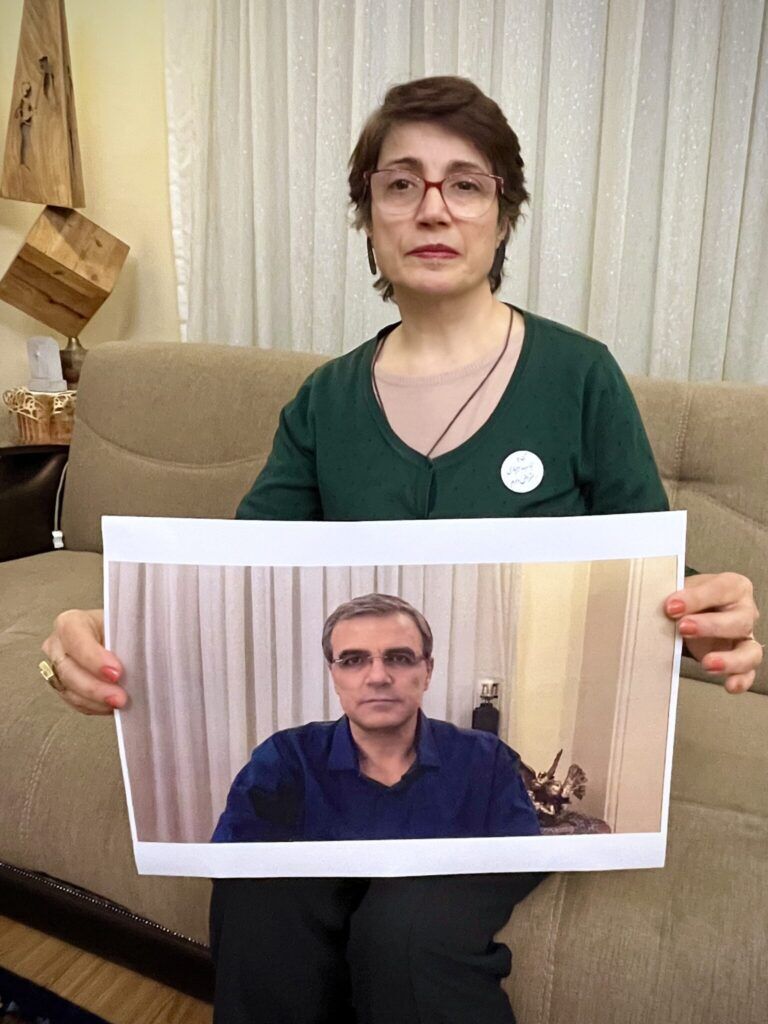
Nasrin Sotoudeh and Reza Khandan are married civil rights leaders advocating for gender equality and freedom of speech in Iran. Sotoudeh is an internationally-acclaimed human rights attorney, and her husband Khandan is a graphic designer and political activist. The couple specifically pushes against the nation’s mandatory hijab laws, used by the authoritarian regime to oppress women and keep them out of the public sphere.
Khandan has been imprisoned for over a year for his advocacy for human rights in Iran. Sotoudeh continues to advocate for his release.
Narges Mohammadi
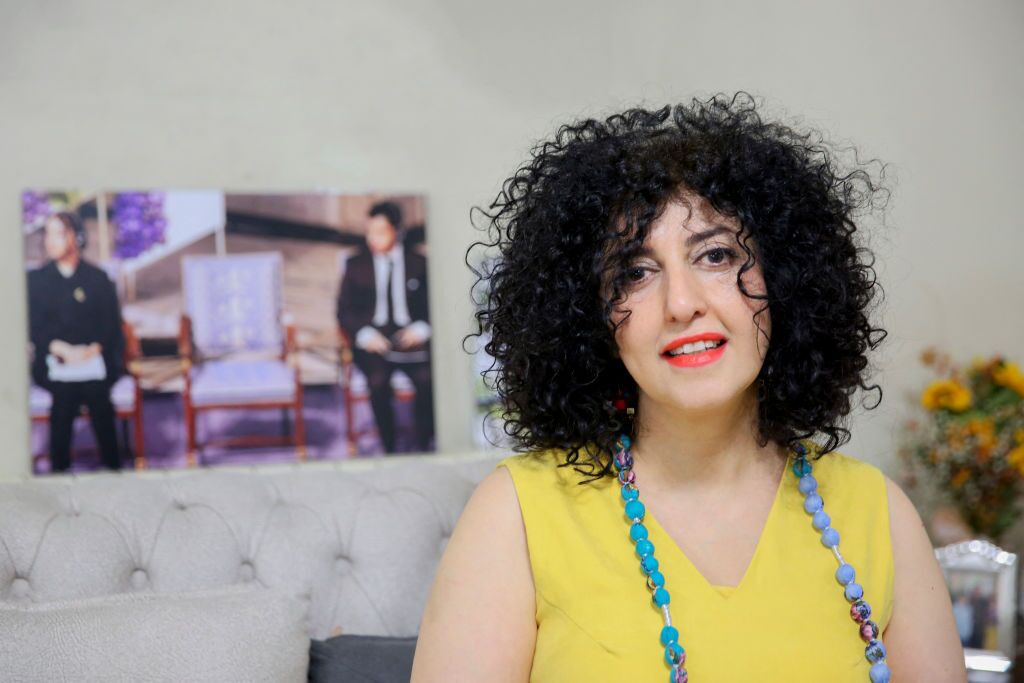
Nobel Peace Prize laureate Narges Mohammadi continues to lead Iran’s women-led resistance despite decades of imprisonment and renewed crackdowns. Mohammadi was detained again on Dec. 12; her current location and status are still unknown to both her family and the press.
“In and out of prison for the past two decades, she has been subject to prolonged solitary confinement and intense psychological torture, as well as denied access to medications, resulting in the worsening of already serious health conditions.”
—Karin Deutsch Karlekar, director for Writers at Risk at PEN America, in Ms.
OB-GYNs and Reproductive Healthcare Providers in Abortion Ban States
Across abortion-ban states, OB-GYNs and clinic staff continue providing care under threat of prosecution, violence and professional ruin. Their quiet persistence keeps reproductive healthcare alive where lawmakers have tried to erase it.
Telehealth Abortion Providers
As barriers to safe and accessible abortion continue to plague [nearly half?? how many] states—some conservative states, like Louisiana, are reclassifying abortion drugs mifepristone and misoprostol as controlled substances—long-distance providers of abortion pills are more essential than ever. Their bravery and unwavering support in providing medical treatment and psychological care is more important than ever.
The organization Plan C has a comprehensive guide to finding abortion pills on their website at www.plancpills.org. Select “Find Abortion Pills” and then select the state where you are located from the drop-down menu. The website is continually updated and has all the latest information on where to find abortion pills from anywhere in the U.S. Other organizations including Planned Parenthood, I Need An A and Hey Jane also provide telehealth access to abortion pills and support with finding local clinics.
Lily Allen
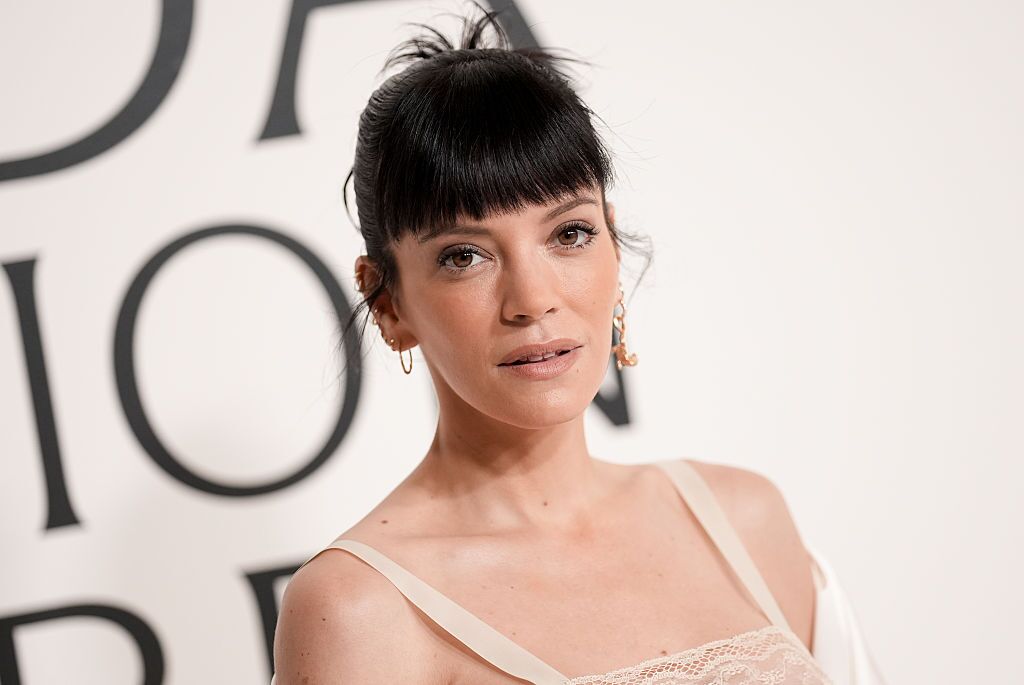
Lily Allen’s latest album West End Girl offered an unflinching account of addiction, motherhood, marriage and misogyny.
Beyoncé
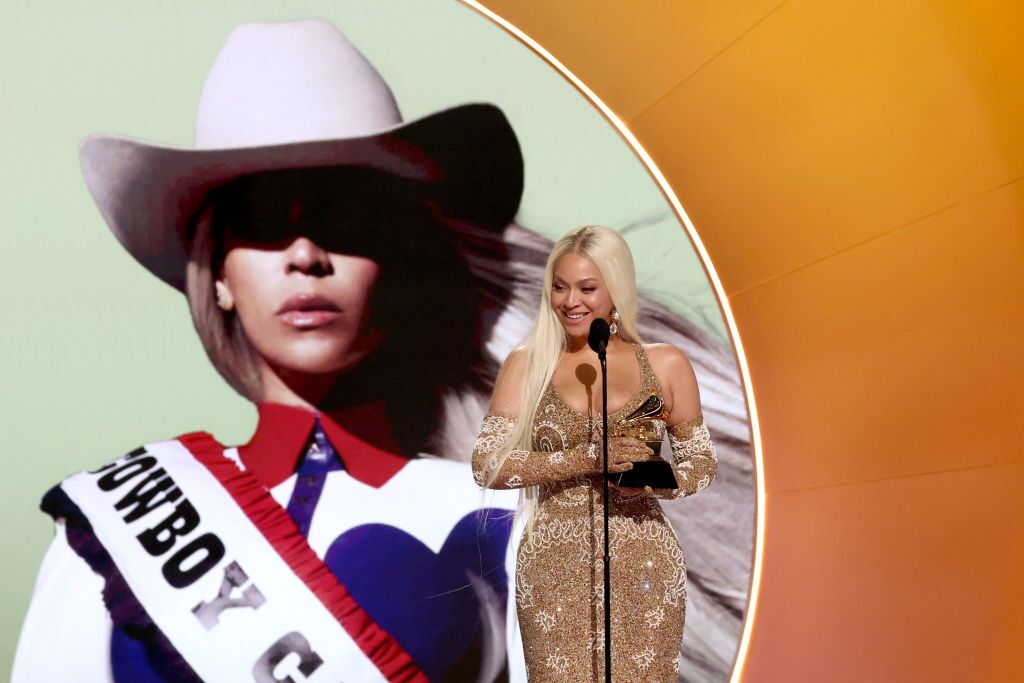
Beyoncé’s Cowboy Carter redefined American music history by centering Black Americans’ contributions to the genre of country music (and dance), reclaiming genres built on exclusion. The album underscored how cultural power can confront erasure and reshape national narratives.
Cowboy Carter shattered records in 2025, making Beyoncé the first Black woman to win Grammy’s Best Country Album and first Black woman this century to win Album of the Year. The album’s tour was no less groundbreaking—it broke the record for highest grossing country tour ever, all while becoming the shortest tour to gross over $400 million.
Taylor Swift
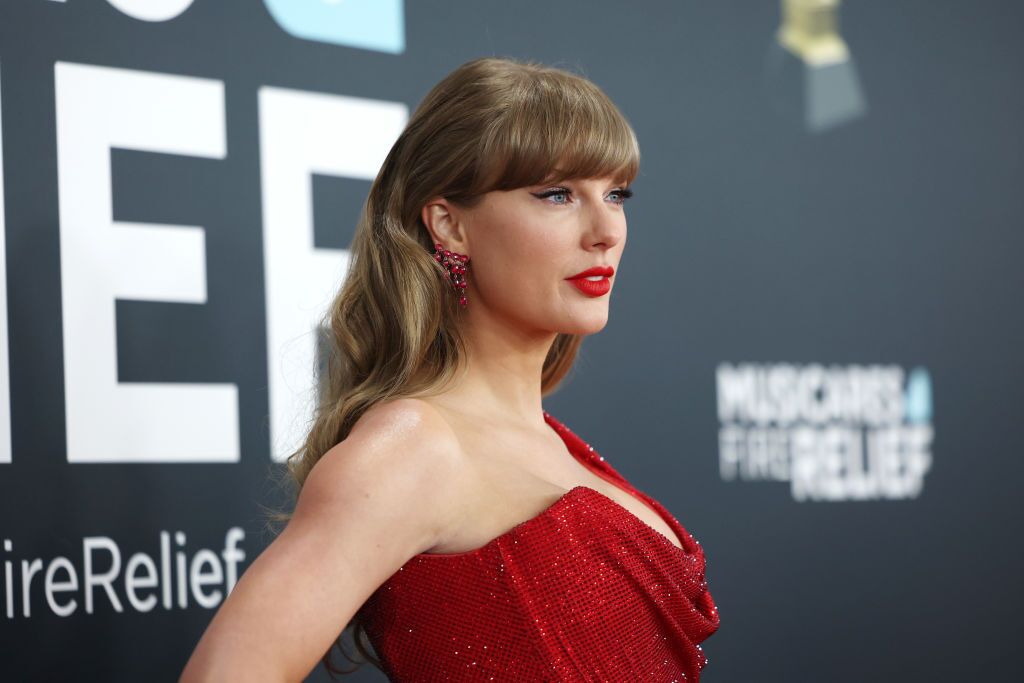
With The Life of a Showgirl, Taylor Swift shattered sales and streaming records while modeling unprecedented artistic and economic autonomy.
Professors Fighting Censorship and Funding Cuts From the Trump Administration
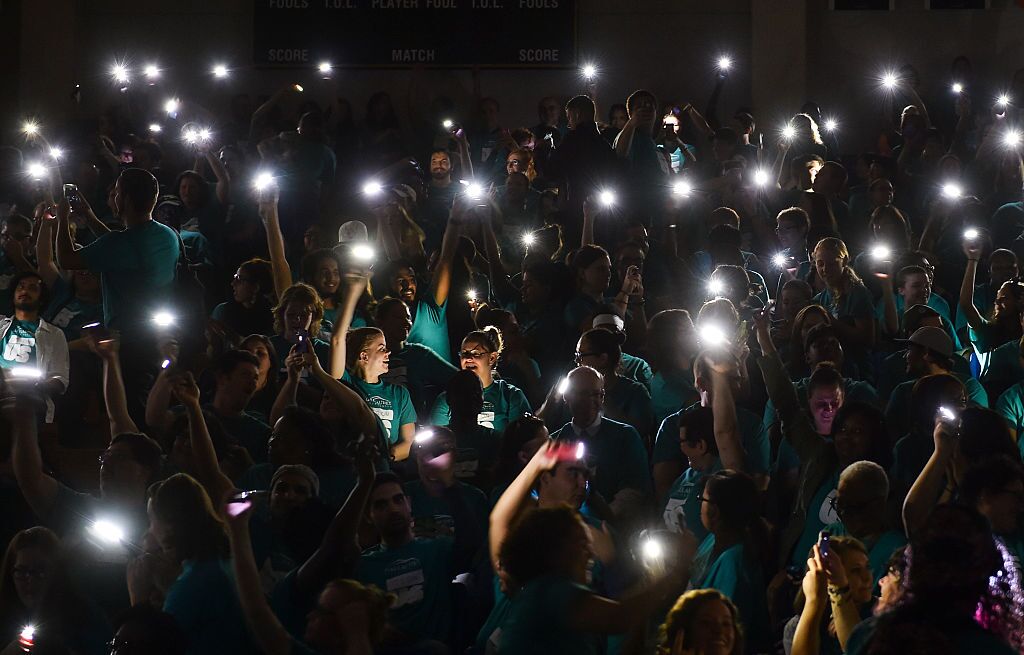
As the Trump administration escalated attacks on higher education—targeting gender studies programs, auditing curricula and retaliating against outspoken faculty—professors and educators across the country risked careers to defend academic freedom and feminist scholarship.
From professors forced out for their writing, like Emily Taylor, to Ms. scholars Carrie N. Baker, Michelle Tracy Berger, Christa Craven and Janell Hobson, who marshaled data to prove the civic and economic value of women’s and gender studies, to K–12 teachers Serene Williams and Kristin Kelly at Sacred Heart High School advocating for women’s history, these educators made clear that feminist education—from high school classrooms to graduate programs—is both a target of authoritarianism and a powerful form of resistance.
Greta Thunberg

In 2025, Greta Thunberg expanded her climate activism into direct humanitarian action—joining multiple Gaza flotillas to challenge Israel’s blockade and the international system that enables it, even as she was detained, deported and reportedly mistreated by Israeli forces. The 22-year-old has forcefully responded to Trump’s gendered attacks and rejecting calls to temper her “anger,” stating that the world needs “more angry women.”
“This is a mission to challenge the extremely violent, business-as-usual international system that is failing to uphold international law.”
Rep. Kelly Morrison
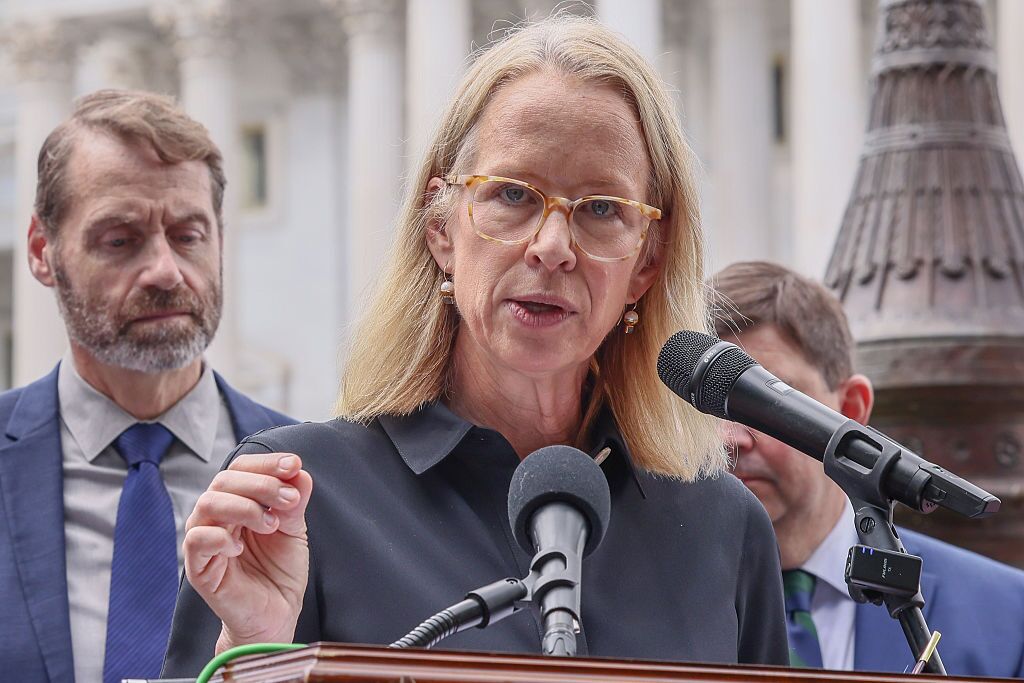
As the first and only OB-GYN serving in Congress, Rep. Kelly Morrison (D-Minn.) has brought clinical expertise and moral urgency to the national conversation on reproductive health—particularly in the wake of the murder of Minnesota lawmaker Melissa Hortman earlier this year. Morrison has continued to spotlight the reality of antiabortion violence while advancing evidence-based policy that treats reproductive healthcare as essential, not ideological, grounding congressional debates in the lived consequences for patients and providers alike.
Edda Fields-Black

Award-winning historian and winner of the 2025 Pulitzer Prize in History for Combee: Harriet Tubman, the Combahee River Raid, and Black Freedom during the Civil War, Edda Fields-Black brought to light one of the most extraordinary chapters of U.S. history: Harriet Tubman’s leadership in the 1863 Combahee River Raid that freed more than 750 enslaved people. Her book, grounded in original archival research and rooted in the Ms. article she first published as part of the Tubman 200 project (edited by Janell Hobson) exemplifies how rigorous scholarship and storytelling can reclaim erased histories and deepen our understanding of Black freedom struggles.
Global Women’s Rights Award Winners
Last month, Ms. and its nonprofit publisher Feminist Majority Foundation paid tribute at the Global Women’s Rights Awards to bold leaders operating at the intersection of media, the law and storytelling—recognizing these as the essential trifecta (or, in Contrarian co-founder and editor in chief Jen Rubin’s words, “the secret sauce”) for toppling authoritarianism. And, importantly, for fueling a feminist future.
Skye Perryman, president and CEO of Democracy Forward, was celebrated for the organization’s sweeping legal strategy to shut down the Trump administration’s efforts to undermine democracy, roll back civil liberties and abortion access, and dismantle vital federal programs, including food assistance.
The team behind the Broadway smash hit Liberation—playwright Bess Wohl, director Whitney White and Lisa Cronin Wohl, OG Ms. writer from the 1970s and mom to (and inspiration for) Bess—were recognized for the show’s service as both a work of art and a call to action.
The Contrarian co-founders Norm Eisen and Jennifer Rubin for the media outlet’s uniquely dynamic and independent journalism.
Thanks to Cat Ross and Ava Slocum for their editorial and research support.
Great Job Ms. Editors & the Team @ Ms. Magazine Source link for sharing this story.