

Reporting supported with a grant from The Water Desk at the University of Colorado Boulder.
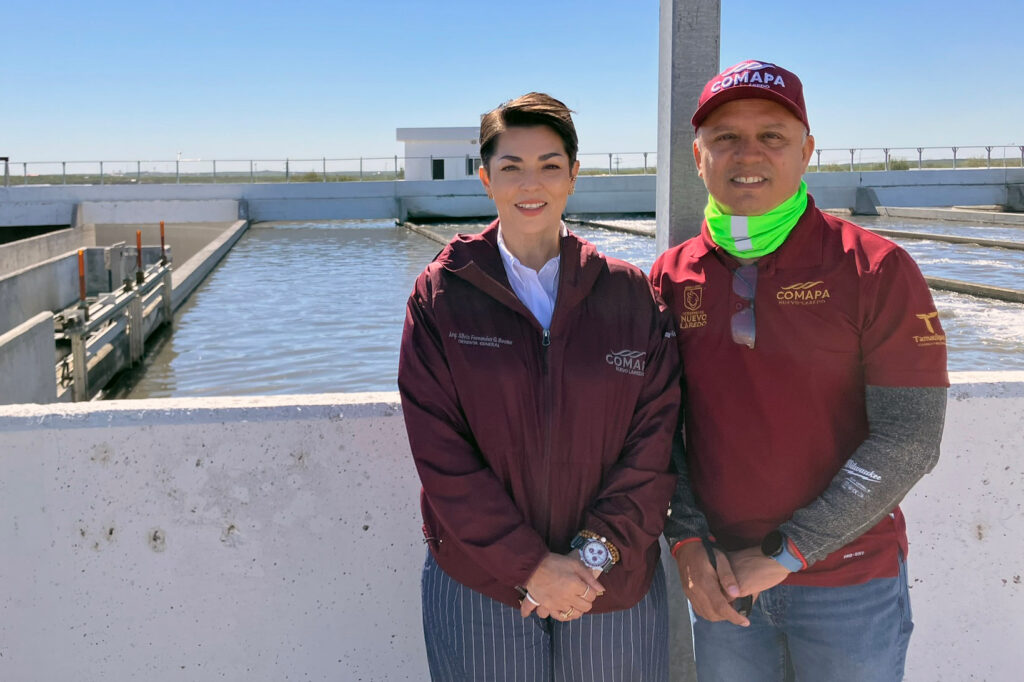
NUEVO LAREDO, Mexico—Silvia Fernández Gallardo Boone leaned over a stream of water rushing through a concrete chute at the city’s wastewater treatment plant.
“Smell it!” she said, beaming.
Odorless, treated wastewater flowed into the Coyote Arroyo, or creek, then the Rio Grande. Mere months earlier, more than 12 million gallons of raw sewage were leaking every day into the river and groundwater in Nuevo Laredo. After repairs to the treatment plant, to Fernández Gallardo’s delight, the flow of untreated wastewater has been significantly reduced.
“Being on the border, we really live our lives on both sides of the river,” Fernández Gallardo said, looking out at the treatment plant. “We all have a stake in taking care of the river.”
When Carmen Lilia Canturosas was elected mayor of Nuevo Laredo in 2021, deferred maintenance had debilitated the plant. To make matters worse, broken sewer lines were leaking wastewater onto city streets. Canturosas, re-elected in 2024, threw her support behind overhauling Nuevo Laredo’s wastewater and sewer system.
Fernández Gallardo, an architect by training, was appointed general manager of the Potable Water and Sanitation Commission (Comisión de Agua Potable y Alcantarillado), known by its Spanish acronym COMAPA. In 2023, COMAPA broke ground on an $80 million project, backed by U.S. and Mexican institutions, to repair the failing wastewater treatment plant and damaged sewer lines. The North American Development Bank (NADBank) issued the largest grant for wastewater improvements in its 30-year history.
Shared waterways like the Rio Grande have been sites of cooperation between the two countries, but also points of contention. Nuevo Laredo’s wastewater overhaul is the latest bet that the U.S. and Mexico can work together to improve water quality and the environment.
But the project is reaching fruition as tensions mount between the U.S. and Mexico under the second Trump presidency. Mexico once again has fallen short on its treaty commitment to share Rio Grande water with the United States. Meanwhile, Trump’s tariff demands have cast a shadow over trade hubs like Laredo-Nuevo Laredo.
Far from the policy disputes of Washington, D.C., officials like Fernández Gallardo are still counting on binational collaboration to yield tangible benefits for local residents.
“Rehabilitating the Rio Bravo doesn’t just mean improving local environmental conditions,” she wrote in a statement to Inside Climate News, using the Mexican name for the river. “It also represents an opportunity to move toward shared water security between Mexico and the United States.”
Monitoring Water Quality
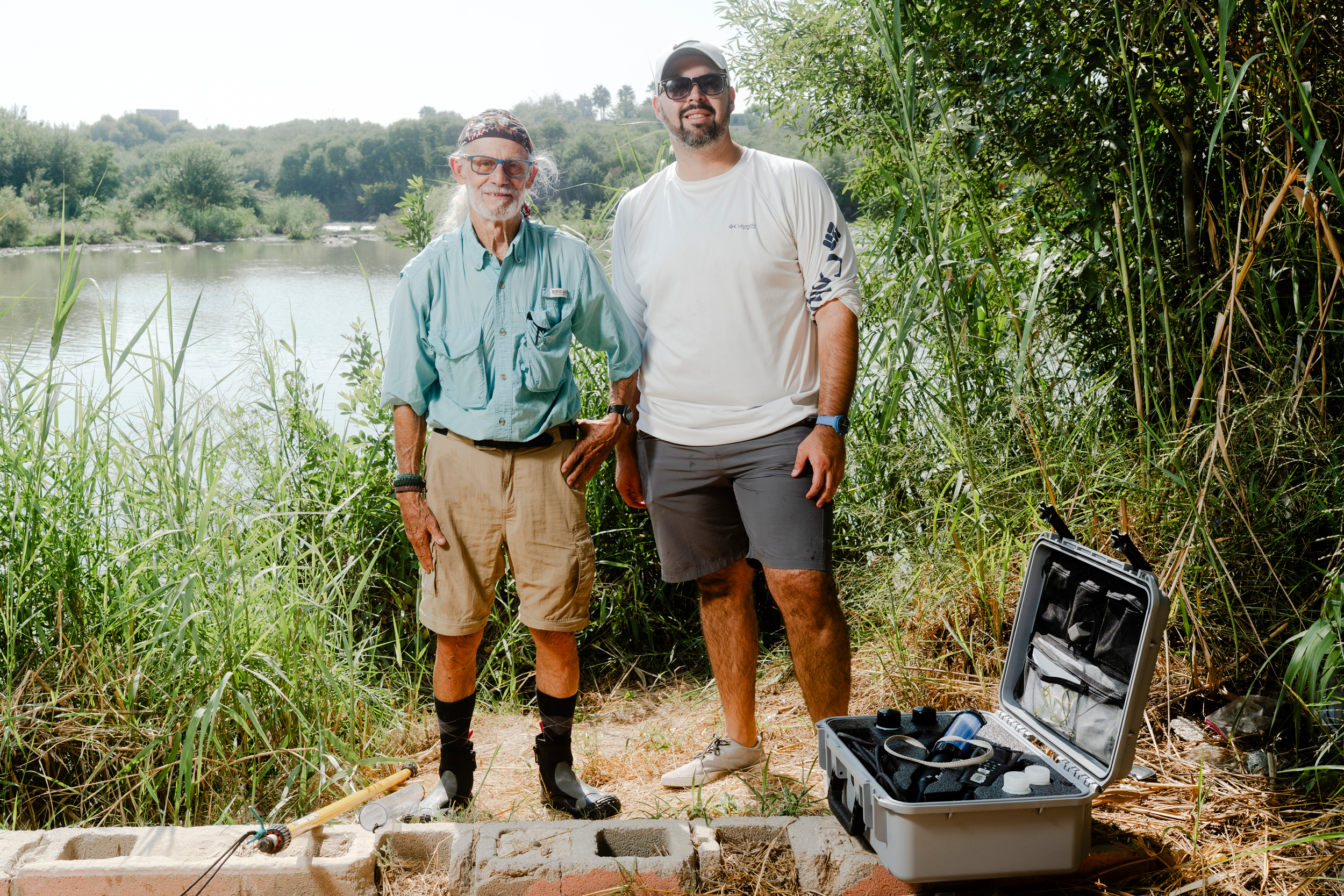
The day before Fernández Gallardo toured the plant, Martin Castro and Tom Vaughan were on the other side of the border, knee deep in the Rio Grande. Four Border Patrol officers peered out from an outcropping above the river and asked what they were doing.
Castro, watershed science director at the Rio Grande International Study Center, and Vaughan, a center co-founder and emeritus biology professor at Texas A&M International University in Laredo, calmly explained that they were taking water quality samples. A few minutes later, the officers left.
The pair were collecting samples to contribute to an extensive database on the river’s water quality, as they do every month.
On that late October day, Border Patrol and National Guard troops far outnumbered fishermen and other recreational visitors to the Rio Grande. It’s not only the law enforcement presence that makes environmental protection on the Rio Grande unique.
As an international river, the Rio Grande was initially excluded from the Texas Clean Rivers Program. The collaborative effort monitors and protects the state’s water resources. Vaughan was among those who advocated in the 1990s for the Rio Grande to be included.
The International Boundary and Water Commission (IBWC), a federal agency that enforces the border and water agreements, eventually took over water quality monitoring on the river. IBWC data from the Rio Grande now feeds into the Texas Commission on Environmental Quality’s Clean Rivers Program.
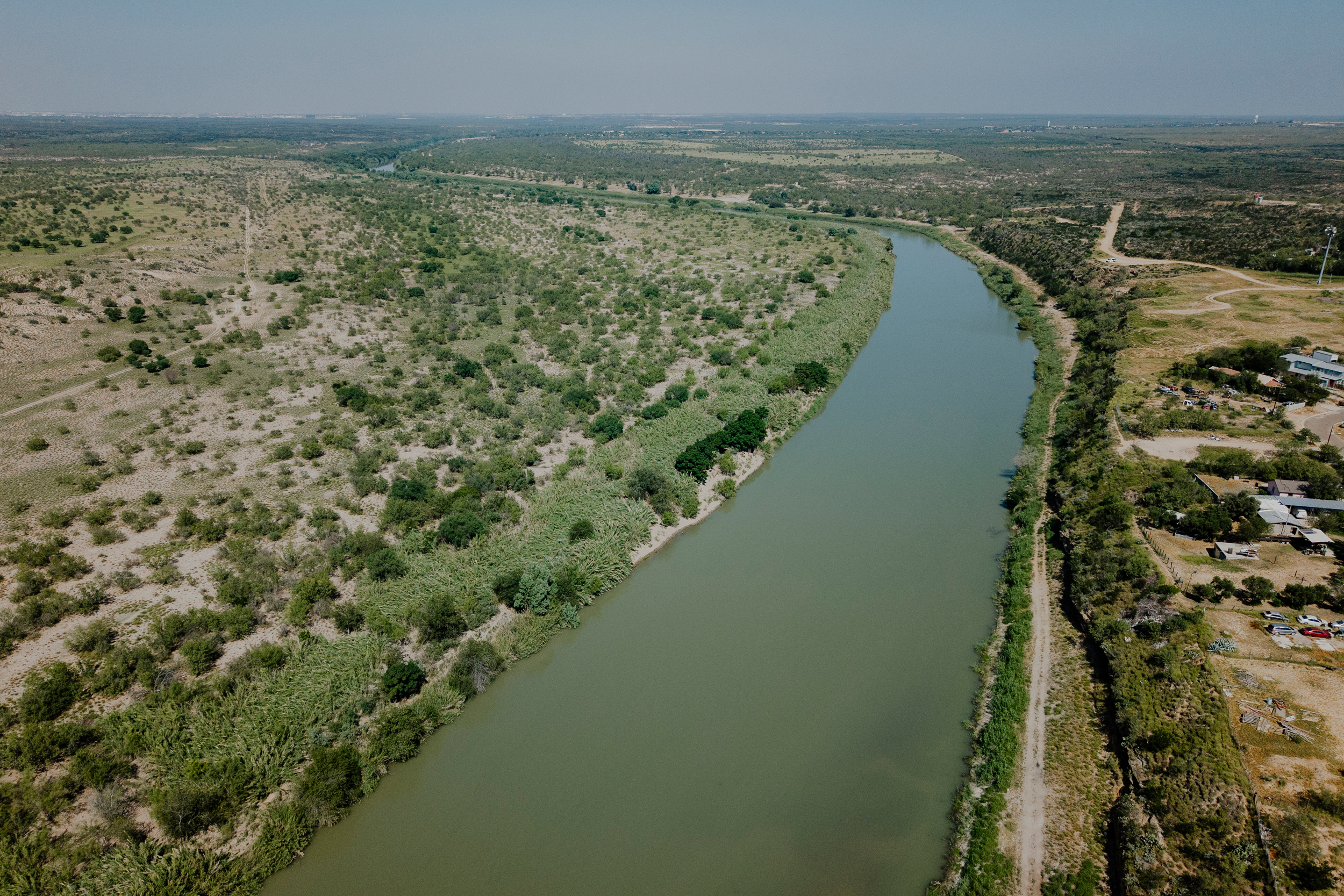
For more than 1,200 miles, the Rio Grande snakes between Texas and Mexico, crossing remote deserts and urban areas before reaching its delta at the Gulf of Mexico. IBWC partners with organizations like the Rio Grande study center to collect water samples at 119 stations. Monitoring at eight stations in El Paso was suspended in 2023 because of border security installations. IBWC spokesperson Frank Fisher said sampling has been re-established at all but three sites.
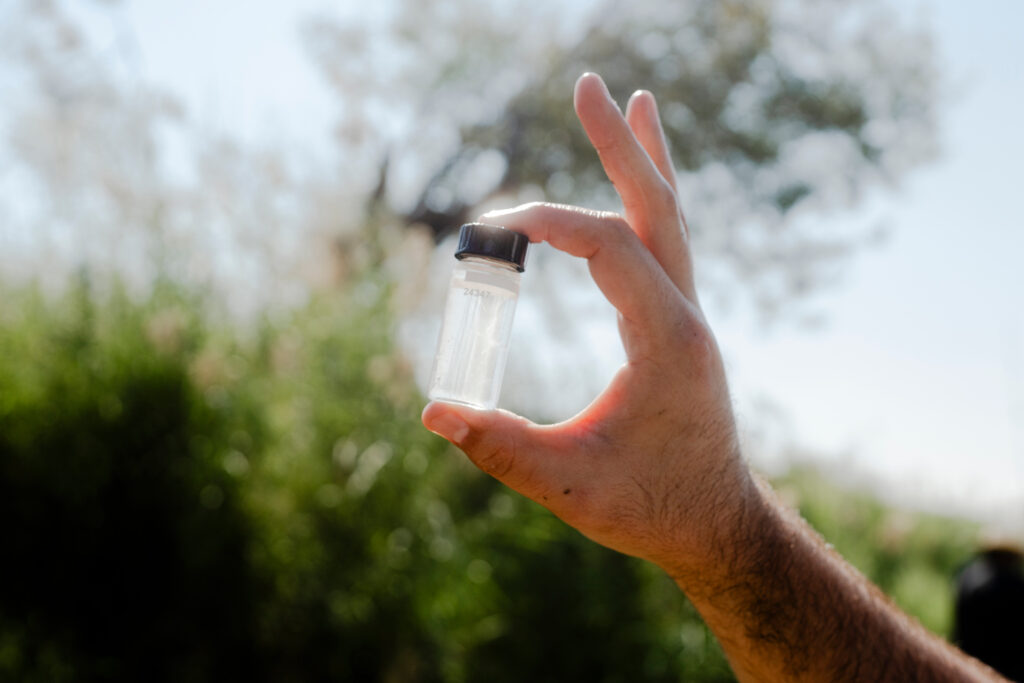
Castro and Vaughan collected samples to send to a certified laboratory. They record other measurements themselves, such as turbidity using a Secchi disk.
“Upriver, I would swim in it,” Vaughan said, referring to the Rio Grande upstream of the bend in the river that wraps around Laredo. “If I was really thirsty, I might drink it.”
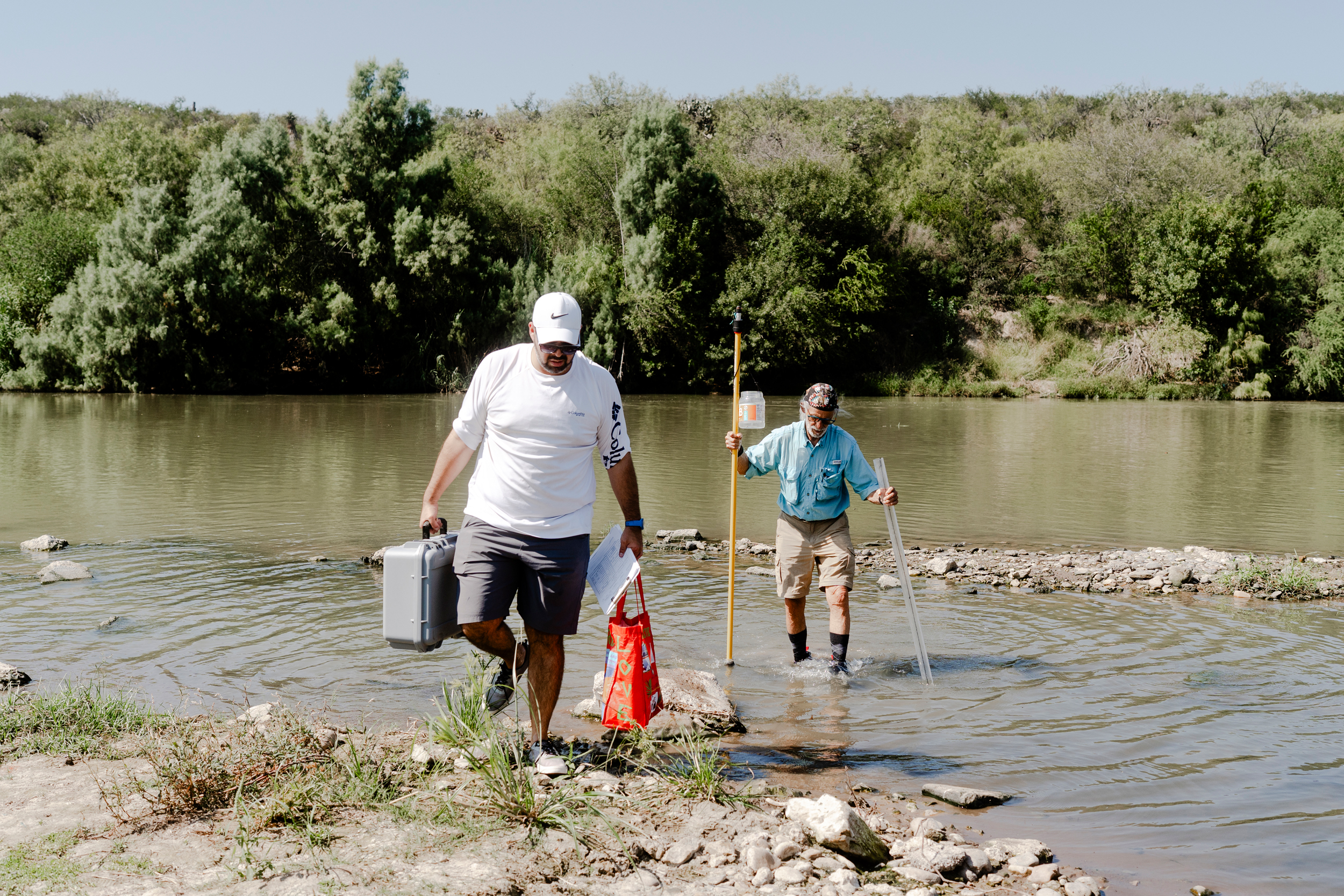
But he explained that sewage downstream of the city makes the water unsafe for swimming or other contact recreation. This part of the Rio Grande below the Amistad Reservoir, known as segment 2304, exceeds Texas standards for bacteria.
In this stretch of the river, the highest readings for E. coli, the indicator for bacteria, are downstream of Laredo and the wastewater discharges from Nuevo Laredo, according to IBWC’s 2024 Rio Grande summary report. At the Pipeline Crossing and El Cenizo sites, E. coli readings were 240,000 parts per 100 milliliters. That is nearly 2,000 times the state’s water quality standard of 126 parts.
The IBWC report warns of “serious health risks” and that the water is unsuitable for recreational activities or consumption. The report attributes the high bacteria levels to wastewater infrastructure allowing sewage to enter the river.
IBWC’s Fisher said bacteria levels are elevated in other parts of the river including in the urban areas of El Paso/Ciudad Juárez, Del Rio/Ciudad Acuña, Eagle Pass/Piedras Negras, and in Hidalgo County.
“TCEQ is committed to advancing collaboration among federal, state, and binational partners to improve water quality and resilience in the border region,” said Texas Commission on Environmental Quality spokesperson Victoria Cann.
Cann referenced the Lower Rio Grande Water Quality Initiative as one example of the agency’s efforts to improve water management. The initiative aims to “restore, protect and improve” water quality on the Lower Rio Grande downstream of Falcon Reservoir. The group recently completed an 18-month binational salinity study, according to Cann.
Cleaning Up the Rio Grande
It’s one thing to collect data on the river’s water quality. It’s another to act on that data. For decades, the U.S. and Mexico have debated how to improve the environment and sanitation along their nearly 2,000-mile border.
The 1944 water treaty between the two countries entrusted border sanitation issues to the IBWC. As new problems cropped up—like sewage flowing downhill from Mexico into the U.S.— new agreements, known as minutes, were added to the treaty. In 1989, the U.S. and Mexico partnered to build a wastewater treatment plant in Nuevo Laredo.
After the North American Free Trade Agreement (NAFTA) was adopted in 1994, Nuevo Laredo and other border cities grew rapidly. Nuevo Laredo’s wastewater treatment plant opened in 1996. Binational wastewater treatment plants were also built in Tijuana, Baja California and Nogales, Arizona.
In a side agreement to NAFTA, the two countries created the NADBank, a binational development bank to fund infrastructure on the border.
Nuevo Laredo’s population has almost doubled since 1994, to nearly half a million people. Laredo, with about 260,000 people, is now the busiest land port for international trade in the United States.
But ongoing maintenance of wastewater infrastructure became a sticking point. By the time NAFTA was renegotiated in 2020—and renamed the United States-Mexico-Canada Agreement—border wastewater treatment plants were in urgent need of repairs. Sewage flowing from Tijuana into Southern California became an international dispute.
Colorado State University emeritus political scientist Stephen Mumme, an expert on U.S.-Mexico relations, partially attributes maintenance problems to the “constant churn” in Mexican politics, in which local administrations change every three years.
Mexican cities also struggle to finance long-term infrastructure projects and collect monthly bills from ratepayers. Sanitation competes with other urgent public works in border cities buckling under rapid growth.
“The capacity to engage in the type of financing and planning that is often taken for granted in American cities is not yet fully realized in Mexican cities, even in border cities,” Mumme said.
Jesús Frausto Ortega, coordinator of the water management graduate program at Colegio de la Frontera Norte in Monterrey, Mexico, said that previous efforts to stop the flow of sewage in Nuevo Laredo were like paving over a pothole.
“You could fix one part, but there was no holistic solution,” said Frausto Ortega, who previously worked in Nuevo Laredo.
He said Mexican cities often lack political will to invest in sanitation infrastructure.
“Traditionally, officials don’t invest in projects that are underground,” he said. “[That’s because] the public doesn’t see the project and we don’t have reliable accountability mechanisms.”
COMAPA’s Fernández Gallardo said she heard this sentiment from other public officials.
“Why would you want to invest in sewer lines?” she remembers them asking. “That’s like burying money.”
Binational Investment
Fernández Gallardo and Canturosas, the mayor, persisted. They found support among U.S. officials, including then U.S. Ambassador Ken Salazar and then IBWC Commissioner Maria-Elena Giner. NADBank provided an initial $650,000 grant to develop plans for the wastewater treatment plant and collapsed sewer lines.
Support started to pour in. NADBank committed $22 million from the Environmental Protection Agency’s Border Environment Infrastructure Fund. Mexican agencies, including COMAPA, committed another $53 million. The IBWC pitched in $2 million, and a commercial loan of $6 million rounded out the budget.
IBWC’s Fisher said the agency’s contribution came “as part of a long-standing practice to share the cost of extraordinary maintenance.” He said the funds were used to purchase six aerators needed for the biological process at the plant.
NADBank Managing Director John Beckham said that the significant commitments from both countries set the effort apart.
“Those are unique features of this project that are replicable,” he said. “We’re proud of it. We think it’s something that can help us in other parts of the river.”
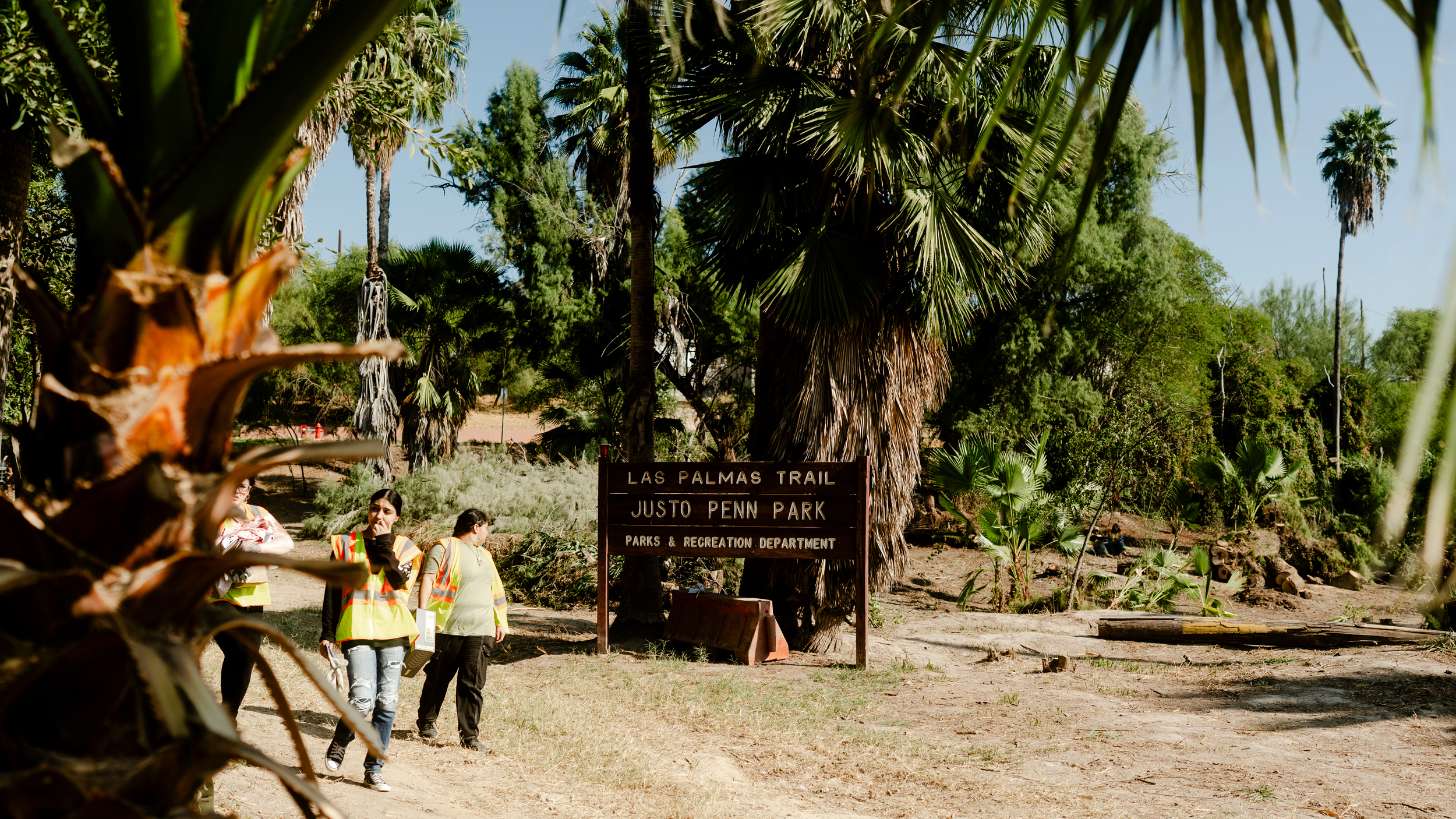
Fernández Gallardo estimated in late October that the wastewater treatment plant’s rehabilitation was 80 percent complete. She said that sewage was still being discharged at 10 locations in the city, down from 27.
“You’re investing in a public good,” she said. “These are projects that you don’t see, but you feel the difference in the city.”
Fernández Gallardo acknowledged that COMAPA must prevent deferred maintenance from once again hobbling the plant. She said that going forward, 4 percent of funds from water bills will be designated for maintenance.
“[We have to] ensure that these plants can be maintained over time …,” Beckham said. “To avoid cycles of every 25 years where we have to lay out $80 million.”
Martin Castro of the Rio Grande International Study Center said the upgrades are a “meaningful milestone.”
“They underscore how urgently the river needs sustained infrastructure investment,” he said. “Continued investment and binational cooperation are essential to protect water quality for both communities.”
A Changing Political—and Environmental—Climate
While Nuevo Laredo is making strides, extreme drought and climate change are testing the fragile balance on the binational river. The Rio Grande provides drinking water for over 6 million people in the United States and Mexico. Farmers from Colorado to the Gulf of Mexico rely on it to irrigate their crops.
But experts warn that current water consumption levels cannot be sustained. The Amistad Reservoir, upstream of Laredo, hit historic lows during July 2024. Climate change will further reduce the river’s flow.
A November 2025 study led by the World Wildlife Fund found that 52 percent of water consumption in the Rio Grande Basin is unsustainable, causing depletion of reservoirs, aquifers and river flows. American Rivers named the Lower Rio Grande the fifth most endangered river in the United States this year.
This story is funded by readers like you.
Our nonprofit newsroom provides award-winning climate coverage free of charge and advertising. We rely on donations from readers like you to keep going. Please donate now to support our work.
The Rio Grande is the only source of water for Nuevo Laredo and Laredo. But sometimes the river drops so low that the pumps at the water treatment plant struggle to draw in water, Fernández Gallardo said. She touted COMAPA’s purple pipe program, which diverts treated wastewater for outdoor irrigation and industrial use, but said more must be done to conserve and re-use water.
“Without the river, we don’t have the two Laredos,” she said.
Fernández Gallardo said she would like Nuevo Laredo to directly re-use treated wastewater for domestic supply, known as direct potable reuse.
“Treated wastewater is the only water resource whose supply will always go up as the population increases,” she wrote in a statement. “[Direct reuse] would redefine the future of water on the border.”
Another Rio Grande city, El Paso, is rolling out this technology. But Fernández Gallardo knows the municipal administration’s time to execute projects is running out.
Escalating tensions between the United States and Mexico are felt locally. While Mexico increased Rio Grande water deliveries to the United States in the past year, the Trump administration has threatened Mexico with additional tariffs and even sanctions if the nation does not deliver more to Texas. Meanwhile, Mexican officials have attributed the shortfall to the ongoing drought.
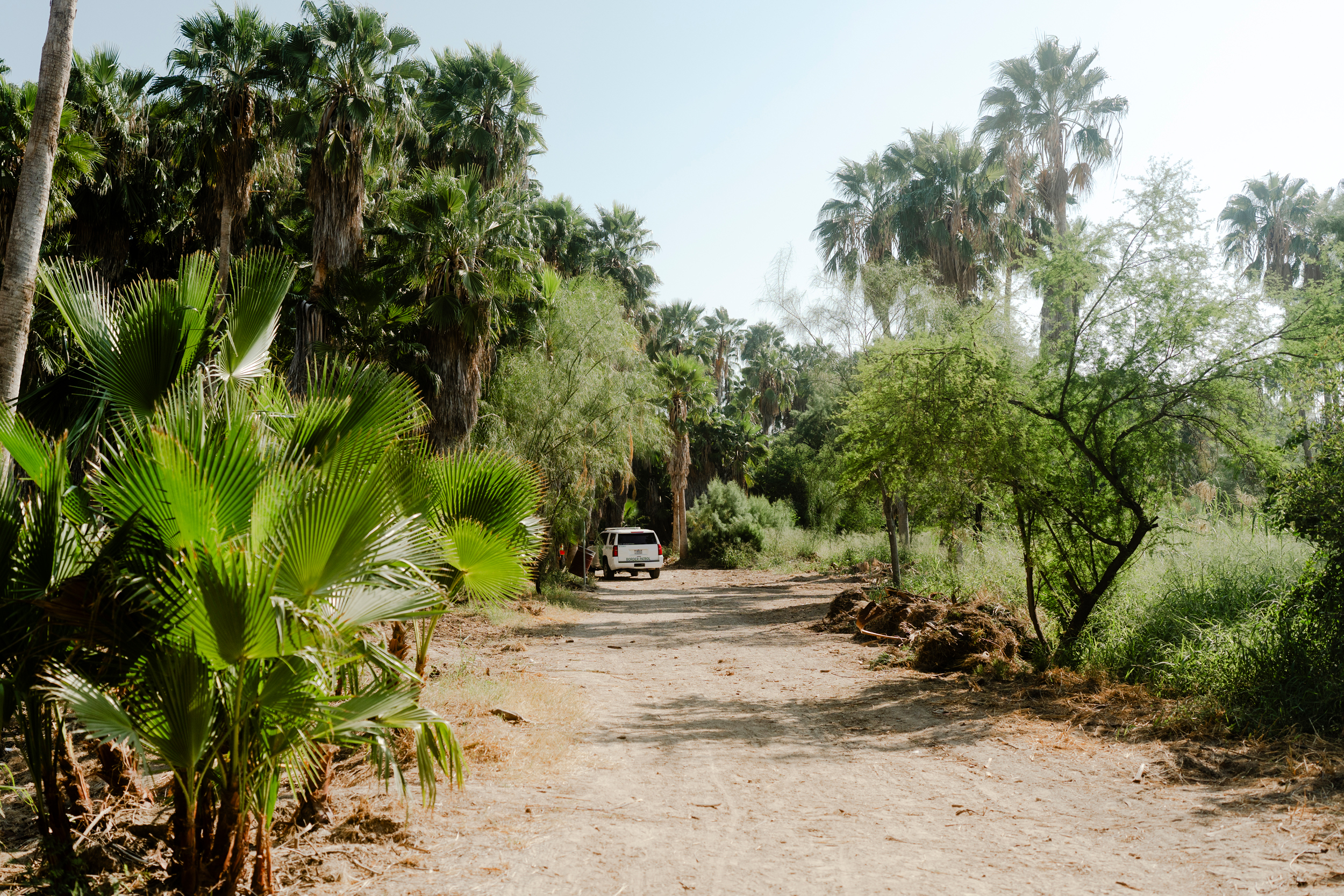
The Trump administration quickly replaced several of the U.S. officials essential to the Nuevo Laredo project, including Salazar, the ambassador, and Giner, the well-liked IBWC commissioner.
The Trump administration is also moving forward with plans for a border wall through Laredo, which local organizations, including the Rio Grande International Study Center, oppose.
Water quality woes on the Rio Grande have attracted little national attention. But EPA administrator Lee Zeldin has pressured Mexico to stop the sewage flows from Tijuana. The EPA has struck agreements with Mexico to accelerate the timeline to repair the Tijuana treatment plant.
A State Department spokesperson said that the U.S. and Mexico have “launched a new era of cooperation characterized by swift and decisive actions.”
“No other bilateral relationship has a greater effect on the daily lives of the American people and President Trump and his cabinet are committed to improving the welfare, health, and prosperity of our border communities,” the spokesperson said.
The EPA also funds NADBank’s grants for wastewater infrastructure on the border. Congress has not passed a full federal budget for 2026. Nonetheless, the spending bills for environment and natural resource agencies that passed through committee maintained support for the EPA’s border wastewater programs. The Senate bill would appropriate $36 million and the House bill $45 million for border wastewater projects, comparable to recent years.
CSU’s Mumme said that the Trump administration’s increasing hostility toward Mexico could backfire.
“Trump is used to bullying his way. But that only goes so far,” he said. “Mexico does have leverage.”
Mumme said the history of cooperation shows that the U.S. and Mexico can achieve common goals, on issues from wastewater to water scarcity.
“There’s no substitute to cooperating and finding mutually beneficial solutions,” he said.
About This Story
Perhaps you noticed: This story, like all the news we publish, is free to read. That’s because Inside Climate News is a 501c3 nonprofit organization. We do not charge a subscription fee, lock our news behind a paywall, or clutter our website with ads. We make our news on climate and the environment freely available to you and anyone who wants it.
That’s not all. We also share our news for free with scores of other media organizations around the country. Many of them can’t afford to do environmental journalism of their own. We’ve built bureaus from coast to coast to report local stories, collaborate with local newsrooms and co-publish articles so that this vital work is shared as widely as possible.
Two of us launched ICN in 2007. Six years later we earned a Pulitzer Prize for National Reporting, and now we run the oldest and largest dedicated climate newsroom in the nation. We tell the story in all its complexity. We hold polluters accountable. We expose environmental injustice. We debunk misinformation. We scrutinize solutions and inspire action.
Donations from readers like you fund every aspect of what we do. If you don’t already, will you support our ongoing work, our reporting on the biggest crisis facing our planet, and help us reach even more readers in more places?
Please take a moment to make a tax-deductible donation. Every one of them makes a difference.
Thank you,

Reporter, El Paso, Texas
Martha Pskowski covers climate change and the environment in Texas from her base in El Paso. She was previously an environmental reporter at the El Paso Times. She began her career as a freelance journalist in Mexico, reporting for outlets including The Guardian and Yale E360. Martha has a B.A. in Environmental Studies from Hampshire College and a master’s degree in Journalism and Latin American Studies from New York University. She is a former Fulbright research fellow in Mexico. Martha can be reached on Signal at psskow.33.
Great Job By Martha Pskowski, photos by Brenda Bazán & the Team @ Inside Climate News Source link for sharing this story.