
The University of Alabama waved a white flag well before a fight with the federal government had begun in earnest.
Originally published by The Contrarian.
I recently discovered two glossy magazines published by and for young people: Alice, which focuses on fashion, beauty, personal health, wellness and lifestyle; and Nineteen Fifty-Six, which brings a Black cultural lens to coverage of news, style and the arts. Check out the respective websites for an array of smart, slick, engaging articles and photos that tackle everything from dressing for success to managing work-life balance.
Both are student-run publications housed at the University of Alabama. And on any other day, they would make one think the future of journalism look very bright indeed.
… except that the sole reason I found these magazines at all is because they are now officially suspended.
Last week, campus officials announced their permanent shuttering. Yet another casualty of the Trump administration’s attacks on free speech and public higher education—all in the name of stamping out supposed diversity, equity and inclusion.
In this case, the university waved a white flag well before a fight with the federal government had begun in earnest, claiming no choice but to defund the magazines to comply with the July memo issued by the U.S. Department of Justice. A university representative argued the magazines could be considered in violation of federal guidelines on “unlawful proxies”—that is, using “ostensibly neutral criteria that function as substitutes for explicit consideration of race, sex, or other protected characteristics” (a.k.a. having a target audience).
According to local news reporting, the suspension comes on the heels of closure of other University of Alabama student hubs and organizations targeted by recently passed state anti-DEI laws.
Gabrielle Gunter, editor-in-chief of Alice, posted a public letter expressing her dismay for the loss of the medium—one in which “all creative voices can flourish.” (Alice’s latest issue, published last month to commemorate its 10th anniversary, is presciently entitled “Resilience,” and can be viewed here.)
Kendal Wright, editor-in-chief of Nineteen Fifty-Six—named for the year the first Black student, Autherine Lucy Foster, was permitted to enroll at the university—told the university newspaper that the magazine “cultivated incredibly talented and budding Black student journalists and brought our community on campus together in such a beautiful way.” Both emphasized their respective publications have always been open to all students to read, to serve on staff, and to contribute to.
I must admit I am absorbing much of their shock and anguish, given my own professional commitment to nonprofit movement journalism and student leadership. In particular, I’ve been reflecting on the legacy that is Ms. magazine, a game-changing hub for feminist storytelling since its founding by Gloria Steinem and others more than 50 years ago.
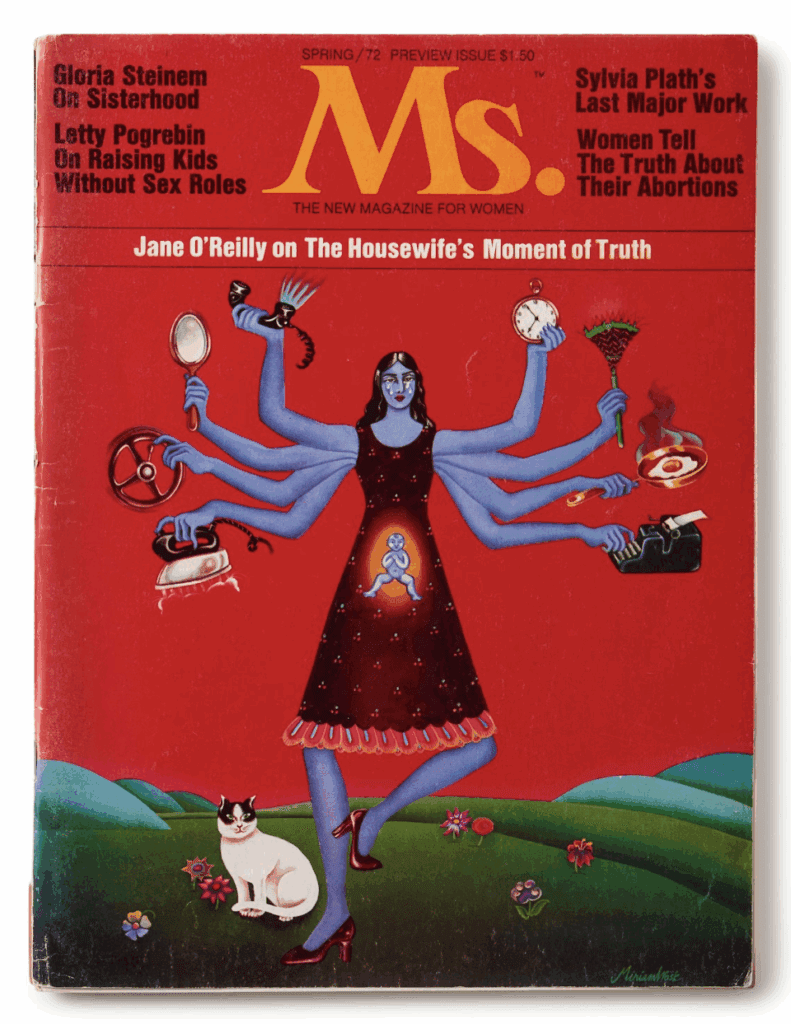
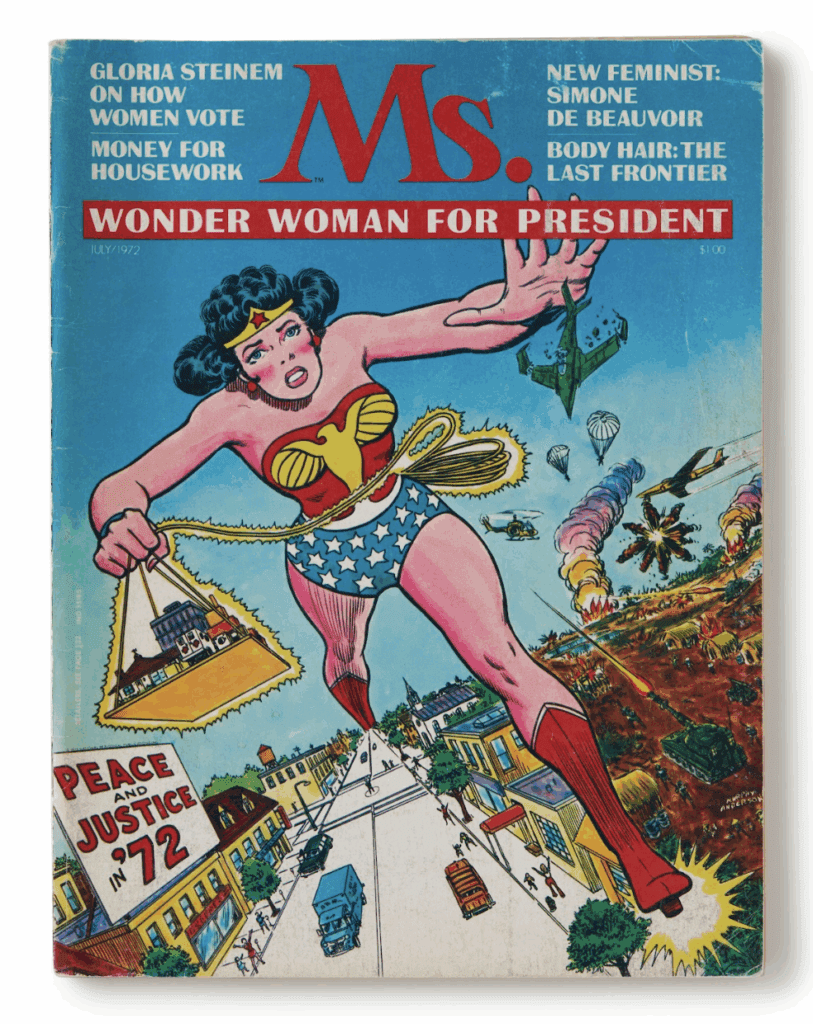
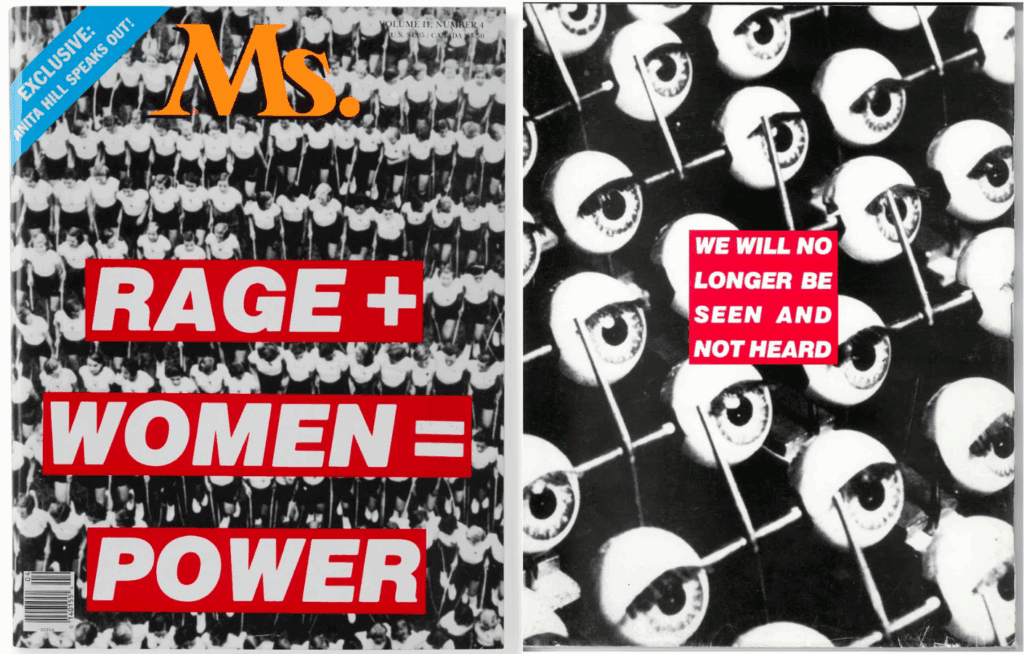
I started reading Ms. as a kid in the 1970s, after discovering it in my local library. Drawn to its bold, often jarring covers, I’d devour it front-to-back in a single sitting. Ms. then and today is designed to address the gap in reporting that failed to center women’s voices and experiences, whether in the news or other magazines. (Please don’t get me started on Conde Nast’s move to dismantle Teen Vogue now happening in real time as well.)
Even as a young Ms. reader, I knew that having a target audience was not code for “off limits” or even “other.” If that was the case, why would I ever pick up a copy of Cosmo or Essence or Sports Illustrated? (All of which I still read.) Magazines expand our ideas and perspective and vision—and this is hardly DEI. It is the bedrock of popular media. Period.
Leaders of tomorrow are getting their training on campuses today—in journalism and activism—and, based on the immediate response at University of Alabama, I dare say there is cause for optimism. An alumni/ae group launched a $25,000 campaign—funding that will enable both magazines to independently publish for the spring 2026 semester (donations can be tracked here; as of Dec. 9, they are 80 percent of the way to their goal)—and issued the following statement:
“We have to build infrastructure that allows us to not only survive but thrive at a moment when so many voices are being stifled because of government and university overreach. This is a national issue, but the work starts in our own community.”
A petition to reinstate both magazines has also garnered nearly 3,000 signatures and a roster of searing comments from students, alumni/ae and parents alike. As one posted to it:
“This is only the beginning. If there was a time to speak up, the best time was yesterday, and the next best time is right now.”
Great Job Jennifer Weiss-Wolf & the Team @ Ms. Magazine Source link for sharing this story.