Homeland Security Secretary Kristi Noem clashed sharply with CBS News anchor Margaret Brennan during a tense “Face the Nation” interview on Sunday, bristling at questions about immigration enforcement data and snapping when Brennan referred to a federal agent by name in connection with the fatal shooting of Renee Good.
The exchange, which aired as protests and scrutiny intensified around Immigration and Customs Enforcement operations in Minnesota, drew swift backlash online and renewed questions about transparency, accountability and the administration’s handling of the case.
Donald Trump’s Mar-a-lago party went viral after social media users noticed the women shared an eerily similar Mar-a-lago Face aesthetic, sparking widespread mockery. (Photo by Alex Brandon-Pool/Getty Images)
The most heated moment came when Brennan asked about the condition of ICE agent Jonathan Ross, who fired the shots that killed Good on Jan. 7.
Noem cut her off mid-question. “Don’t say his name, for heaven’s sakes,” Noem said. “We shouldn’t have people continue to dox law enforcement.” When Brennan pointed out that Ross’ identity was already public, Noem doubled down. “I know but that doesn’t mean it should continue to be said,” she replied, adding that Ross and his family had faced attacks, without specifying by whom.
Ross has been repeatedly identified as the agent who shot into Good’s vehicle following a verbal confrontation involving another agent. Police officers involved in shootings are typically named as part of public records and court proceedings, but administration officials have framed the public release of names as “doxxing,” particularly amid anti-ICE protests.
The exchange capped a combative interview in which Noem accused Brennan and CBS News of misleading the public.
Pressed on the scope of the administration’s immigration crackdown in Minnesota, Noem said the deployment of nearly 3,000 federal agents would continue until “all the dangerous people are picked up.” She blamed former President Joe Biden’s border policies for what she described as an influx of “up to 20 million people unvetted into this country.”
When Brennan asked for a breakdown of how many detainees had committed violent crimes versus civil immigration violations, Noem claimed that every person detained had committed a crime and that 70 percent had been charged with or convicted of violent offenses.
Brennan pushed back, citing DHS’s own data, showing that only 47 percent had criminal convictions.
“It’s not 70%,” Brennan said.
“Yes, it is. It absolutely is, Margaret,” Noem insisted, adding: “You keep changing your percentage. You pick and choose what numbers you think work … no matter how much you guys keep lying and don’t tell the public the truth.”
Brennan later cited polling showing a majority of Americans believe the shooting of Good was unjustified and that the administration’s response was unfair.
Noem rejected those findings, insisting Good had “weaponized her car” and that the agent acted according to his training. “Everybody can watch the videos and see that,” she said, even though the circumstances of the shooting remain disputed.
As Brennan attempted to pin down whether Ross had been placed on administrative leave or was under investigation, Noem repeatedly deflected.
“I’m not going to talk about his medical records,” she said when asked about his condition, even though administration officials had recently claimed Ross suffered internal bleeding after being struck by Good’s SUV. Asked directly whether there was any review of the agent’s actions, Noem eventually answered, “There always is,” while attacking Minnesota Gov. Tim Walz’s credibility and accusing state leaders of tolerating fraud and disorder.
The interview sparked a wave of reaction on social media, much of it focused on Noem’s accusation that Brennan had endangered the agent by saying his name.
Critics accused Noem of hypocrisy and deflection.
“She’s the one who doxxed him originally by pointing out a previous incident. She’s so unserious and blatantly stupid,” one person wrote. Another replied, “Thank you!! We wouldn’t know who he is if it wasn’t for her. She’s a complete moron.”
Others were angrier, questioning Noem’s immediate defense of the agent after the shooting. “Someone needs to threaten her lying a*s!! Did you do a thoughtful investigation when you immediately called Ms. [Good] a damn domestic terrorist right after she was murdered?” one comment read. Another accused the administration of shielding Ross: “Meanwhile, by hiding him, she is an accessory to murder.”
Some observers framed Noem’s performance as part of a broader pattern under President Trump.
“Because that’s the playbook. Just say anything is anything and their supporters accept that as reality,” one commenter wrote. Another agreed, saying, “Yes this is spot on. If their idols tell them to be aggrieved, they will be outraged no matter the absurdity. This age of alternate facts has no guardrails to keep people tethered to, or even interested in reality.”
Criticism also landed on CBS News, with some arguing Brennan should have pressed harder. “Why bother having her on if you’re not going to stop the gaslighting?” one viewer asked. Another added: “100%. Get in front of the message, don’t repeat it. CBS is now an arm of MAGA.”
The interview unfolded against a volatile backdrop in Minneapolis, where federal immigration raids and the killing of Good, a 37-year-old mother of three, have fueled more than a week of protests and clashes between demonstrators and federal law enforcement.
Noem repeatedly portrayed Minneapolis as uniquely dangerous, claiming ICE agents there face organized and “funded” protesters and levels of violence not seen in other cities. She dismissed calls to expand crowd-control and de-escalation training for ICE agents, insisting they are already “highly trained” and rejecting criticism from local leaders.
Brennan cited multiple incidents, including the detention of a U.S. citizen on her way to a medical appointment and a family with six children who said they were tear-gassed during an ICE operation. Noem blamed protesters for those encounters and defended the use of chemical agents despite a recent federal court order limiting their use.
By the end of the interview, little new information emerged about the investigation into Good’s death or Ross’s medical status. What did come through clearly was the administration’s posture: an aggressive defense of federal agents, an insistence that critics and the media are distorting the facts, and a growing willingness to frame routine questions as personal or physical attacks.
Great Job A.L. Lee & the Team @ Atlanta Black Star Source link for sharing this story.
U.S. stock futures dropped late Monday after global equities sold off as President Donald Trump launches a trade war against NATO allies over his Greenland ambitions.
Futures tied to the Dow Jones industrial average sank 401 points, or 0.81%. S&P 500 futures were down 0.91%, and Nasdaq futures sank 1.13%.
Markets in the U.S. were closed in observance of the Martin Luther King Jr. Day holiday. Earlier, the dollar dropped as the safe haven status of U.S. assets was in doubt, while stocks in Europe and Asia largely retreated.
On Saturday, Trump said Denmark, Norway, Sweden, France, Germany, the United Kingdom, the Netherlands, and Finland will be hit with a 10% tariff starting on Feb. 1 that will rise to 25% on June 1, until a “Deal is reached for the Complete and Total purchase of Greenland.”
The announcement came after those countries sent troops to Greenland last week, ostensibly for training purposes, at the request of Denmark. But late Sunday, a message from Trump to European officials emerged that linked his insistence on taking over Greenland to his failure to be award the Nobel Peace Prize.
The geopolitical impact of Trump’s new tariffs against Europe could jeopardize the trans-Atlantic alliance and threaten Ukraine’s defense against Russia.
But Wall Street analysts were more optimistic on the near-term risk to financial markets, seeing Trump’s move as a negotiating tactic meant to extract concessions.
Michael Brown, senior research strategist at Pepperstone, described the gambit as “escalate to de-escalate” and pointed out that the timing of his tariff announcement ahead of his appearance at the Davos World Economic Forum this week is likely not a coincidence.
“I’ll leave others to question the merits of that approach, and potential longer-run geopolitical fallout from it, but for markets such a scenario likely means some near-term choppiness as headline noise becomes deafening, before a relief rally in due course when another ‘TACO’ moment arrives,” he said in a note on Monday, referring to the “Trump always chickens out” trade.
Similarly, Jonas Goltermann, deputy chief markets economist at Capital Economics, also said “cooler heads will prevail” and downplayed the odds that markets are headed for a repeat of last year’s tariff chaos.
In a note Monday, he said investors have learned to be skeptical about all of Trump’s threats, adding that the U.S. economy remains healthy and markets retain key risk buffers.
“Given their deep economic and financial ties, both the US and Europe have the ability to impose significant pain on each other, but only at great cost to themselves,” Goltermann added. “As such, the more likely outcome, in our view, is that both sides recognize that a major escalation would be a lose-lose proposition, and that compromise eventually prevails. That would be in line with the pattern around most previous Trump-driven diplomatic dramas.”
Great Job Jason Ma & the Team @ Fortune | FORTUNE Source link for sharing this story.
The Miami Dolphins and Jeff Hafley have reached an agreement to make the former Boston College head coach and Packers defensive coordinator their coach, a person with knowledge of the decision told The Associated Press on Monday.
The person spoke on condition of anonymity because a contract hadn’t been finalized.
Hafley replaces Mike McDaniel, who was fired after going 35-33 in four seasons. The Dolphins also fired longtime general manager Chris Grier during the season.
Hafley, who spent two seasons in Green Bay, met with the Dolphins for a second interview earlier Monday before he was offered the job. He will rejoin new GM Jon-Eric Sullivan in Miami.
The 46-year-old Hafley left his job at Boston College in 2024 to become defensive coordinator in Green Bay, where he worked with Sullivan for the past two seasons. Hafley also coached San Francisco’s defensive backs from 2016-2018 after spending two years as Cleveland’s secondary coach.
Sullivan, formerly Green Bay’s vice president of player personnel, spent 22 seasons with the Packers before becoming the Dolphins’ GM.
The hiring of Hafley continues Dolphins owner Stephen Ross’ trend of gambling on candidates without prior NFL head coaching experience. Ross has not hired a proven NFL coach since becoming the Dolphins’ majority owner in 2009. He previously took chances on Joe Philbin (2012-2015), Adam Gase (2016-18), Brian Flores (2019-21) and McDaniel (2022-25).
McDaniel was was fired after going 7-10 and missing the playoffs for the second straight year. That set up an organizational reset that will likely include finding a new quarterback and moving on from former first-round pick Tua Tagovailoa.
Tagovailoa was benched for the final three games of the 2025 season after throwing for 2,660 yards with 20 touchdowns but showing stark declines in accuracy and mobility. He signed a four-year, $212.4 million extension in July 2024 but finished 2025 with 15 interceptions, second most in the NFL and a career high.
Tagovailoa is guaranteed $54 million for 2026, and the Dolphins would incur significant hits to the salary cap by releasing him.
The Dolphins also interviewed former Cleveland coach Kevin Stefanski, who was hired as Atlanta’s coach this week; Seattle offensive coordinator Klint Kubiak; San Francisco defensive coordinator Robert Saleh; Rams defensive coordinator Chris Shula; and Jacksonville defensive coordinator Anthony Campanile, among others, during their search for a coach.
Copyright 2026 The Associated Press. All rights reserved. This material may not be published, broadcast, rewritten or redistributed without permission.
Great Job Rob Maaddi, Associated Press & the Team @ KSAT San Antonio Source link for sharing this story.
The United States is a global superpower, and its military trains for war in every domain. During my years as a military educator, I saw American officers wrestle with any number of scenarios designed to challenge their thinking and force them to adapt to surprises. One case we never considered, however, was how to betray and attack our own allies. We did not ask what to do if the president becomes a threatening megalomaniac who tells one of our oldest friends, Norway, that because the Nobel Committee in Oslo refuses to give him a trophy, he no longer feels “an obligation to think purely of Peace” and can instead turn his mind toward planning to wage war against NATO.
As my colleague Anne Applebaum wrote today, Donald Trump’s threatening message to the Norwegian prime minister should, in any responsible democracy, force the rest of the U.S. political system to act to control him. The president is talking about an invasion that would require “citizens of a treaty ally,” as she put it, “to become American against their will,” all because he “now genuinely lives in a different reality.” And yet neither Congress nor the sycophants in the White House seem willing to stop him.
The U.S. military is obligated by law, and by every tradition of American decency, to refuse to follow illegal orders. But what about orders that may not be illegal but are clearly immoral and illogical? The president, for example, can order the Pentagon to plan for an invasion of Greenland; such an order would be little more than a direction to organize one more war game. (The military, as it sometimes does during war games, might not even use real place names, but rather use maps that look a lot like the North Atlantic as it organizes an invasion of “Verdegrun” or something.)
But after years of experience with American military officers, I believe that even these hypothetical instructions will sound utterly perverse to men and women who have served with the Danes and other NATO allies. Denmark not only was our ally during the world wars of the 20th century, but also, as my colleague Isaac Stanley-Becker has written, joined our fight against the Taliban after 9/11 and suffered significant casualties for a small nation. Their soldiers bled and died on the same battlefields as Americans.
American officers know what Trump is planning—the world knows it, because Trump won’t stop saying it—and their minds will rebel at directives to take everything they’ve prepared to do for years and apply it backwards, against the people they have trained to work with and protect. The president, in other words, will be ordering them to do something they have been trainednever to do.
America’s armed forces are conditioned to obey the orders of civilian authorities, and rightly so. But these will be orders that force U.S. military minds to step into a horrifying mirror universe where the United States is the aggressor against NATO, a coalition that includes countries that have been our friends for centuries. Should Trump pursue this scheme of conquest, the military’s training will have to be shattered and reassembled into a destructive version of itself, as if doctors were asked to take lifesaving medicines, reconstitute them as poisonous isomers, and then administer them to patients.
I think back to my days as the chairman of the Strategy and Policy Department at the War College, and I can only imagine what would have happened had I convened the faculty and students and said: “It’s time for us to think about how you might plan for an American invasion of a NATO country. Small nations have no claim to sovereignty and cannot defend their borders or possessions; we should create case studies for seizing whatever we want from them.”
The most likely outcome of such a meeting is that I would have been called in to explain myself to my superiors. If I had stayed fixated on such an idea, I might have been relieved of my leadership duties. If I had remained as adamant as Trump has become on the subject, I might have been directed to seek counseling or even undergo a renewed background check. Today, however, this aggressive and immoral stance is the policy of the commander in chief—because when the president speaks, it is policy—and he may well order the military to move it from rhetoric to reality.
Some military officers will shrug at Trump’s ravings and say that orders are orders, and that yesterday’s friends are today’s enemies. Every defense organization has people in it, uniformed and civilian, who are morally hollow and see only figures on a map that must be targeted for elimination. But most Americans, and the members of the military that serves them, are decent people. They know that attacking your friends is evil and mad. I am certain that the men and women of the armed forces will be conflicted and disturbed as they try to turn Trump’s unhinged obsessions into a coherent military plan.
In the end, however, if senior officers—starting with the chairman of the Joint Chiefs of Staff and the heads of each service—follow Trump down this dark road, the officers and enlisted people below them will likely obey the chain of command. Such an outcome would be a tragedy, and potentially a global catastrophe.
It is not up to the armed forces to put a stop to Trump’s ghastly ideas. Every molecule in the body of almost every uniformed American service member is likely to reject doing something they have spent a lifetime training never to do, but the United States is not run by the military, nor should it be. Americans, and their elected representatives, must take this burden away from the armed forces—now.
Great Job Tom Nichols & the Team @ The Atlantic Source link for sharing this story.
I write to you in the space where grief sharpens memory and love becomes instruction. In the hush where our elders leave us, where our ancestors make room, and where we reckon with the many mistakes we have made as our heroes go on to glory.
You left this world on January 13th, and with you went a library, a recipe box, and a curriculum we still don’t understand how to follow. We are, too often, terrible students.
This letter meets the world on Martin Luther King Jr. Day, a day we honor a man and a movement, and also reflect on how far we’ve come and how far we have to go toward becoming a nation that is equitable, just, and joyous for every single human being within it. It’s so important that as we hold all of this, we also hold you. After all, we should know by now that movements are not miracles. They are mosaics– built not only by speeches and sermons, but by the quiet courage of people like you whose names history routinely forgets.
Love Opinion? Get more! Join the Black America Web Newsletter
You were just fifteen– a baby– when you refused to move from your seat on that segregated bus in Montgomery. Fifteen, carrying textbooks, history, and revolution in your body and heart. You were fresh from school and lessons about Harriet Tubman and Sojourner Truth when that bus driver demanded you give up your seat.
You refused.
You later said it felt as though the ancestors themselves held you in place– Harriet on one shoulder, Sojourner on the other– and you simply could not stand. “I couldn’t move,” you said. “History had me glued to the seat.” Those chosen to fight toward liberation understand that this kind of knowing doesn’t come from age; it comes from a Divine truth recognizing itself and refusing to be further silenced.
Today, we remember that when police dragged you off that bus in Montgomery in 1955, you were not just arrested, you were initiated. Initiated into fear. into clarity and into the long tradition of Black girls paying the price for being too right too soon. You later spoke of the terror you experienced in that patrol car– the fear that officers might kill you or rape you, a fear Black girls learn early and carry quietly throughout their lives. And still, you never regretted the stand you took.
As we calculate historic dates, we should remember that your arrest was nine months before Rosa Parks faced a similar fate. Before this boycott had a name, and before this nation unknowingly learned how to celebrate resistance without celebrating all resisters.
And when the Civil Rights Movement needed a face, Black male leaders decided it couldn’t be yours. You were deemed too young; too poor; too brown-skinned; too much from the “wrong” side of town. When you became a young, unmarried mother, the respectability politics (that continues to steal so much from Black history and Black culture) sealed their decision. You later explained that movement leaders believed white America wouldn’t rally behind you– that your life didn’t look “clean” enough to symbolize freedom.
This choice to erase you from the movement was not coincidental. It was structural violence. It was classism woven into sexism. And most importantly, it was respectability politics narrowing Black excellence into what felt palatable rather than what was true. Sadly, that logic still lives on among us. We still confuse image with integrity and elevate voices deemed safe while sidelining those most impacted by the harm we say we are fighting against. Even today, our community still struggles to trust young people, though history repeatedly shows they are often first to see clearly and first to show up boldly.
Your story corrects us, Ms. Colvin.
I want you to know that you were an inspiration to me– a young, brown-skinned Black girl organizer growing up in a struggling Black neighborhood, learning early that leadership and survival often show up together. I didn’t grow up surrounded by monuments or marble heroes. I grew up surrounded by women and girls carrying whole communities on their backs, with little thanks and even less support.
When I learned your story, it named for me what I already felt in my bones: that leadership never waits for permission, that brilliance lives in underfunded classrooms and overcrowded buses, and that those closest to harm often hold the clearest vision for change. You taught me that organizing is not about palatability– it’s about principle, and that being young, poor, and unapologetically Black is not a liability.
After your arrest, you testified in Browder v. Gayle, the federal case that ended bus segregation in Montgomery. While other organizers got to stand at podiums and be celebrated for their bravery and humility, you quietly helped dismantle Jim Crow with very few accolades or even fewer shows of respect.
And still…
Still, you moved forward. Still, you raised your son. Still, you worked, loved, and endured. “I feel very, very proud of myself,” you once said. “I did what I did.”
As we celebrate Dr. King today– and the movement he helped co-organize– we must also celebrate you. It’s paramount that we remember the moral force of that movement didn’t belong to one man, one class, or one image. It belonged to the people, to the children, to Black girls, and to those the world has tried its hardest to ignore. Today, we must remember that we are losing elders and recipes, but we don’t have to lose the lessons our current reflections on history are teaching us.
Ms. Colvin, your life reminds us that movements must center youth and those most impacted if we want them to be honest and durable, that justice cannot be curated by image alone, and that courage does not require credentials.
I pray that you are resting now and sitting with the ancestors who held you steady that day in 1955. We will keep saying your name. We will teach it correctly. And we will center the voices you taught us to trust.
With love. With reverence. With a promise to do better.
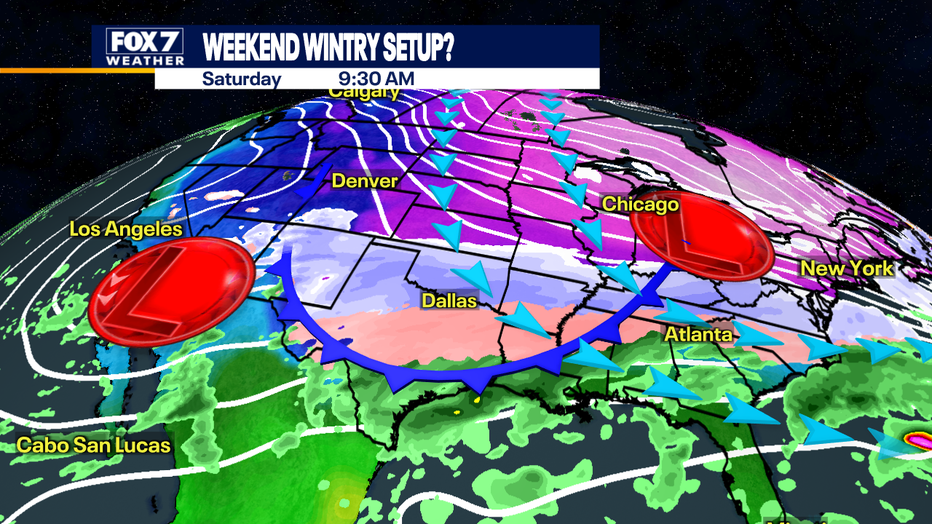
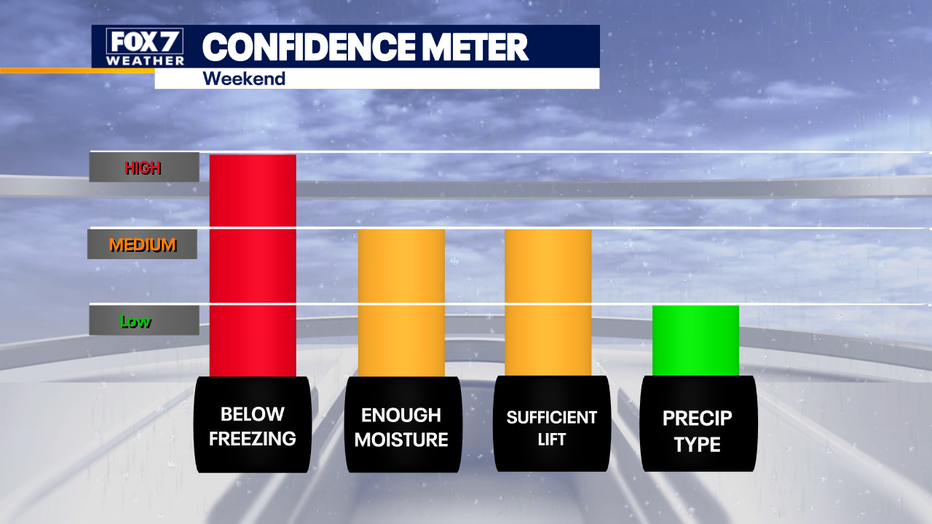
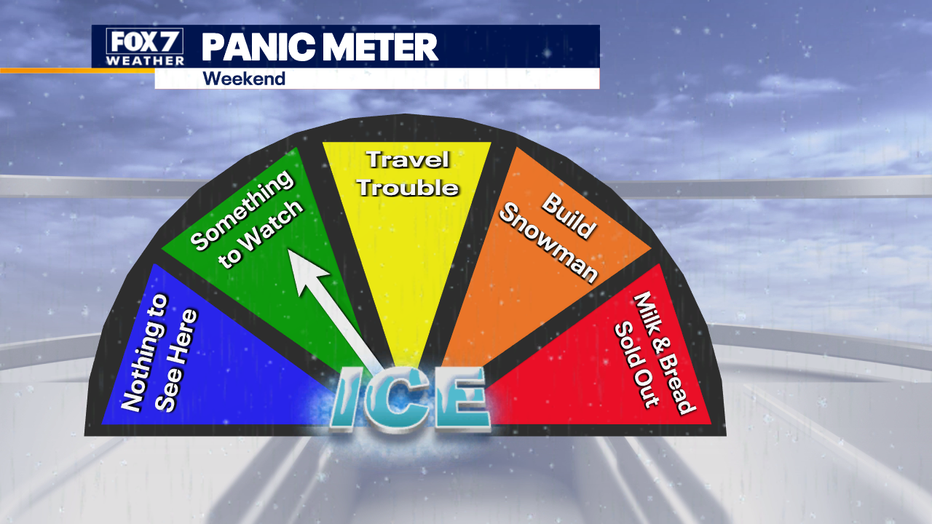
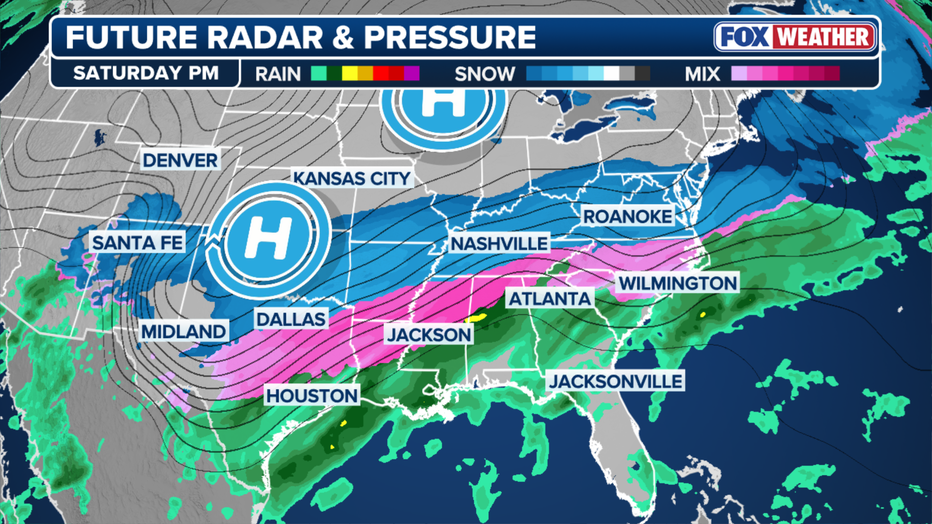
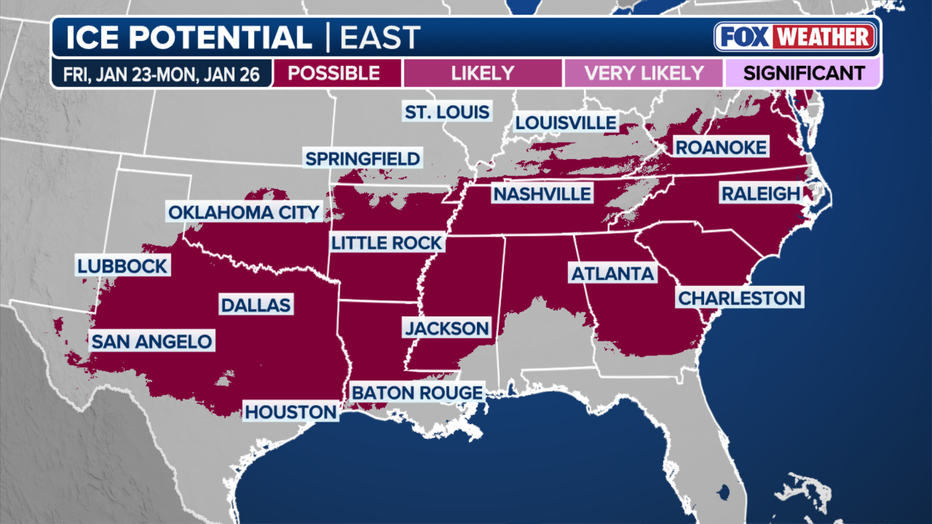
Confidence is increasing regarding the potential for a significant intrusion of Arctic air and impactful wintry precipitation from Friday into the upcoming weekend. Monitor the forecast closely over the next several days as we fine-tune the details and start thinking about how you can Protect the 4 P’s: People, Pets, Pipes, and Plants.
Great Job & the Team @ News Talk WBAP-AM for sharing this story.
On the Coretta Scott King side, I think one thing that’s so powerful about her story is how clear and early she was about the dangers posed by US military intervention in Vietnam, and how she understood the broader contours of colonialism and what it meant for the United States to be engaged not just in Vietnam, but in the Dominican Republic and elsewhere. And then the broader resonances with the possibilities of nuclear war, and how she was unafraid to challenge politicians about it, and how she worked to rally Americans across many different demographic lines to fight against the war and to activate for peace.
When I think about the present — obviously Coretta and Martin Luther King and their allies were adamantly opposed to the kind of gunboat diplomacy we’re seeing in Venezuela, and to the broader sense that the United States can impose its will wherever it chooses in other countries, and that it can do that without thinking through the long‑term consequences.
I think for Coretta, she always thought about it in economic terms, so she was opposed to Vietnam both in terms of the moral aspect of it, but also because she was always making the case that the money being spent fighting the Vietnam War would be much better spent here in the United States taking care of the needs of American citizens — housing, health care. Those issues obviously have not gone away, and they remain front and center for most average Americans. People are concerned across party lines about day‑to‑day economics, and that’s something Coretta Scott King was always on the forefront of thinking about. As the Vietnam War was winding down, she was really interested in what it meant to have a peacetime economy that could serve the needs of average Americans.
On the Dwight Johnson side, I think Dwight Johnson looked like what the American military looks like today — not just a young black man, but someone from a lower socioeconomic status for whom the military offered some opportunities but also dangers. Dwight was drafted, as many men were in Vietnam. We have an all‑volunteer military today, but the racial and socioeconomic demographics of the military resonate strongly with Dwight Johnson’s profile and experiences.
One part of that story that’s important to think about is the human costs and consequences of American military deployments. It’s easy for presidents, politicians, policymakers, and average citizens to talk about whether the United States should be in Venezuela or Nigeria or wherever as if moving pieces around on a board, but there are real lives at stake. If the country moves into a situation where we are actively engaged in another war, it’s going to be men and women with profiles like Skip Johnson who bear the brunt.
Great Job Matthew Delmont & the Team @ Jacobin Source link for sharing this story.
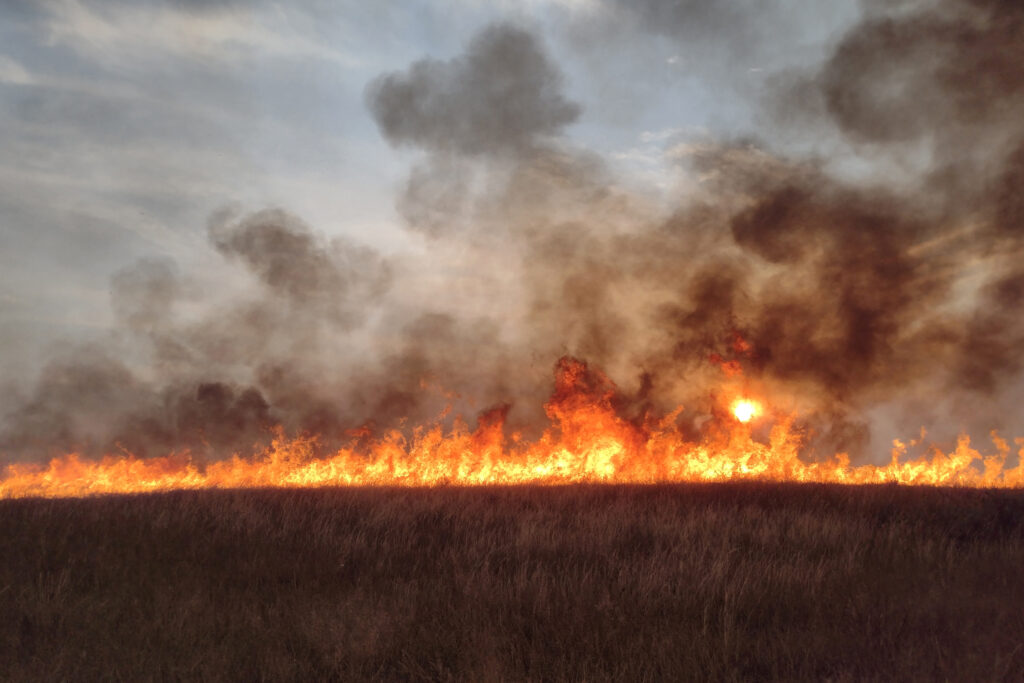
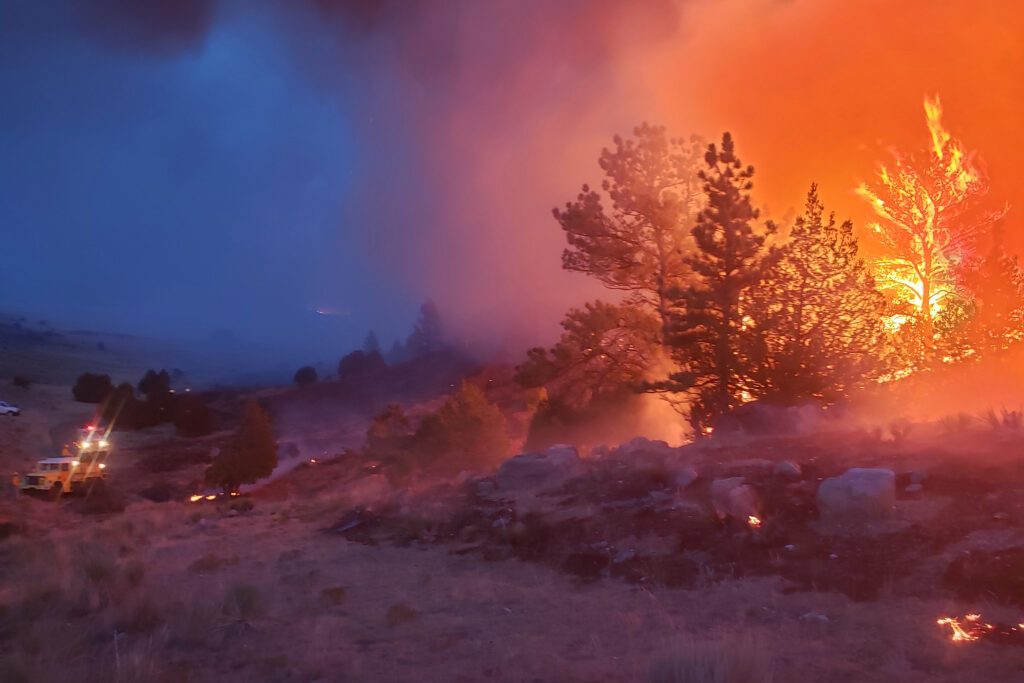
In six generations, Jake Christian’s family had never seen a fire like the one that blazed toward his ranch near Buffalo, Wyoming, late in the summer of 2024. Its flames towered a dozen feet in the air, consuming grassland at a terrifying speed and jumping a four-lane highway on its race northward.
As the fire raged, Christian sped his truck to his house on the plains where his great-great-grandfather began homesteading in 1884. Earlier that day, he had been working to contain the blaze he was now scrambling to catch, and he hoped that his wife, Sara, had managed to evacuate herself, their children and some of their animals.
When he finally crested a hill overlooking his ranch, all Christian could remember seeing was scorched earth and fire.
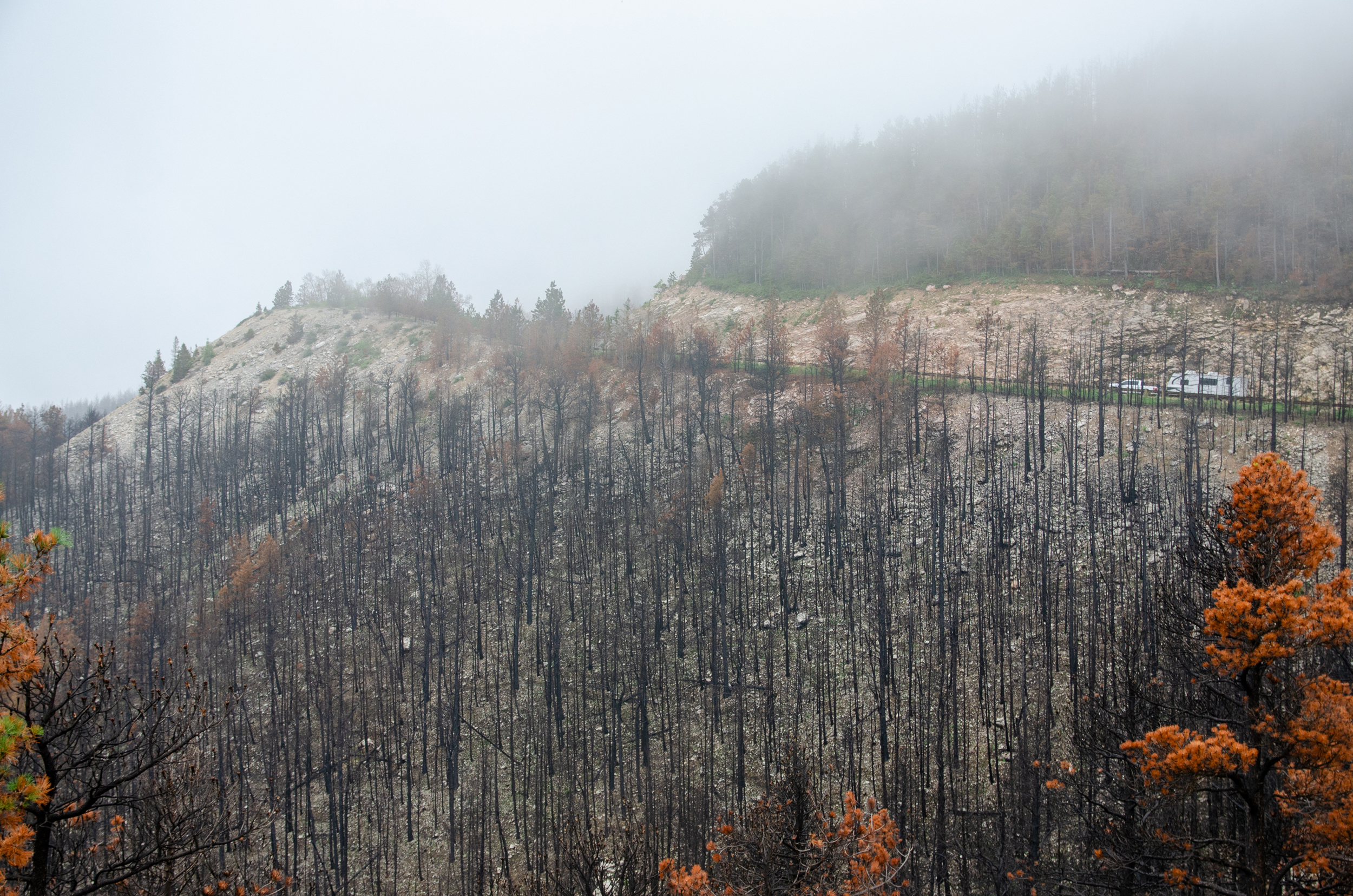
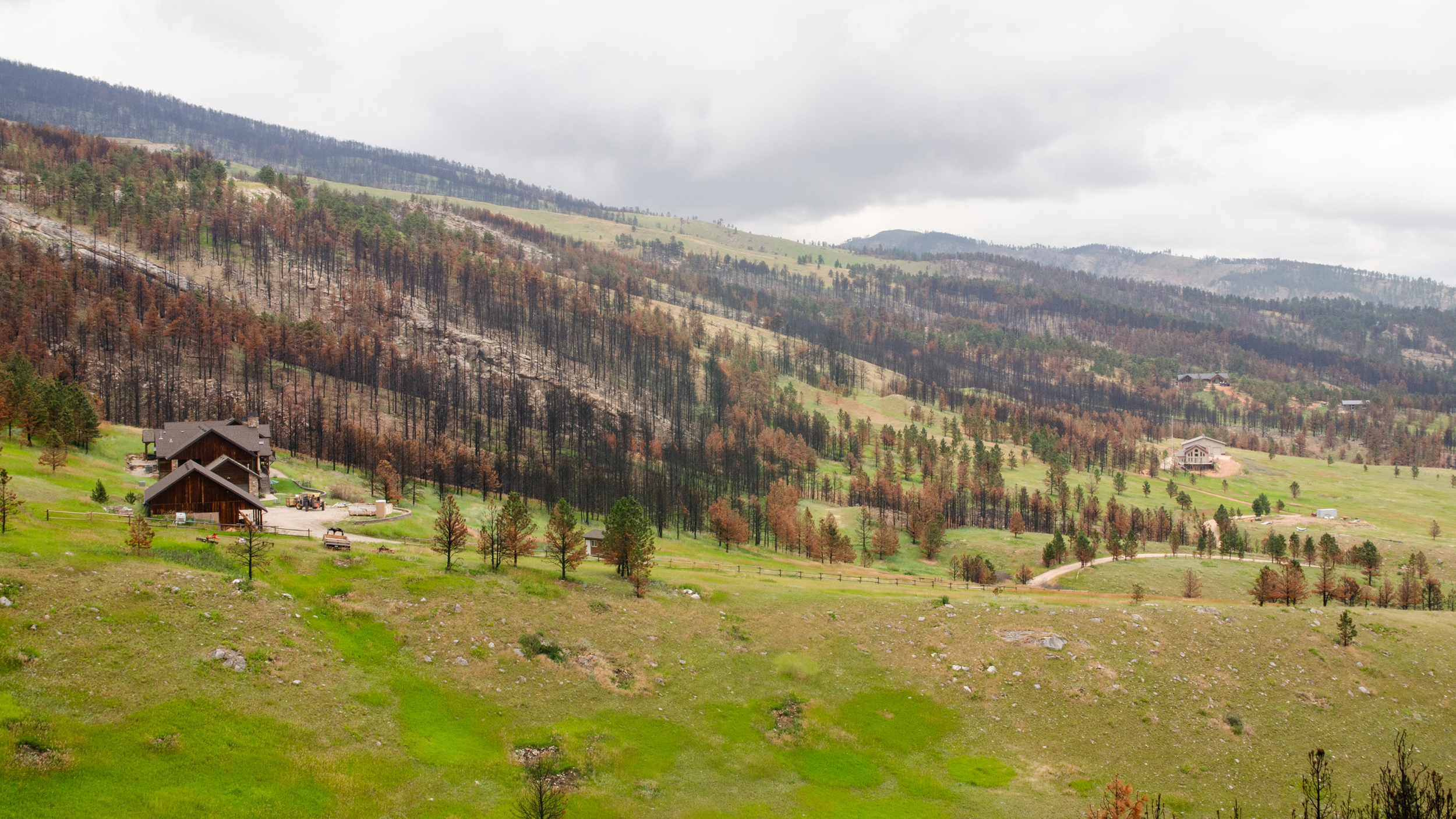
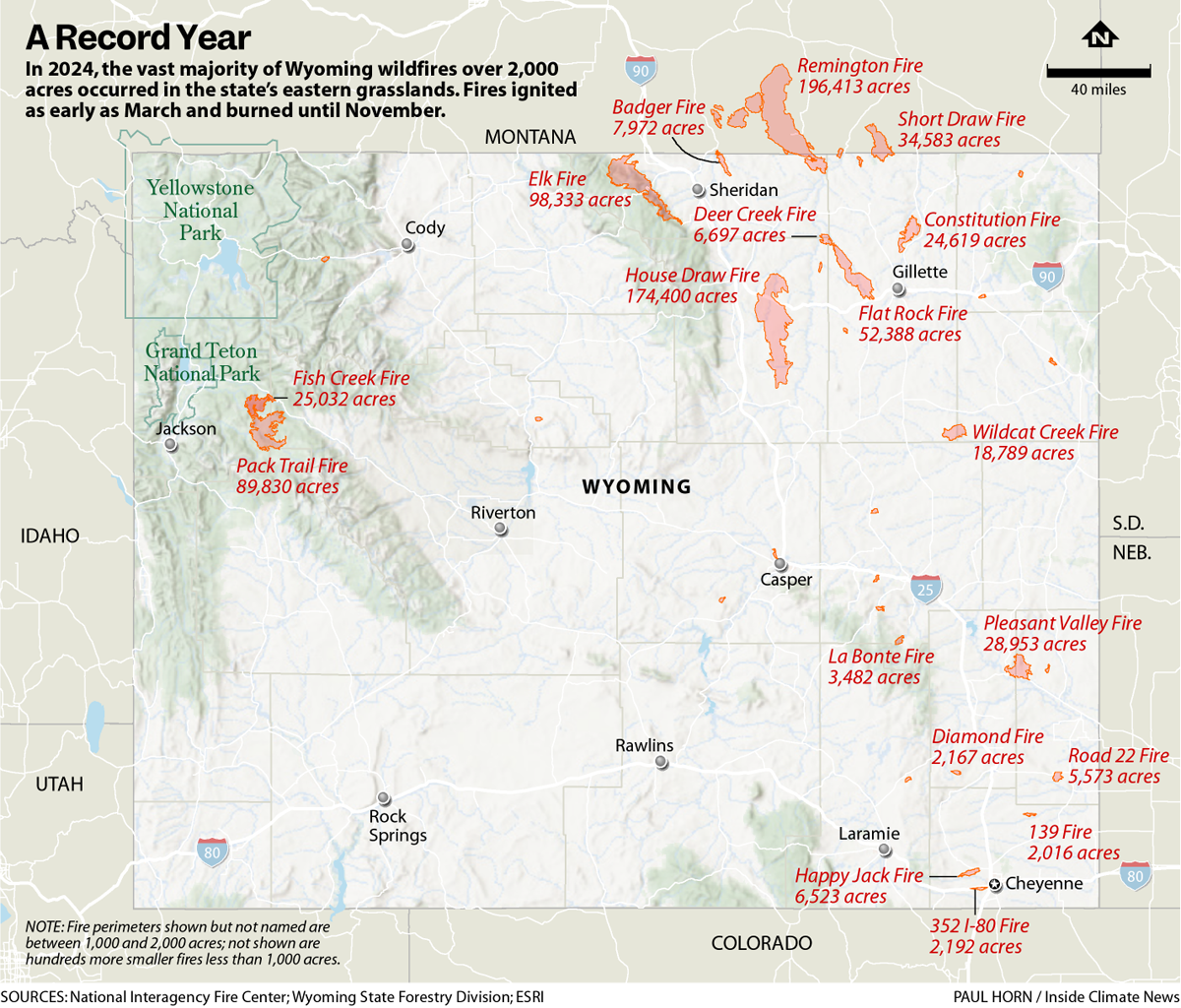
The fire threatening the Christian ranch would become known as the House Draw Fire, which grew into the largest blaze ever within Wyoming’s borders. In terms of acreage burned, 2024 was the second-largest wildfire season in Wyoming’s history, trailing only 1988, the year of the famous Yellowstone fires. By the end of 2024, Wyoming had amassed the fifth-most acres burned of any state, according to state data and estimates. Of the 32 fires that grew larger than 1,000 acres, almost half—including the three largest—burned in Wyoming’s northeast grasslands, predominantly on state and private land.
Miraculously, the blazes didn’t kill anybody, but hundreds of Wyomingites evacuated their homes.
Last year’s fire season was less intense, but still above average in terms of acres burned. As legislators prepare to convene in Cheyenne next month for a legislative session, the pall of the 2024 wildfire season has spurred many constituencies across the state to ask for more funding to combat or prevent enormous blazes.
And there are flickers of enthusiasm in the state legislature for changing how Wyoming fights fires, even as the ultra-conservative, climate change-denying Freedom Caucus wants to cut state spending. Gov. Mark Gordon and other lawmakers are taking calls from wildland firefighters for more resources seriously, but so far, state leaders’ proposed changes have not fully met counties’ proposals.
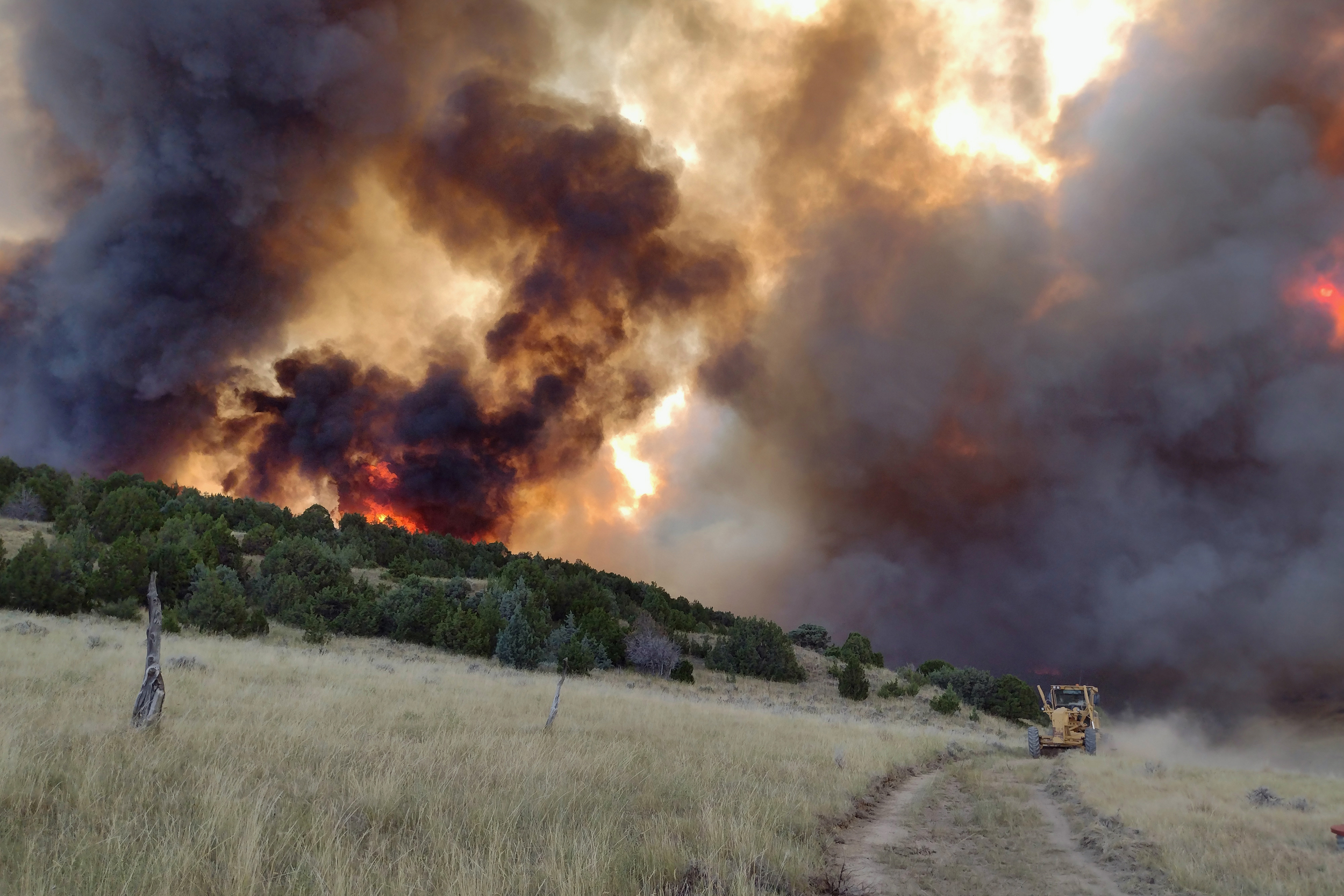
The Badger Fire burns through Sheridan County in 2024. Credit: Jacob McCarthy
The Pleasant Valley Fire burned nearly 29,000 acres in southeastern Wyoming and destroyed the childhood home of Rep. Harriet Hageman. Credit: Nathan Butler/Wyoming State Forestry Division
Wyoming’s recent fires are part of a West-wide trend of larger and more destructive wildfires that fire scientists warn is almost certain to continue increasing as humanity continues burning fossil fuels and warming the planet.
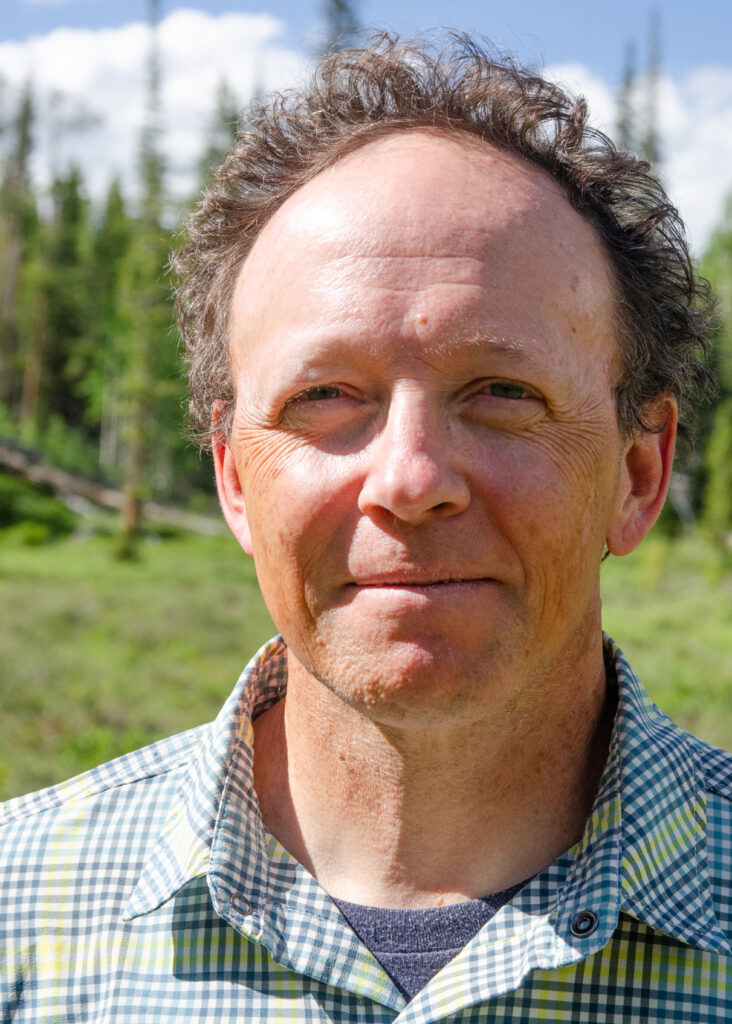
Wyoming has seen “this massive increase in the number of fires,” said Bryan Shuman, a paleoclimateology professor at the University of Wyoming, who studies the history of fire in the Rockies. “A big part of it is because the fire season is longer.”
Already, 2024’s wildfire season appears destined to loom over Wyoming for generations, even as some of the grasslands that burned that year show few signs today of being scorched.
Surrounded by Flames
Christian likely saw the lightning bolt that sparked the House Draw fire. Looking south from his property that morning, he saw lightning strikes peppering the black horizon. Soon, his pager trilled, calling him to a fire.
“The minute the pager went off, I knew exactly where I was headed,” he said. Christian has volunteered for Johnson County Fire Control as a firefighter for 12 years, as many ranchers do across the rural West, and he’s responded to such calls since he was a kid.
On the fire, his crew heard over the radios that the inferno had hopscotched the interstate and was headed north (flaming grasshoppers may have aided its charge).
The House Draw fire burned 9,000 acres of the Christians’ property. Credit: Courtesy of Sara Christian
Christian had run out of water to fight the fire by the time he learned the fire was headed toward his property. The department chief gave Christian water and told him to fight the fire at his home. He was relieved by that act of kindness for only a few minutes.
“Shit. Everything’s on fire,” he thought as he approached his property, which includes his parents’ home.
Christian’s ranch sits at the base of a bowl of grass in the prairies that roll up east of the Big Horn Mountains. A creek curves around the back of his home and barn. His neighbors were there fighting the blaze after being called by his wife, who had evacuated with their three kids and some of their horses.
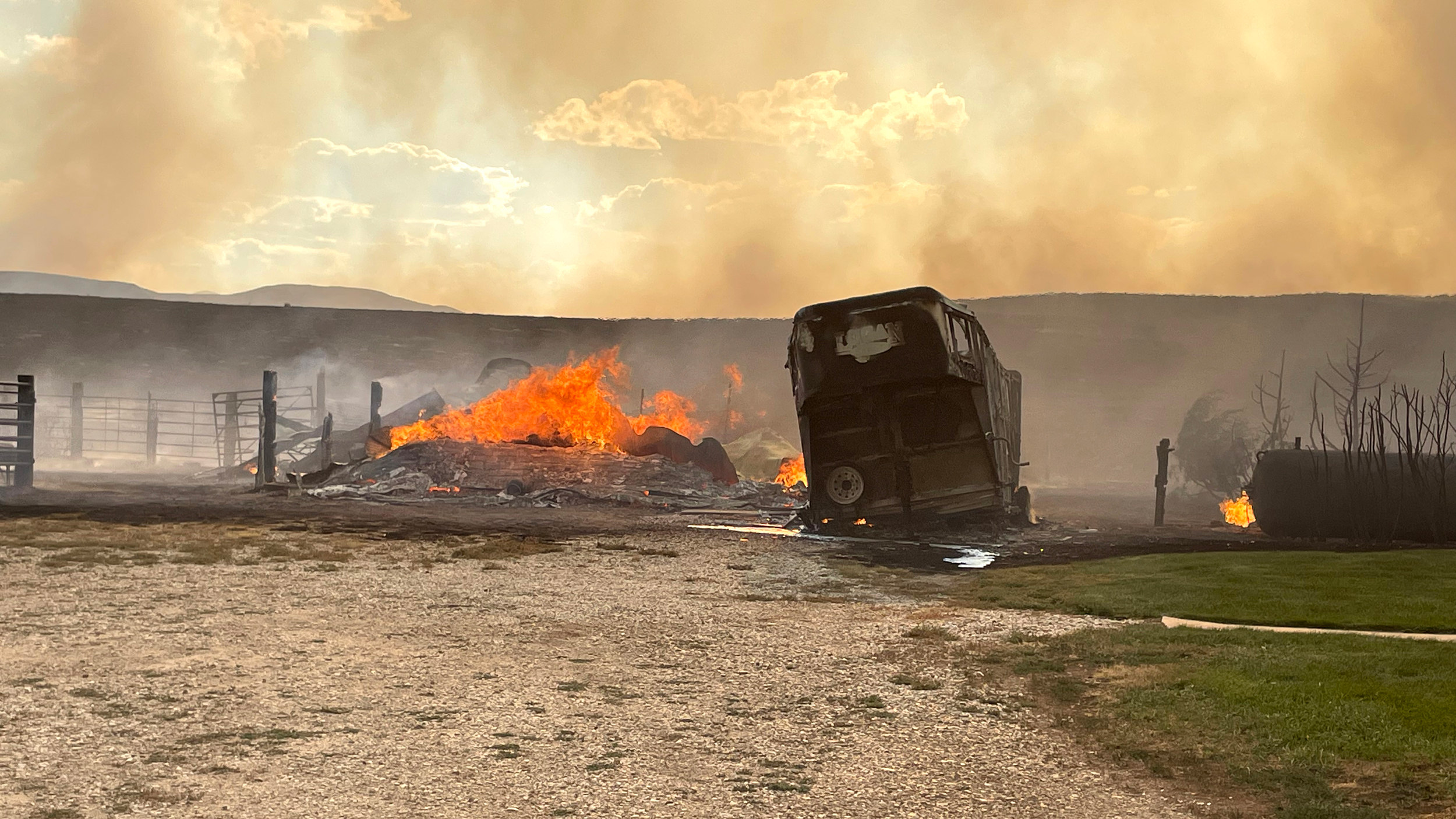
The fire had been devouring the land. Cottonwoods by the creek perished, as did a tree Christian’s grandfather tended as a young man; the propane tank on his father’s property caught fire; embers ignited firewood under a mobile trailer that melted into rivulets of aluminum; 300 bales of hay burned for a week, Christian said, leaving a scar still visible nearly a year later (his grass was insured). Somewhere on the ranch, 100 cattle yearlings were trying to escape with their lives.
The neighbors brought water and struggled to connect the creek and the road into a fire line that circled the Christians’ home, barn and garage, dousing flames that threatened to cross the perimeter. But after several hours, the flames were still threatening to jump the line and the fire front was advancing. Just when it appeared the blaze was poised to consume the house, a plane appeared overhead to shower it in a plume of bright-red fire retardant to hold back the flames long enough for the neighbors to regroup and secure the perimeter.
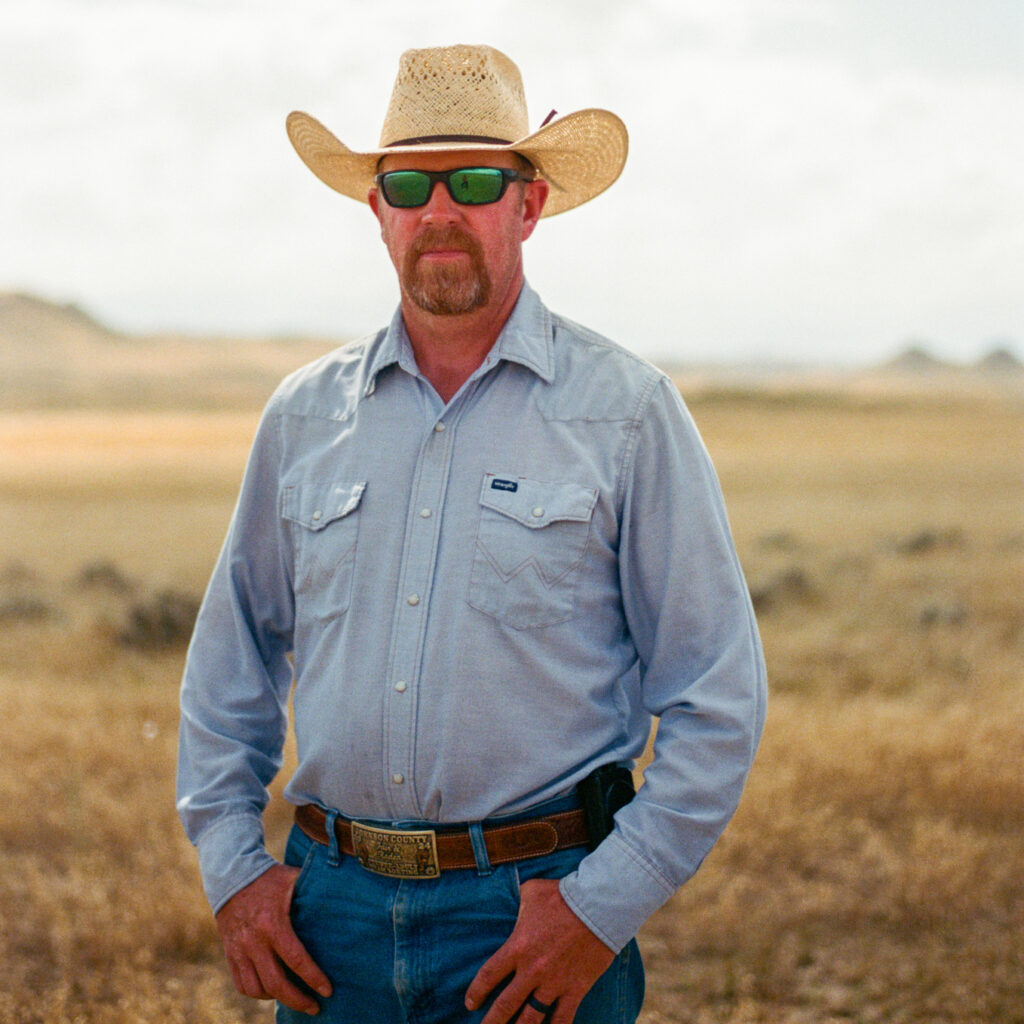
Jake Christian stands in the burn scar from 2024’s House Draw fire. Credit: Jake Bolster/Inside Climate News
Christian made it home just after the slurry drop that helped save the house, but the grasslands were still on fire. The flames were sneaking over the bridge spanning the creek, its slats slowly igniting one by one. He sprinted to the crossing and began flipping planks into the water before they could ignite. As it got darker, the light from the fires shone so brightly that Christian felt like he had suddenly been dropped into the middle of a city. Some of the most unwieldy 2024 fires in Wyoming ripped at night, which is typically when fire behavior calms.
When the conflagration had finally exhausted all its available fuel, Christian and his neighbors found themselves standing on an island in a sea of black. Without his neighbors’ efforts, Christian’s family almost certainly would have lost its home.
Ironically, the scorched earth is what made Christian feel like he could get a few hours of sleep that night. “Everything that could have burned was burned,” he said. In total, 9,000 acres of the Christians’ land had been scorched, accounting for about five percent of what burned in the 174,547-acre wildfire.
Muddy Past Hints at Smokey Future
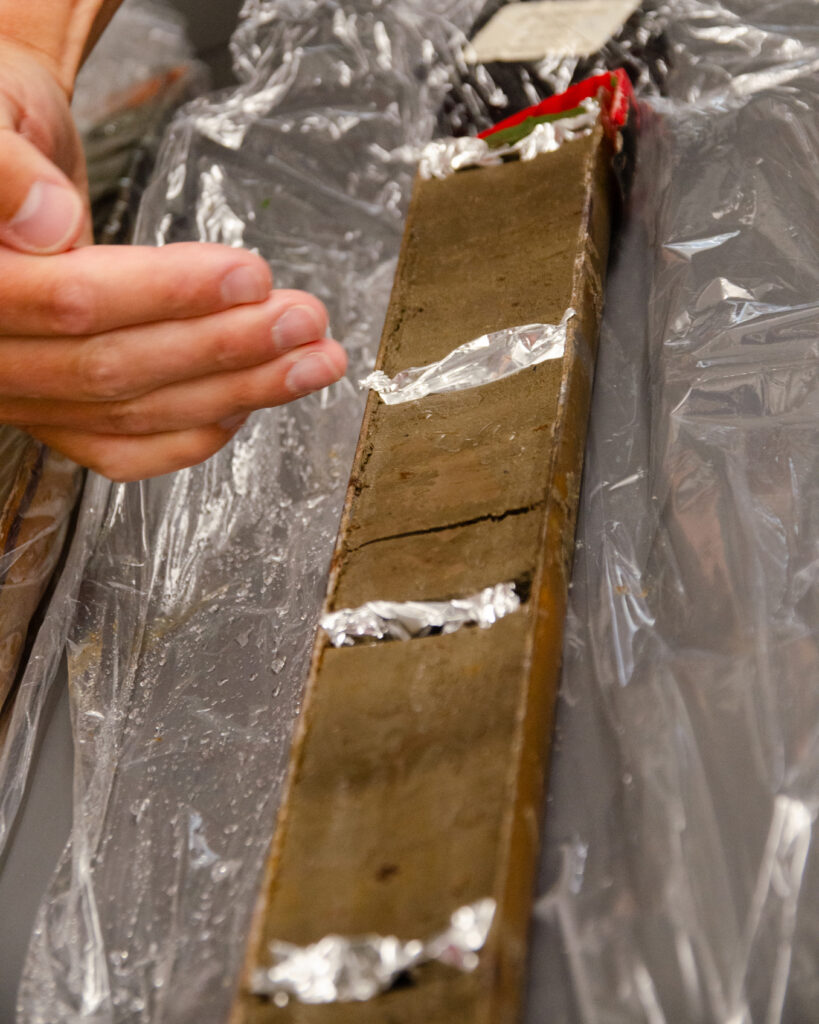
Nearly a year after the House Draw Fire, Bryan Shuman at the University of Wyoming was in his office delicately handling a three-foot-long plastic pipe filled with mud from the bottom of an alpine lake. “This is the history of the environment that we’re leaving behind,” Shuman said.
Over thousands of years, sediment layers in alpine lakes accumulated on top of one another, trapping charcoal from fires, which, when paired with tree ring records, microbial concentrations and trapped midgefly carcasses, creates a climate report from the ancient past. From this record, Shuman has concluded that large fires are burning more frequently in southern Wyoming and northern Colorado today than at any time in the last few thousand years.
Bryan Shuman and a team of students are researching how the region’s fire interval is linked to climate change. Credit: Jake Bolster/Inside Climate News
“If you took a point on the landscape and said, ‘how often will this point get burned?’ on average, that point might, for most of the last 2,000 years, have only gotten burned once every 250 years,” Shuman said. “But now, we’re at the point where that one point might get burned every 60 years.”
Driving from Laramie into the nearby Medicine Bow mountains to check some of his mud core sampling stations in late June, lush vegetation bordered the road, but the burn scars from past fire seasons stood out, particularly those from 2020. Megafires plagued southern Wyoming and northern Colorado that year, including the three largest wildfires on record in Colorado, and another that spanned the border between the two states, leading Shuman to wonder if the huge fires his research predicted were already at his doorstep.
“I used to think these big fires are somewhere off in the future, but it’s already happening here. I thought it would take decades” he said.
In 2021, he co-authored a paper showing how large fires in the southern Rockies were beginning to occur more frequently.
“And that’s only going to get worse,” he said.
Lake cores offer clues about what the climate looked like thousands of years in the past. Credit: Jake Bolster/Inside Climate News
Bryan Shuman’s work has shown that the fire interval in the southern Rockies is decreasing, going from a rate of 250 years to 60. Credit: Jake Bolster/Inside Climate News
Charcoal from a lake core sampling as seen through a microscope. Charcoal concentrations tell scientists how frequently landscapes burned before recorded human history. Credit: Jake Bolster/Inside Climate News
Shuman’s research has also taken him to the Northern Rockies, home to some of the country’s most iconic landscapes.
Scientists used to think the forests around Yellowstone National Park wouldn’t see more frequent wildfires; the cooler temperatures and snowpack that came with their northerly latitude would keep them relatively moister than forests farther south. But in 2016, fires in Yellowstone reburned areas that had been scorched in 1988 and 2000, signaling a possible shortening of the fire-return interval.
“We’re seeing the signs,” said Monica Turner, an ecology professor at the University of Wisconsin-Madison, who has studied fire in Yellowstone for decades. “It can happen. We shouldn’t think it can’t.”
The West’s megadrought has left trees, other vegetation and soils drier. Every uptick in drying exponentially increases the risk of a large fire, Turner said. In 2011, she co-authored a paper that predicted the time that it takes for areas of the Greater Yellowstone ecosystem to burn could shrink from between 100 and 300 years to less than 30 under an extremely dry, high-emissions future, and years without large fires could become increasingly rare.
“I used to think these big fires are somewhere off in the future, but it’s already happening here. I thought it would take decades.”
— Bryan Shuman, University of Wyoming
Climate change is “adding gasoline to the flames,” she said.
Trees are adaptive, but if they experience fire too frequently, they may not have enough time to adjust. Some of Turner’s research has shown that by 2100, if humanity does not curtail its emissions, up to 50 percent of some forest area around Yellowstone could fail to regenerate after being barraged by too many fires too quickly.
Instead of storing carbon, Yellowstone would become a net source of carbon emissions.
“Fires faithfully track climate,” said Cathy Whitlock, a paleoecologist and researcher at Montana State. Whitlock, like Shuman, has used mud cores to study past behavior of fire in the Northern Rockies. She’s learned that the term “fire cycle” isn’t quite accurate, she said, because the climate is dynamic. “When it’s warmer, there are a lot more fires, and when it’s cooler, there are fewer fires.”
For humanity to avoid a future in which enormous, destructive fires occur multiple times in a generation, it must “reduce the emissions of greenhouse gases from the burning of fossil fuels,” Whitlock said. “We need to flatten the temperature curve.”
The Elk Fire’s burn scar will be visible on the landscape for decades, even as forest managers and firefighters say they struggle to generate enthusiasm and interest from the community members for defensible spaces and home hardening. Credit: Jake Bolster/Inside Climate News
Cheyenne’s Move
Fires were still making forests red in Wyoming when the U.S. elections made the nation’s most conservative state even redder politically. The “Freedom Caucus” of Wyoming Republicans gained control of key positions in the state legislature and further limited Wyoming’s already small-government approach to running the state by cutting property taxes 25 percent.
These taxes help fund Wyoming’s local fire districts.
In June, Shad Cooper and J.R. Fox, both county fire wardens, and Kelly Norris, head of Wyoming State Forestry, appeared in front of the Appropriations Committee to discuss the 2024 wildfire season. Four of the committee’s 11 lawmakers, all members of the Freedom Caucus, wore red blazers to highlight projections that Wyoming’s budget would be running a deficit within a few years.
It was the trio’s first opportunity to speak publicly with lawmakers about the fiscal commitments Wyoming needed to make to better manage fire in a warming world. Their testimony was sobering. Wyoming’s Emergency Fire Suppression Account, which helps counties cover the cost of fighting fire, had hovered around $100,000 after its inception in 1986, but has skyrocketed to over $52 million since 2003. The state’s limited human resources were also stretched thin: Despite managing over 32 million acres of land, the Wyoming State Forestry Division is among the lowest-staffed forestry agencies in the West, and the department routinely loses personnel to federal agencies with better pay and benefits, Norris said. Nearly 90 percent of fire departments in Wyoming are staffed with volunteers who are having to respond to more and longer-duration fires. The dangerous working conditions and long hours are increasingly having a negative impact on the firefighters’ families and social lives.
“This is not sustainable, and it is a major red flag,” said Norris, who has promised her family she would never again commit as much time to fighting fires as she did in 2024.
A third of volunteer firefighters in Wyoming are over 50, and Cooper noted fewer young people have been volunteering in the last five years. “That reduction scares me, and I think it should scare everyone in the state of Wyoming,” he said. Without younger personnel, he said Wyoming would “have more large wildland fires because they escape and we’re not able to keep them small.”
Wyoming has another source of low-cost firefighting in addition to its volunteer departments. The state relies extensively on an inmate crew to fight wildfires for “a couple bucks an hour,” Fox said, and lawmakers expressed enthusiasm for expanding that program. Norris wouldn’t disclose inmates’ salary when asked by Inside Climate News, but said Wyoming more than doubled their pay, and it is currently more than $2 an hour.
Even if that program were to grow, it can’t keep up with the forecasted increase in wildfire in the state.
Cooper and Fox requested the state appropriate funds to its forestry department to hire 14 full-time employees with competitive pay and benefits for wildfire suppression, and an additional 40 seasonal firefighters, at a total cost of about $5.5 million every other year.
The state’s Emergency Fire Suppression Account should be funded at a minimum of $40 million annually, Cooper and Fox told the committee, with at least $60 million available for a worst-case scenario year. The duo also suggested lawmakers create a $10 million “fire mitigation account” to help pay for reducing hazardous fuels on state and private lands, a more cost–effective way of preventing enormous blazes.
“We should look at some opportunities to be more proactive,” Fox said. “This meeting is an opportunity for change.”
Carli Kierstead, the founder and director of The Nature Conservancy’s Wyoming forest program, attended the June appropriations meetings and was glad to see forward-looking proposals, but anticipated that, with the Freedom Caucus intent on cutting spending, they would be subject to negotiations.
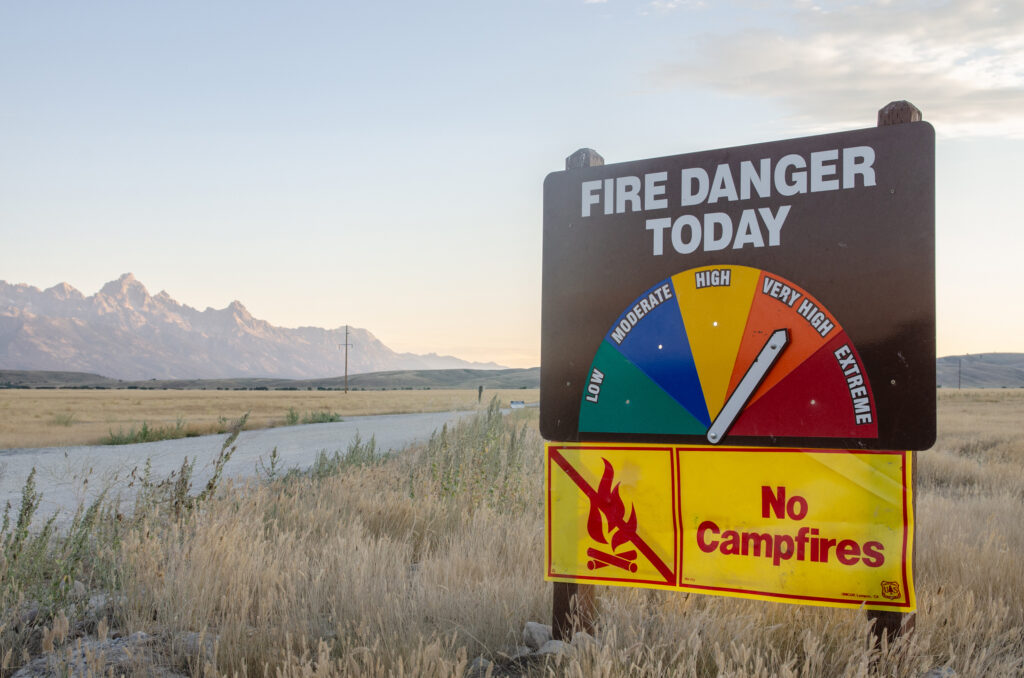
Fire bans were in place across public lands in Teton county by early August 2025. Credit: Jake Bolster/Inside Climate News
Wyoming’s helitack team is capable of offering support during a fire’s early suppression efforts, and the state just purchased another chopper. Credit: Jake Bolster/Inside Climate News
Fire season is getting “extremely expensive, and we can’t just go about with business as usual,” she said. “We have to make additional investments, even if we are a fiscally conservative state, because it’s worth it in the long run.”
Chiefs of other paid and volunteer firefighter departments are looking to Wyoming to figure out how to maintain or increase funding for wildfire mitigation and suppression, regardless of what happens with taxes in the state.
“We need to do a little more with financing,” said Lisa Evers, chief of the Casper Mountain Fire District. Evers, a Casper native, has run the volunteer department on Casper Mountain for the last six years. “[Legislators] cut the property taxes by 25 percent, which, yay, because that means less I have to pay,” she said. But less money also affects how her department covers fuel and equipment costs, which have “gone up astronomically,” she said.
“We’re no different than insurance,” said Brian Oliver, chief of the Natrona County Fire District, also based in Casper. “You might pay your premiums for 25 years and never use it, but the one time you need it, you gotta have that.”
The departments are neighbors, but Oliver’s 20-person team is paid through local property taxes, while Evers’ team is made up entirely of volunteers. While Oliver is appreciative of the support the state has provided in the past, like funding new aviation resources, Wyoming lawmakers “really decreased our annual budget quite a bit” by cutting property taxes, he said. “That hurts.”
Last summer, members of the joint appropriations committee mostly expressed awe and gratitude for firefighters during several presentations on the rising costs of wildfires. And at a committee meeting on Halloween, lawmakers appeared open to easing their budget-cutting zeal.
“I would consider myself a fiscal hawk, and yet we see this as a necessity that we begin to go in a different direction,” said Rep. John Bear, the Freedom Caucus’ chair, whose district lies just outside Gillette. “We may not all leave these meetings completely pleased with the outcome, but we will take the state in a direction that we think addresses the risk that we see.”
This story is funded by readers like you.
Our nonprofit newsroom provides award-winning climate coverage free of charge and advertising. We rely on donations from readers like you to keep going. Please donate now to support our work.
In December, the joint appropriations committee published four bills that would allow State Forestry to hire more full-time and part-time firefighters and improve benefits and pay for fire personnel. The bills will be some of the few pieces of legislation that receive attention during next year’s compressed legislative session, where lawmakers devote most of their time to drafting the state’s budget.
“I don’t know where we’re going to land,” Norris said. “But I’m hopeful.”
In his budget proposal, Gov. Gordon acknowledged that fires in Wyoming were growing larger and more challenging, and praised the volunteers who fight them. Still, he did not create a fuels mitigation account, and proposed adding fewer new personnel to state forestry than the county wardens had requested. His budget would keep the state’s emergency fire suppression account at $30 million.
Cleaning House
Getting Wyomingites to invest in making their properties more flame resistant and accept the inconveniences that accompany reducing the fire risks around them may prove more difficult than convincing the state’s conservative government to fund fire fighting and fire mitigation.
“The hardest thing in our line of work is human free will,” said Oliver at the Natrona County Fire District. “You can show as many PowerPoints as you want, as many pictures as you want. You can talk about the goriest, nastiest stories that you want. But everybody has the mindset that ‘It’ll never happen to me’ … until it does. And then, once it does happen to them … they get very proactive afterwards. And I hate to see it, but it is very true.”
Evers, Oliver’s counterpart on Casper Mountain, put it a little more bluntly: “A catastrophic fire, it usually lights a little fire under people,” she said last summer outside her station on top of the mountain. Evers and Bryan Anderson, Wyoming State Forestry’s District 2 director, were discussing the difficulty of fostering a fire-adapted mindset in homeowners.
“Everybody has the mindset that ‘It’ll never happen to me’ … until it does.”
— Brian Oliver, Natrona County Fire District
After two fires six years apart consumed much of the forest on the east and west sides of Casper Mountain, but left the middle—where most of the structures are—virtually unburned, “more people [were] out doing mitigation, removing deadfall, calling about stuff and asking the questions,” Evers recalled.
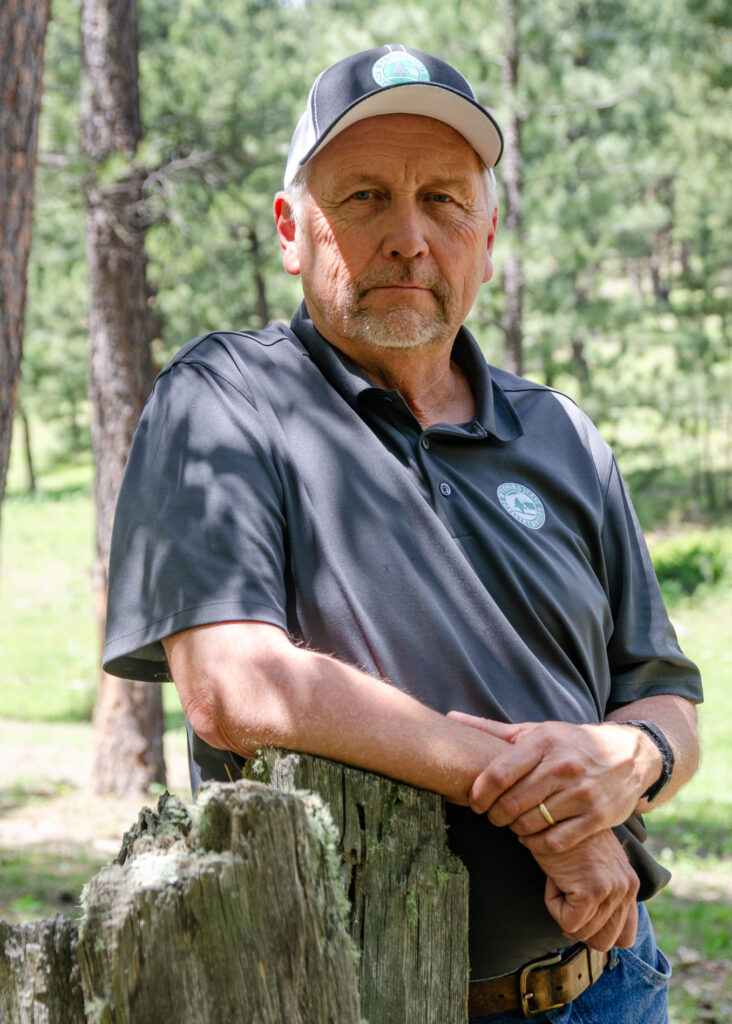
Bryan Anderson, Wyoming State Forestry’s District 2 director. Credit: Jake Bolster/Inside Climate News
“We’d hold a field day for landowners up here. They would show up,” Anderson agreed. Peak attendance for fire prevention and awareness workshops was between 30 and 40 people, Evers said, less than 10 percent of Casper Mountain’s population, but still a healthy showing. “Last time we tried to hold [a field day] here … I think 12 people showed up,” he said, lamenting the decline in interest.
This month, Evers plans to meet with the National Fallen Firefighter Foundation to discuss hosting a two-day education program in Casper this June that would explain the virtues of home hardening and creating defensible spaces, and teach homeowners the risks firefighters face when communities that are not fire adapted burn.
She believes the foundation will tell residents “if you don’t do this, firefighters will die.”
“Time for the tough love,” she said.
When a homeowner does get the message, the results can be transformative.
“Nuked”
In 2012, Gary Berchenbriter lost his cabin on the east side of Casper Mountain to the Sheepherder Hill fire. Anderson and other firefighters had fought hard to save the home—because they felt safe; the Berchenbriters had what firefighters call “defensible space” around the structure and a nearby grove of aspens, a deciduous tree that retains more moisture and doesn’t ignite as easily as conifers.
But upon returning home, Berchenbriter described his land as “just nuked.”
The family decided they wanted to rebuild, and did so to be more resilient to wildfires. Their new home uses earthen plaster siding and has a metal roof, both of which are considered safer than wood and asphalt. The home’s centerpiece is a scorched ponderosa pine tree that used to sit in the front yard but now reaches from the floor to the ceiling inside the house, its black scars a reminder for the family.
A ponderosa pine that burned on Gary Berchenbriter’s property in 2012 is now the centerpiece of his and his wife’s new house on Casper Mountain. Credit: Jake Bolster/Inside Climate NewsGary Berchenbriter rebuilt his house next to the old foundation after the Sheepherder Hill fire in 2012. Credit: Jake Bolster/Inside Climate News
While Berchenbriter’s immediate neighbor is an excellent land steward, many other Casper Mountain residents are second-home owners, and Berchenbriter said he was not sure how well the community is prepared for a fire that strikes the middle of the peak. “Generally, the farther away you are, the less interest you have in [fire protection],” he said. “The people that live on the mountain I think are very aware and take care of it.”
Homes up narrow canyons and in overgrown, drought-stressed forests accessible by only a single winding road are littered across Wyoming and the West. Often “dream homes,” they are increasingly a nightmare to insure. Requirements for home hardening, tree thinning and vegetation management are usually implemented at the county level, and consistency between how homeowners manage their fire risk is not guaranteed.
“At what point do you roll up the newspaper and spank the public?” said Jacob McCarthy, State Forestry’s District 5 forester covering Johnson, Sheridan and Campbell counties. “Are you going to comprehend what is being told to you? Or are you going to have the mentality of it’s not going to happen to me, or it doesn’t matter because I have insurance and they’ll pay for it?”
Jacob McCarthy, who spent weeks fighting fires in northeastern Wyoming during the summer of 2024, wants more people to understand that fire is a natural process Wyomingites must learn to live with. Credits: Jake Bolster/Inside Climate News and Jacob McCarthy
Jacob McCarthy described the Badger Fire as “a shot across the bow,” portending intense fire behavior in 2024. Credit: Jacob McCarthy
McCarthy delivered this tough love as he drove through Story, Wyoming, a small community on the rim of the Big Horn Mountains, to a patch of state land he hoped would one day be treated with a prescribed burn. Tribes across the U.S. have used intentionally set fires, known among Indigenous practitioners as cultural burns, for centuries, far longer than the state of Wyoming has existed. Only recently has federal and state fire management grown to include prescribed burns.
In 2024, a fire ripped through 98,000 acres on the east side of the mountain, and McCarthy hoped a burn intentionally set in the area could head off a similar conflagration.
“This landscape has seen fire for thousands of years,” he said. “What we’ve done is we’ve taken that fire off the landscape. Doing that, we’ve painted ourselves into a corner … We basically fired the maid, and we didn’t start cleaning our own house.”
Spark Plugs
Fighting fire with fire is risky. Even the slightest change in weather conditions can blow a prescribed fire burning slow and low on the ground into an inferno that escapes to threaten lives and property. Much more often, any one of a dozen conditions like wind, heat or fuel moisture fall outside the prescribed safe ranges, leading burns to be shut down. Permitting and staffing the burns requires coordination between federal, state and local governments, and buy-in from nearby communities that will be affected by the smoke, even if the burn goes well, and possibly flames if it does not.
Given all the liability, it is unlikely to ever become a tool Wyoming can wield without help, despite research showing low-intensity prescribed burns could prevent megafires in vast areas of forested land across the state.
As a state agency, “we don’t have the resources to prep and implement a prescribed fire,” McCarthy said.
Even a successful prescribed burn can generate a lot of controversy.
“The big issue really is—besides escape—smoke, especially for long-duration burns,” said Andy Norman, a retired fuels specialist with the Forest Service based in Jackson, Wyoming, who estimated he has participated in more than 100 prescribed burns. “The Forest Service definitely had to do some outreach, making sure that people understood that this is a short-term impact, that long-term, there will be less chance of a wildfire in this area.”
After 38 working in fire-management, Andy Norman wants to see more communities accept the fact that they live with fire. Credit: Jake Bolster/Inside Climate News
After a career in the Forest Service, Liz Davy has helped generate social acceptance for prescribed burns in the communities around Yellowstone through her organization Greater Yellowstone Fire Action Network. Credit: Jake Bolster/Inside Climate News
In 2022, Liz Davy, a former Forest Service district ranger disillusioned by the lack of public acceptance for proactive fire management in the Yellowstone ecosystem, co-founded the Greater Yellowstone Fire Action Network, one of many nonprofits dedicated to helping communities live with fire in the region.
The network distributes air filters during smoke events, hosts webinars on home hardening and defensible spaces and has also helped counties around Yellowstone, including Lincoln and Sublette, create “smoke-ready” communities, where residents are trained to keep each other safe from the emissions of wildfires or prescribed burns.
One aspect of their model relies on finding a neighborhood ambassador, a community member who can serve as an example of how to live with fire. “We call them ‘spark plugs,’ those people who are really passionate about [fire],” Davy explained on an August trip to the Caribou-Targhee National Forest, where she was a ranger. She was on her way to observe work being done by a fuels crew—professionals trained to reduce a landscape’s fire risks by thinning forests and, when appropriate, conducting prescribed burns—which her organization had helped plan.
A section of forest is thinned near Esterbrook, Wyoming. Credit: Jake Bolster/Inside Climate News
A group of mostly young women clad in thick chaps and carrying chainsaws waited for Davy on the side of the road. She seemed eager to throw on fire-resistant Nomex pants and join the team.
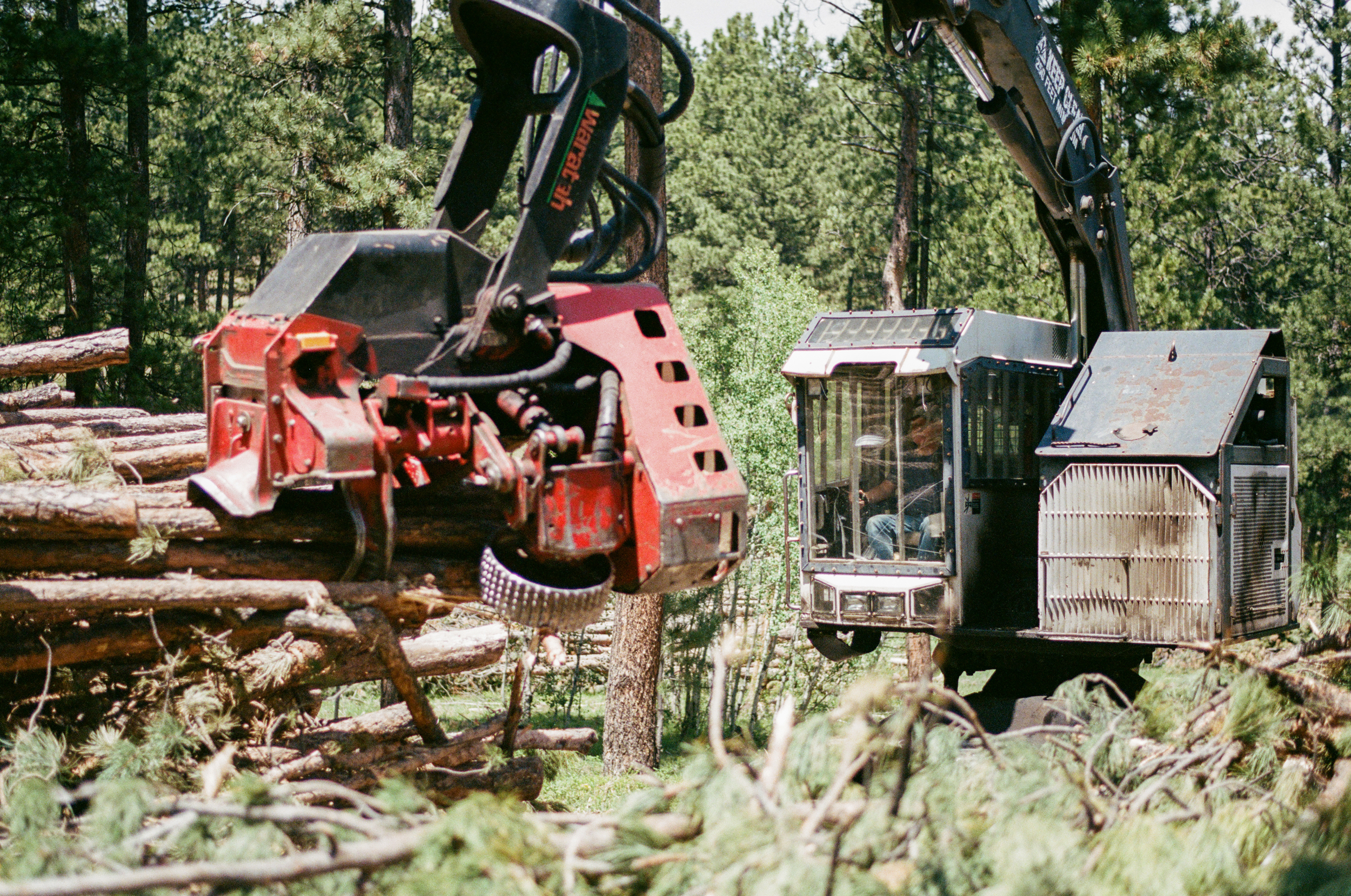
The Nature Conservancy crew is certified to thin vegetation and conduct prescribed burns anywhere in the country. Their work supplements federal and state fuels treatments, and this job would help the Forest Service to improve its fire breaks and promote aspen regeneration.
Despite mostly camping on the job for a couple weeks of, on average, 10-hour workdays, few of them showed fatigue. Several said they were grateful they got to do work they feel helps communities get ahead of disasters.
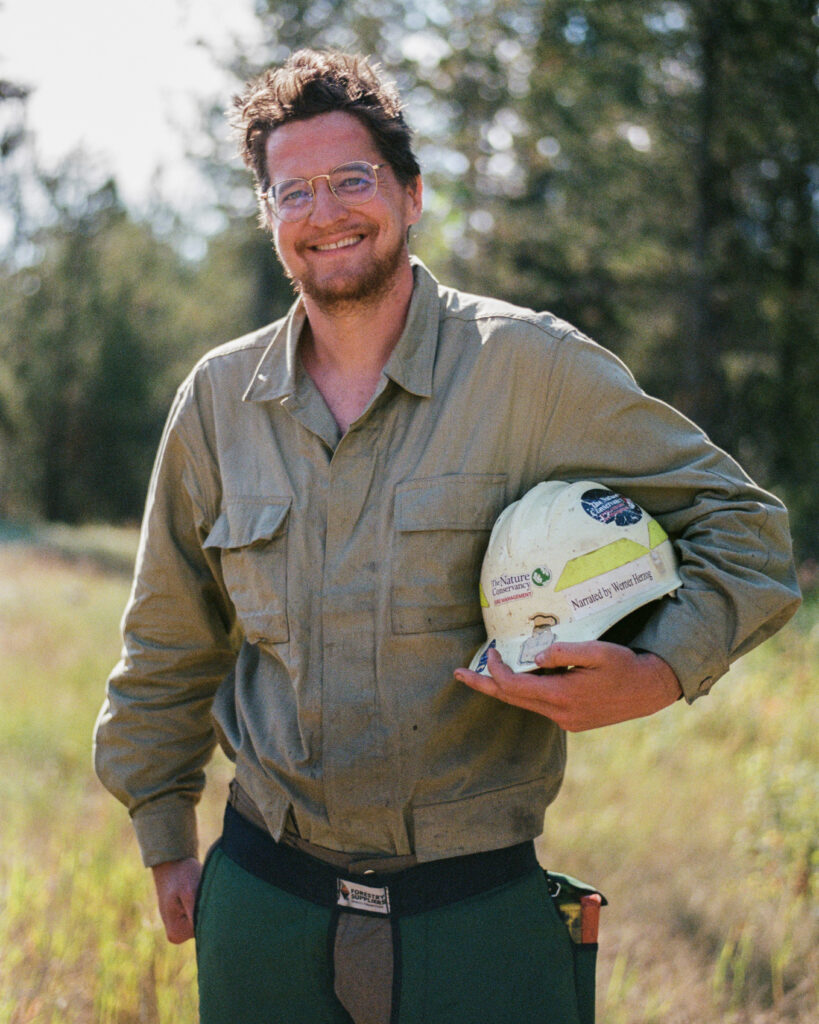
“I just wanted to do prescribed fire as a job,” said Christian Craft, the group’s leader and a former Forest Service firefighter. “I just think it’s a lot more important to be proactive than reactive when it comes to this.”
Christian Craft left a career fighting fire with the Forest Service in pursuit of a burn boss certification, which will let him lead prescribed burns across the U.S. Credit: Jake Bolster/Inside Climate News
Craft is pursuing his burn boss certification to plan and execute prescribed fires, and thinks he’ll earn that more quickly through The Nature Conservancy than the Forest Service.
The crew got their chainsaws humming, and soon, trees were crashing across the forest. Davy left with a smile on her face. After years of working in a male-dominated profession, she was heartened to see so many young women working in fire.
“How are we going to change the culture of people who live in a fire-dependent ecosystem? One person at a time,” she said. “Eventually … it snowballs. You’ll get states involved, you’ll get lawmakers involved, you’ll get county commissioners involved … it’s really one person at a time.”
Is climate change leaving enough time for that? “Not always, no,” she admitted. “It’s taking a long time.”
A Cold Day in Hell
Last July, nearly a year after the House Draw Fire, Jake Christian, the Buffalo-area rancher, left his home, still speckled orange from the slurry that saved it, and drove around his property. Yellow grass had sprouted so densely that it was hard to see anything had burned.
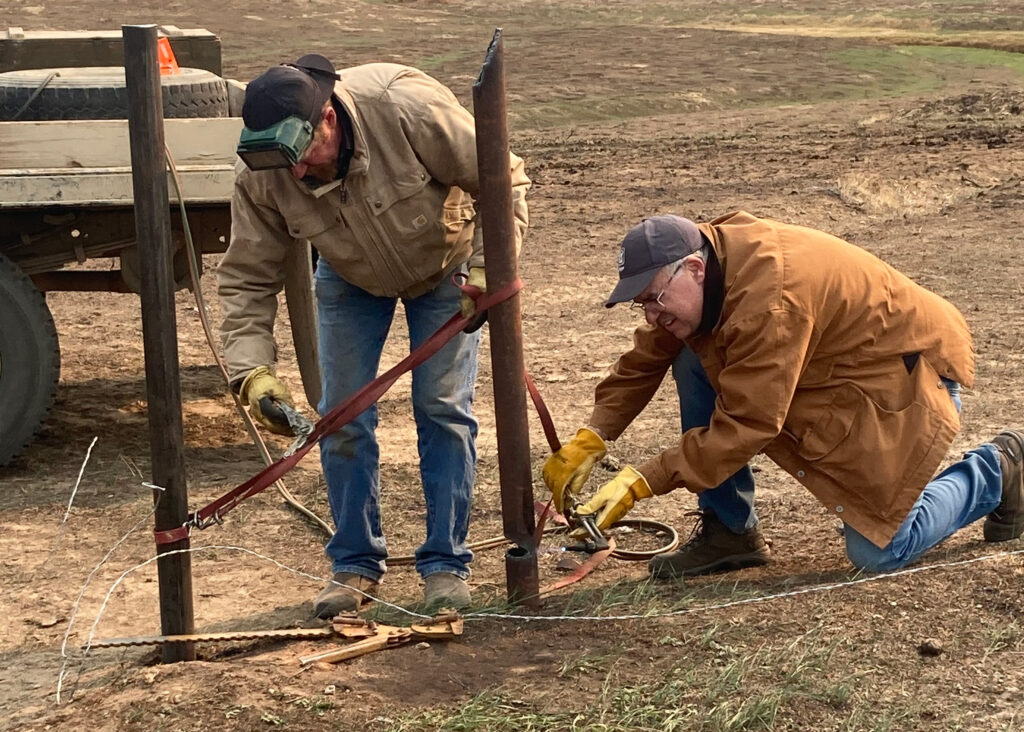
Christian and his father spent the year after the fire rebuilding $1 million of burned fencing using fire-resistant metal. “It’ll be a cold day in hell when I put another piece of wood in the ground,” he said. He’s also considering adopting virtual fencing—GPS collars that make noise then shock a cow if it strays into electronically cordoned-off areas. He plans to attend a symposium on virtual fencing this winter, and if he decides that the technology could work for him, it may one day allow him to dismantle much, if not all, of his fenceline.
Jake Christian reviews 2024’s House Draw fire, which wiped out 90,000 acres of his property. Credit: Jake Bolster/Inside Climate News
It took Jake Christian and his father close to a year to rebuild the burnt fenceline. Credit: Courtesy of Sara Christian
Though all their yearlings survived, the Christians had to sell about 80 after so much of the grazing land surrounding their home burned. Selling so many cattle was devastating, particularly for his wife, Sara.
“Right now I think of my life as before the fire and then after the fire,” she said.
Cottonwoods along the stream behind the Christians’ home showed no signs of new growth, and Christian was devastated to lose other trees, like the one his grandfather tended.
“It was so beautiful before,” he said as his truck rumbled past black tree trunk. “Seeing them all gone, I mean, there are so many of them … how do you replace a 100- or 200-year-old tree?”
About This Story
Perhaps you noticed: This story, like all the news we publish, is free to read. That’s because Inside Climate News is a 501c3 nonprofit organization. We do not charge a subscription fee, lock our news behind a paywall, or clutter our website with ads. We make our news on climate and the environment freely available to you and anyone who wants it.
That’s not all. We also share our news for free with scores of other media organizations around the country. Many of them can’t afford to do environmental journalism of their own. We’ve built bureaus from coast to coast to report local stories, collaborate with local newsrooms and co-publish articles so that this vital work is shared as widely as possible.
Two of us launched ICN in 2007. Six years later we earned a Pulitzer Prize for National Reporting, and now we run the oldest and largest dedicated climate newsroom in the nation. We tell the story in all its complexity. We hold polluters accountable. We expose environmental injustice. We debunk misinformation. We scrutinize solutions and inspire action.
Donations from readers like you fund every aspect of what we do. If you don’t already, will you support our ongoing work, our reporting on the biggest crisis facing our planet, and help us reach even more readers in more places?
Please take a moment to make a tax-deductible donation. Every one of them makes a difference.
Jake Bolster reports on Wyoming and the West for Inside Climate News. Previously, he worked as a freelancer, covering climate change, energy, and the environment across the United States. He holds a Masters in Journalism from Columbia University.
Great Job By Jake Bolster & the Team @ Inside Climate News Source link for sharing this story.
The AI industry entered 2025 with strong momentum.
There were 49 startups that raised funding rounds worth $100 million or more in 2024, per our count at TechCrunch; three companies raised more than one “mega-round,” and seven companies raised rounds that were $1 billion in size or larger.
The industry didn’t slow down in 2025. While less companies raised rounds larger than $1 billion, four — Anthropic raised two rounds over $1 billion — significantly more companies raised multiple rounds compared to 2024, eight.
How will 2026 compare? Elon Musk’s xAI announced a $20 billion Series E round and Sam Altman’s brain computer interface startup Merge Labs raised a $250 million seed round (with OpenAI as the lead investor) in the first few weeks of 2026, so signs point to another strong year. Of course, it’s still early; we’ll be watching to see if the momentum continues.
Here are all the U.S. AI companies that raised $100 million last year:
December:
Austin, Texas-based Mythic, which builds power-efficient compute for AI, raised a $125 million venture round that was led by DCVC. The round was announced on December 17 and included SoftBank, NEA and Linse Capital, among other investors.
Chai Discovery announced a $130 million Series B round on December 15. The round valued the company that builds AI models for biotech and drug discovery at $1.2 billion. Oak HC/FT and General Catalyst co-led the round.
Generative media platform Fal announced its third funding round of 2025 on December 9. This $140 million Series D round was led by Sequoia and valued the company at more than $4.5 billion.
Unconventional AI announced a monster $475 million seed round led by Lightspeed Venture Partners and Andreesen Horowitz on December 8. The round valued the one-year-old startup, which is rethinking the foundation of computers in the age of AI, at nearly $4.5 billion.
Boston-based 7AI, which builds cybersecurity AI agents, raised a $130 million Series A round that was announced on December 4. Index Ventures led the round with participation from Greylock, Spark Capital and CRV, among others.
November
All-in-one AI workspace platform Genspark announced a $275 million Series B round that valued the company at $1.25 billion on November 20. The round included Emergence Capital Partners, SBI Investment, and LG Technology Ventures, among others.
Luma AI, which builds models used for photo and video creation, raised $900 million in a Series C round that valued the startup at $4 billion. The round was led by Humain with participation from Andreessen Horowitz, AMD Ventures and Amplify Partners, among others.
Anysphere, the maker of viral vibe-coding platform Cursor, raised $2.3 billion in a funding round that valued the company at $29.3 billion. The round was announced on November 13 and is the company’s second funding round this year.
Parallel, which builds web infrastructure for AI agents, raised a $100 million Series A round that was announced on November 12. The round was co-led by Index Ventures and Kleiner Perkins.
Healthcare AI agent startup Hippocratic AI raised a $126 million Series C round that valued the company at $3.5 billion. The round was the company’s second this year, was announced on November 3, and was led by Avenir Growth.
October
Fireworks AI, a platform that allows users to build AI applications using open source models, raised a $250 million Series C round that was announced on October 28. The round valued the company at $4 billion.
Enterprise AI startup Uniphore is valued at $2.5 billion after a $260 million Series F round that was announced on October 22. The round included Snowflake Ventures, Nvidia, Databricks Ventures, and AMD, among others.
Sesame, a voice AI company, raised a $250 million Series B round co-led by Sequoia and Spark Capital. The round was announced on October 21 and also included SignalRank as a participant.
Cambridge, Massachusetts’s based OpenEvidence, which builds an AI chatbot for the medical field, raised its second funding round of 2025. The $200 million Series C round was announced on October 20 and valued the company at $6 billion.
Lila Sciences, which is looking to build a science superintelligence platform, announced its second funding round of 2025 on October 14. The $350 million Series A round was co-led by Braidwell and Collective Global.
DeepSeek competitor Reflection AI announced its second mega-round of the year on October 9. The $2 billion Series B round valued the company at $8 billion and was led by Nvidia.
EvenUp, which builds AI for the personal injury legal field, announced a $150 million Series E round that valued the company at more $2 billion on October 7. The round was led by Bessemer with participation from Lightspeed, Bain Capital and SignalFire, among others.
September
Periodic Labs, which is building an AI scientist, announced a $300 million seed round on September 30. Felicis and Andreessen Horowitz led the round with participation from Nvidia, Lightspeed, and Khosla Ventures, among others.
Cerebras Systems, an AI infrastructure company, raised a sizable $1.1 billion Series G round that valued the company at $8.1 billion. The round was announced on September 30 and was co-led by Fidelity and Atreides Management.
Modular announced a $250 million funding round on September 24. The round was led by US Innovative Technology Fund with participation from GV, Greylock, and General Catalyst, among others.
Distyl AI, which builds AI enterprise software, raised a $175 million Series B round that was announced on September 23. This round valued the startup at $1.8 billion and included investors like Khosla Ventures and Lightspeed.
AI infrastructure startup Upscale AI raised a sizable $100 million seed round that was co-led by Maverick Silicon and Mayfield. The round was announced on September 17 and also included StepStone Group, Stanford University, and Qualcomm Ventures, among others.
Groq, an AI inference company, raised a $750 million Series D-3 round that valued the company at nearly $6.9 billion. The round was announced on September 17 and was led by Disruptive.
AI training startup Invisible Technologies was valued at $2 billion after a $100 million fundraise that was announced on September 16. The raise was led by Vanara Capital with participation from Greycroft, Tallwoods Capital, and Freestyle Capital, among others.
Cognition AI, the creator of vibe-coding agent Devin, raised a $400 million Series C round that was announced on September 8. The round was led by Founders Fund and valued the company at $10.2 billion.
AI Infrastructure startup Baseten raised a $150 million Series D round that valued the company at $2.1 billion. The September 5 round was led by Bond with participation from CapitalG, IVP and Spark Capital, among others.
Bret Taylor’s customer service AI agent platform Sierraraised $350 million in a round led by Greenoaks Capital. This fundraise was announced on September 4 and valued Sierra at more than $10 billion.
You.com, a personalized AI search engine, raised a $100 million Series C round led by Cox Enterprises. The round was announced on September 3 and valued the company at $1.5 billion.
AI research lab Anthropic raised its second round of 2025 in September. Anthropic announced a $13 billion Series F round on September 2 that valued the company at $183 billion. The round was led by Iconiq, Fidelity, and Lightspeed.
August
Healthcare and housing automation platform EliseAIraised $250 million in a Series E round that valued the startup at $2.2 billion. The round, which was announced on August 20, was led by Andreessen Horowitz.
Decart, an AI research lab, raised $100 million at a $3.1 billion valuation. The round included Sequoia Capital, Benchmark, and Zeev Ventures, among others, and was announced on August 7.
July
Generative media platform Fal raised a $125 million Series C round led by Meritech Capital Partners. The company announced the round, which values Fal at $1.5 billion, on July 31. Salesforce Ventures, Shopify Ventures, Google AI Futures Fund, and others joined the round.
Five-year-old Ambience Healthcare, which is building an AI healthcare operating system, raised a $243 million Series C round that was led by Oak HC/FT and Andreessen Horowitz. Kleiner Perkins, OpenAI Startup Fund, Smash Capital, and others also participated in the round.
Reka AI, an AI research lab, raised $110 million in a round that included Snowflake and Nvidia. The Series B round was announced on July 22 and values the company at $1 billion.
AI research lab Thinking Machines Lab confirmed that it raised $2 billion on July 15. This sizable seed round was led by Andreessen Horowitz with participation from Nvidia, Accel, and AMD, among others. The round values the company at $12 billion.
Cambridge, Massachusetts-based OpenEvidence, which is building an AI-powered search tool for clinicians, raised $210 million at a $3.5 billion valuation. The Series B round was announced on July 15 and was led by Kleiner Perkins and GV.
Harmonic, which is building a mathematical reasoning engine, raised a $100 million Series B round led by Kleiner Perkins. The round was announced on July 10 and values the company at $875 million.
June
Healthcare AI unicorn Abridge announced it raised a $300 million Series E round that values the company at $5.3 billion. The round was led by Andreessen Horowitz with Khosla Ventures participating. It was the company’s second round of 2025.
Harvey, which builds AI tools for the legal industry, announced it raised its second $300 million round of 2025 on June 23. This latest Series E round was co-led by Kleiner Perkins and Coatue and brings the company’s valuation to $5 billion.
Healthcare AI startup Tennr announced it raised a $101 million Series C round led by IVP with participation from Lightspeed Venture Partners, GV, and Andreessen Horowitz, among others. The round values the company at $605 million.
Enterprise search startup Glean continues to rake in cash. The company announced a $150 million Series F round on June 10, led by Wellington Management with participation from Sequoia, Lightspeed Venture Partners, and Kleiner Perkins, among others. Glean is now valued at $7.25 billion.
Anysphere, the AI research lab behind AI coding tool Cursor, raised a sizable $900 million Series C round that values the company at nearly $10 billion. The round was led by Thrive Capital with participation from Andreessen Horowitz, Accel, and DST Global.
May
AI data labeling startup Snorkel AI announced a $100 million Series D round on May 29, valuing the company at $1.3 billion. The round was led by Addition with participation from Prosperity7 Ventures, Lightspeed Venture Partners, and Greylock.
LMArena, a popular, community-driven benchmarking tool for AI models, raised a $100 million seed round that valued the startup at $600 million. The round was announced on May 21 and was co-led by Andreessen Horowitz and UC Investments. Lightspeed Venture Partners, Kleiner Perkins, and Felicis also participated, among others.
Las Vegas-based AI infrastructure company TensorWave announced a $100 million Series A round on May 14. The round was co-led by Magnetar Capital and AMD Ventures with participation from Prosperity7 Ventures, Nexus Venture Partners, and Maverick Silicon.
April
SandboxAQ closed a $450 million Series E round on April 4 that valued the AI model company at $5.7 billion. The round included Nvidia, Google, and Bridgewater Associates founder Ray Dalio among other investors.
Runway, which creates AI models for media production, raised a $308 million Series D round that was announced on April 3, valuing the company at $3 billion. It was led by General Atlantic. SoftBank, Nvidia, and Fidelity also participated.
March
AI behemoth OpenAI raised a record-breaking $40 billion funding round that valued the startup at $300 billion. This round, which closed on March 31, was led by SoftBank with participation from Thrive Capital, Microsoft, and Coatue, among others.
On March 25, Nexthop AI, an AI infrastructure company, announced that it had raised a Series A round led by Lightspeed Venture Partners. The $110 million round also included Kleiner Perkins, Battery Ventures, and Emergent Ventures, among others.
Cambridge Massachusetts-based Insilico Medicineraised $110 million for its generative AI-powered drug discovery platform as announced on March 13. This Series E round valued the company at $1 billion and was co-led by Value Partners and Pudong Chuangtou.
AI infrastructure company Celestial AI raised a $250 million Series C round that valued the company at $2.5 billion. The March 11 round was led by Fidelity with participation from Tiger Global, BlackRock, and Intel CEO Lip-Bu Tan, among others.
Lila Sciences raised a $200 million seed round as it looks to create a science superintelligence platform. The round was led by Flagship Pioneering. The Cambridge, Massachusetts-based company also received funding from March Capital, General Catalyst, and ARK Venture Fund, among others.
Brooklyn-based Reflection.Ai, which looks to build superintelligent autonomous systems, raised a $130 million Series A round that values the 1-year-old company at $580 million. The round was led by Lightspeed Venture Partners and CRV.
AI coding startup Turing closed a Series E round on March 7 that valued the startup, which partners with LLM companies, at $2.2 billion. The $111 million round was led by Khazanah Nasional with participation from WestBridge Capital, Gaingels, and Sozo Ventures, among others.
Shield AI, an AI defense tech startup, raised $240 million in a Series F round that closed on March 6. This round was co-led by L3Harris Technologies and Hanwha Aerospace, with participation from Andreessen Horowitz and the US Innovative Technology Fund, among others. The round valued the company at $5.3 billion
AI research and large language model company Anthropic raised $3.5 billion in a Series E round that valued the startup at $61.5 billion. The round was announced on March 3 and was led by Lightspeed with participation from Salesforce Ventures, Menlo Ventures, and General Catalyst, among others.
February
Together AI, which creates open source generative AI and AI model development infrastructure, raised a $305 million Series B round that valued the company at $3.3 billion. The February 20 round was co-led by Prosperity7 and General Catalyst with participation from Salesforce Ventures, Nvidia, Lux Capital, and others.
AI infrastructure company Lambda raised a $480 million Series D round that was announced on February 19. The round valued the startup at nearly $2.5 billion and was co-led by SGW and Andra Capital. Nvidia, G Squared, ARK Invest, and others also participated.
Abridge, an AI platform that transcribes patient-clinician conversations, was valued at $2.75 billion in a Series D round that was announced on February 17. The $250 million round was co-led by IVP and Elad Gil. Lightspeed, Redpoint, and Spark Capital also participated, among others.
Eudia, an AI legal tech company, raised $105 million in a Series A round led by General Catalyst. Floodgate, Defy Ventures, and Everywhere Ventures also participated in the round in addition to other VC firms and numerous angel investors. The round closed on February 13.
AI hardware startup EnCharge AI raised a $100 million Series B round that also closed on February 13. The round was led by Tiger Global with participation from Scout Ventures, Samsung Ventures, and RTX Ventures, among others. The Santa Clara-based business was founded in 2022.
AI legal tech company Harvey raised a $300 million Series D round that valued the 3-year-old company at $3 billion. The round was led by Sequoia and announced on February 12. OpenAI Startup Fund, Kleiner Perkins, Elad Gil, and others also participated in the raise.
January
Synthetic voice startup ElevenLabs raised a $180 million Series C round that valued the company at more than $3 billion. It was announced on January 30. The round was co-led by Iconiq and Andreessen Horowitz. Sequoia, NEA, Salesforce Ventures, and others also participated in the round.
Hippocratic AI, which develops large language models for the healthcare industry, announced a $141 million Series B round on January 9. This round valued the company at more than $1.6 billion and was led by Kleiner Perkins. Andreessen Horowitz, Nvidia, and General Catalyst also participated, among others.
This piece was updated on April 23, June 18, August 27, November 26 and January 19, 2026 to include more deals.
Techcrunch event
San Francisco | October 13-15, 2026
This piece has been updated to remove that Abridge is based in Pittsburgh; the company was founded there.
Great Job Rebecca Szkutak & the Team @ TechCrunch Source link for sharing this story.
AUSTIN, Texas – Early indications from long range computer weather models are hinting at a wintry mix threat for the weekend.
What we know:
An Arctic front is scheduled to arrive on Friday.
At the same time, a Western Low will pump in moisture from the Pacific and push it above the cold air. This interaction will create clouds and more precipitation.
If it is cold enough, the cold rain could transition into freezing rain in the middle of the weekend.
What we don’t know:
The forecast is not set in stone yet since it is six days away.
Confidence is high we will have freezing weather and precipitation but low confidence on timing and type of precipitation.
The panic meter is on something to watch.
We have plenty of time to fine tune the forecast and iron out the details.
Dig deeper:
Across Texas
Anyone who has travel plans in Texas this week should pay close attention to the forecast as the winter storm impacts could be widespread.
While specifics on rain, snow, sleet and freezing rain are limited at this time, the dramatic drop in temperatures is much more certain.
Wintry weather could be seen across a large swath of Texas, as temperatures go from about 15 degrees above average for some places to as much as 30 degrees below average in the span of a day.
Bottom line for Texans, keep tabs on the weather forecast as details come into focus.
What you can do:
Track your local forecast for the Austin area quickly with the free FOX 7 WAPP.
The design gives you radar, hourly, and 7-day weather information just by scrolling.
Our weather alerts will warn you early and help you stay safe.
The Source: Information from meteorologist Zack Shields, FOX Weather and Aaron Barker.