Home News Page 34

The Global Ocean Treaty Enters into force and we’re celebrating with a mural!! – Greenpeace Australia Pacific

The Global Ocean Treaty Enters into force and we’re celebrating with a mural!! – Greenpeace Australia Pacific

Greenpeace unveils a large scale mural in Brisbane, Australia by award-winning artist Gus Eagleton. © Greenpeace

Big news for our ocean, the Global Ocean Treaty enters into force today 17th January. Bringing this landmark treaty to life allows governments to create marine sanctuaries in international waters. This people-powered win shows just how much we can achieve when we come together to demand ocean protection.

Because of you, and millions of others who have spoken up around the world, we now have the chance to create vast ocean sanctuaries in the high seas, safe havens where marine life can recover and flourish.

The Global Ocean Treaty is one of the most important international protection agreements in history and the first focused on conserving marine life on the high seas.

We’re celebrating with a mural in Brisbane

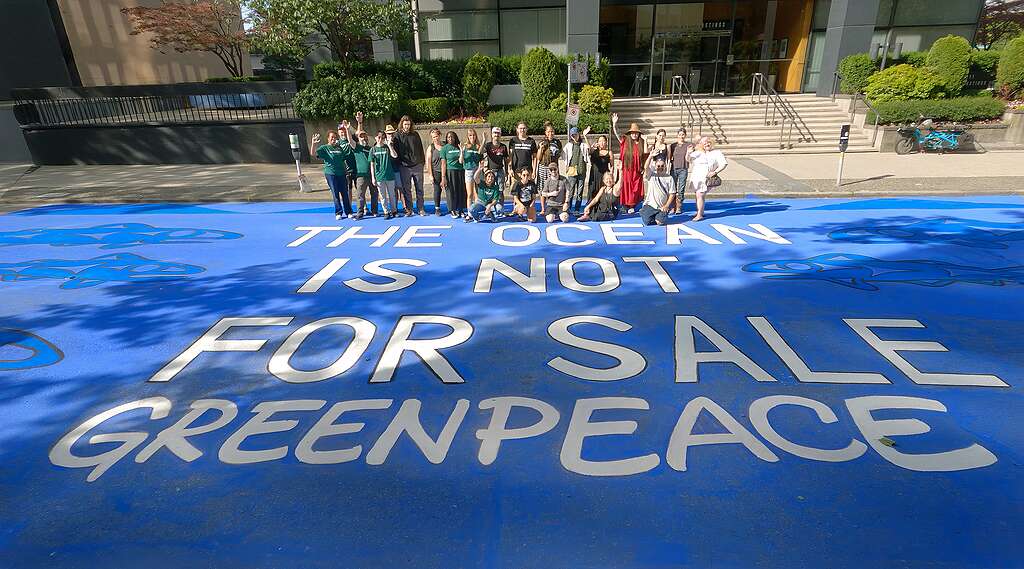
To mark this historic moment, we’re unveiling a powerful new mural on 17 January when the Global Ocean Treaty officially enters into force.

Created by acclaimed artist Gus Eagleton, the mural is located in New Farm, Brisbane,  just a stone’s throw from Environment Minister Murray Watt’s office, a deliberate reminder that Australia has the opportunity to lead on ocean protection, the world is watching, and the ocean can’t wait.

The artwork is both a celebration and a call to action. It captures the extraordinary diversity of ocean life in the Tasman sea. From deep corals to whales and seabirds, while also confronting the threats they face from industrial longline fishing. It tells a clear story: why ocean sanctuaries are urgently needed, and what’s at stake if we fail to act.

This mural exists to spark conversation, inspire hope, and send a loud, public message to decision-makers: Australia must step up and protect the high seas.

If you’re in Brisbane, we’d love you to check out the mural located on the corner of Brunswick St and Barker St, New Farm. Why not grab a couple of happy snaps and share them to socials and tag us!!!

The Global Ocean Treaty Enters into force and we’re celebrating with a mural!! – Greenpeace Australia Pacific
Greenpeace UK volunteers at the Kite Festival in Portsmouth © David Mirzoeff / Greenpeace

But here’s the catch: Australia still hasn’t ratified

Despite being one of the first countries to sign the treaty at the United Nations General Assembly in 2023, ratification has been delayed. This is cutting it fine if we want to hit the global goal of protecting 30% of our oceans by 2030. 

Less than 1% of the High Seas are currently fully or highly protected.

The treaty is crucial to expanding protection, establishing sanctuaries that help mitigate the climate crisis, and safeguarding food security for the billions who depend on ocean resources. Without it, the grim fate of our oceans is clear: more severe marine heatwaves, more loss of species and more ocean acidity. Time is running out.

The Rainbow Warrior exposed longline fishing and called on governments to ratify the Global Ocean Treaty. © Paul Hilton / Greenpeace

The Tasman Sea: Australia’s chance to lead

Our region has some of the most extraordinary oceans on Earth, but being surrounded by sea is meaningless if we fail to protect it. The Tasman Sea is home to unique and precious marine life, from whales to seabirds to deep and diverse ecosystems, but without strong safeguards, it remains vulnerable to destructive fishing including long lining and bottom trawling.

The Global Ocean Treaty gives us the tool we need to change that. If Australia ratifies early 2026, we can move quickly to propose one of the first ever high seas ocean sanctuaries, in the Tasman Sea. This would be a legacy making step for the Albanese Government, proving that Australia can be the ocean leader we aspire to be.

The Road to Oceans COP1

The first Conference of the Parties (COP1) under the Global Ocean Treaty is on track to take place in 2026, and it will be a defining moment for the future of the high seas. This meeting is critical to keeping the global goal of protecting 30% of the world’s oceans by 2030 within reach.

COP1 will focus on setting the technical and governance foundations that will shape high seas protection for decades. But there’s a problem: Australia must ratify the treaty to even have a seat at the table.

If Australia ratifies in time, it must come to COP1 ready to lead. That means:

  • Showing up as a constructive, ambitious, and science-driven voice
  • Supporting strong scientific standards for ocean protection
  • Rejecting loopholes that allow industrial fishing or extractive activities to continue in sanctuaries 
  • Declaring its intention to formally propose a Tasman Sea high seas sanctuary at COP2

This COP isn’t just another international meeting, it’s about writing the rules for how the high seas are protected for generations to come. 

‘The Ocean is Not for Sale’ Greenpeace mural . © Ollie Richards / Greenpeace

Add your voice

Thanks to people-power, the Global Ocean Treaty has become a reality. But unless Australia joins in, we risk being left behind and the Tasman Sea will remain unprotected.

Together, we can push the government to act with urgency. Sign the petition today and tell Minister Watt: Create a First-Generation Ocean Sanctuary in the Tasman Sea.

We need to keep the issue of ocean protection high on the government’s radar to create political momentum and get this treaty ratified. Following ratification, there is also the crucial task of making the case for marine protected areas, and specifically for the protection of the Lord Howe Rise and South Tasman Sea as one of the first sites protected under the Treaty. The Global Ocean Treaty is one of the most significant protection treaties in history, and it should be prioritised by Australia.

Great Job Elle Lawless & the Team @ Article – Greenpeace Australia Pacific Source link for sharing this story.

Rams shake off wild, late TD pass by Caleb Williams, beat Bears 20-17 in OT to reach NFC title game

Rams shake off wild, late TD pass by Caleb Williams, beat Bears 20-17 in OT to reach NFC title game

CHICAGO – Matthew Stafford and Sean McVay shot knowing glances at each other, then went to work on the drive that got the Los Angeles Rams one step away from the Super Bowl.

Stafford and the Rams survived an incredible throw by Caleb Williams that forced overtime, beating the Chicago Bears 20-17 on Sunday night to advance to the NFC championship game.

Harrison Mevis kicked a 42-yard field goal in OT after Kam Curl intercepted a deep pass by Williams on the Bears’ first possession of the extra period. Stafford glanced at his coach prior to the winning drive, then completed three passes for first downs — including a 16-yarder to Puka Nacua to get the Rams into field-goal range.

“I looked right at Sean, he looked right at me,” Stafford said. “And I’m like, ‘Here we go.’ That’s what it’s all about. What an unbelievable job by our defense today, getting us the ball over and over again. Whether it be fourth-down stops or turnovers, they were clutch and timely.”

So was Mevis.

The “Thiccer Kicker,” as he’s known, ended the Bears’ season. Teammates mobbed him while a crowd that was rocking earlier watched in near silence at the conclusion of a cold, snowy night.

The Rams (14-5) will visit NFC West rival Seattle next Sunday in their first trip to the conference championship game since the 2021 team won the Super Bowl. The Seahawks beat San Francisco 41-6 on Saturday.

“It was like, all right, the football gods are smiling on us,” McVay said. “The weather had calmed down. There wasn’t a lot of wind right there. … I was really happy for him, and I was very confident that he would make that.”

Los Angeles led 17-10 in the final minute of regulation and the Bears faced fourth-and-4 from the 14-yard line when Williams backpedaled to avoid the pass rush and heaved the ball to Cole Kmet for the tying touchdown with 18 seconds left. Although officially a 14-yard pass, the ball traveled 51.2 yards in the air, according to the NFL’s Next Gen Stats.

Bears coach Ben Johnson thought about trying for a go-ahead 2-point conversion but decided to send out Cairo Santos for the extra point.

Williams threw for two touchdowns but was intercepted three times as the Bears (12-7) — who pulled off seven fourth-quarter comeback wins in Johnson’s first season — came up short this time. They won the NFC North after finishing last in the division a year ago.

“Our guys are feeling it right now,” Johnson said. “They all believed, man. They all believed that we could find a way to win each and every week. And so it’s disappointing like that. I’m proud of the group. It’s a special group.”

Fireworks in the fourth

Stafford led a 91-yard touchdown drive in the fourth quarter, with Kyren Williams scoring from the 5 to give the Rams a 17-10 lead with 8:50 remaining. Nacua kept the possession going on the previous play with a 2-yard run on fourth-and-5.

The Bears then drove to the 2, but Omar Speights broke up Williams’ fourth-down pass to Luther Burden just inside the goal line.

Chicago got the ball back at midfield with just under two minutes remaining after Ethan Evans shanked a 33-yard punt, setting up Williams’ heroics.

Overtime gets off to slow start

In overtime, the Bears won the toss and deferred. They quickly got the ball back when the Rams went three-and-out. Los Angeles was forced to punt after Blake Corum got stopped for a 1-yard loss on third-and-1 at the 36.

Chicago took over at the 16. Williams kept the drive going with a 3-yard keeper on fourth-and-1 near midfield. But Curl picked off Williams’ pass intended for DJ Moore two plays later.

Stafford was 20 of 42 for 258 yards and took four sacks. Nacua had 56 yards receiving after going for 111 in a wild-card win over Carolina, and Kyren Williams ran for 87 yards and two scores.

“I definitely didn’t get into a great rhythm today, there’s no question about that,” said Stafford, who sprained the index finger on his throwing hand against the Panthers. “I had some opportunities in the pass game, just some things that made it tough. Obviously, I can be better. But playoff football is about winning the football game.”

Caleb Williams completed 23 of 42 passes for 257 yards. Moore had a touchdown catch, and D’Andre Swift ran for 76 yards.

“In these moments you feel that you let your team down, you feel this and that,” Williams said. “It’s a good lesson learned for us, first time being in this situation for me and for us as a team. I’m excited for what’s to come, but obviously going to go back and watch this and see how I can be better.”

Injuries

Rams: CB Emmanuel Forbes Jr. (shoulder) was hurt in the first half.

Bears: TE Colston Loveland (concussion) exited late in regulation.

Up next

Rams: Los Angeles and Seattle split two close games in the regular season, with the home team winning each time.

Bears: Prepare for next season.

___

AP NFL: https://apnews.com/hub/nfl

Copyright 2026 The Associated Press. All rights reserved. This material may not be published, broadcast, rewritten or redistributed without permission.

Great Job Andrew Seligman, Associated Press & the Team @ KSAT San Antonio Source link for sharing this story.

Harris’s Staff Questioned Whether Josh Shapiro Was an Israeli Double Agent

Harris’s Staff Questioned Whether Josh Shapiro Was an Israeli Double Agent

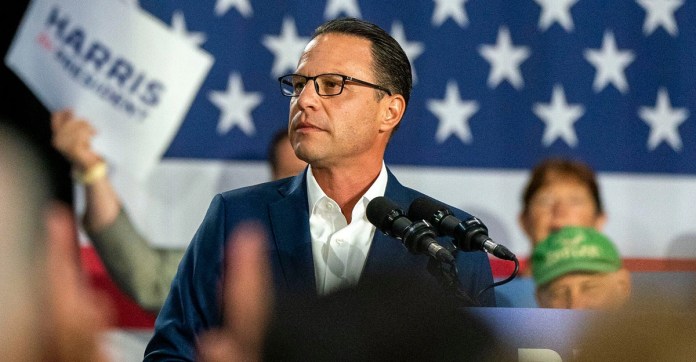
Pennsylvania Governor Josh Shapiro was already irritated by what he describes as “unnecessarily contentious” questions from the team vetting him to be Kamala Harris’s running mate when a senior aide made one final inquiry: “Have you ever been an agent of the Israeli government?”

The question came from President Biden’s former White House counsel Dana Remus, who was a key member of Harris’s vice-presidential search team.

Shapiro, one of the most well-known Jewish elected officials in the country—and one of at least three Jewish politicians considering a run for the 2028 Democratic presidential nomination—says he took umbrage at the question. “Had I been a double agent for Israel? Was she kidding? I told her how offensive the question was,” Shapiro writes in his forthcoming book, Where We Keep the Light, a copy of which The Atlantic obtained ahead of its release on January 27.

The exchange became even more tense, he writes, when Remus asked whether Shapiro had ever spoken with an undercover Israeli agent. The questions left the governor feeling uneasy about the prospect of being Harris’s No. 2, a role that ultimately went to Minnesota Governor Tim Walz. After Harris and Walz lost to Donald Trump, many Democrats were critical of her decision to bypass Shapiro, the popular governor of the nation’s largest swing state. In his book, Shapiro says that the decision may not have been fully hers; he says he had “a knot in my stomach” throughout a vetting process that was more combative than he had expected. Shapiro wrote that he decided to take his name out of the running after a one-on-one meeting with Harris that featured more clashes, including about Israel.

The account highlights some of the fault lines that Democrats are navigating as they try to put the 2024 campaign behind them and chart a path back to the White House. With his book, Shapiro aims to showcase why Democrats lost and how his brand of consensus-building politics can usher them back to power. But before the consensus building, it seems, Shapiro felt compelled to do some score settling.

Harris, after all, had written a surprisingly candid account of her truncated and, ultimately, tortured selection process for a running mate, and it did not make Shapiro look good. When my colleague Tim Alberta first informed Shapiro of Harris’s description of their meeting in her book, 107 Days, he grew uncharacteristically sharp-tongued. “That’s complete and utter bullshit,” he told Alberta. “I can tell you that her accounts are just blatant lies.” Shapiro is more measured in Where We Keep the Light, taking pains not to attack Harris herself and instead blaming her staff for probing him in a way that at times felt gratuitous.

“Remus was just doing her job,” Shapiro wrote about the Israeli-spy inquiry. “I get it. But the fact that she asked, or was told to ask that question by someone else, said a lot about some of the people around the VP.” (Remus and an aide to Harris did not respond to a request for comment.) In a statement, Shapiro’s spokesperson Manuel Bonder didn’t address the apparently unpleasant vetting process, and would only say that the governor had written “a very personal book” about his faith, his family, and what he has learned from a career of public service. He said the 2024 election was “one small part” of Shapiro’s “much broader story.”

Shapiro does not write about the vice-presidential search until near the end of his book, which otherwise serves up the standard fare of a pre-campaign-launch political memoir, tracing his rise from a childhood in suburban Philadelphia to the governorship of the nation’s fifth-most-populous state. Shapiro writes about the importance of his Jewish faith, his role pursuing justice for survivors of sexual abuse in the Catholic Church, his admiration for—and early support of—President Obama, and the astute political instincts of his wife and adviser, Lori.

The book opens with the harrowing firebombing of the governor’s mansion on Passover last year by a man who later told prosecutors that he blamed Shapiro for the deaths of Palestinians in Gaza. Shapiro and his family had to flee the home, which suffered significant damage from the fire, in the middle of the night after being alerted by a state trooper. The governor writes that his willingness to publicly embrace his Jewish faith before and after the attack has been welcomed by people of various religious backgrounds, suggesting that his experience as part of an observant Jewish family would be a prominent part of any run for the presidency.

Where We Keep the Light is typical of the sort of memoir that candidates release before running for president. In it, Shapiro extols the virtues of using politics to improve people’s lives. He also makes subtle but clear policy distinctions between himself and other prominent members of his party, including some eyeing the party’s presidential nomination.

He gets ahead of some of the major questions that Democrats are likely to face in the 2028 primary, writing, for example, that he would have handled coronavirus lockdowns differently, that he did not support the defund-the-police rhetoric in the summer of 2020, and that he privately suggested to Biden that he should consider dropping out of the presidential race after an abysmal debate performance against Trump. He also defends his support for cutting taxes and his more permissive stance on fossil fuels, policies that put him outside the mainstream of the Democratic political class. He writes that anti-Semitism has become “much scarier, much more real” in recent years and suggests a clear distinction between free speech and protest activity that veers into intimidation.

But the governor also devotes several pages to providing his side of the story from the 2024 search for a vice-presidential candidate, after Harris wrote a detailed account of the traditionally secretive process, which included a less-than-warm meeting with Shapiro.

Their sit-down on August 4, 2024, took place shortly after Shapiro got off the phone with Remus, telling her that he had no way of knowing if he had ever communicated with an undercover Israeli agent.

Harris wrote that before they met at the Naval Observatory, Shapiro asked staff there about how many bedrooms the compound had and whether the Smithsonian might loan him art to decorate the place. The unmistakable implication was that the governor, seen by some Democrats as an ambitious operator with his eye on the presidency, was already measuring the drapes before being selected for the No. 2 role. Shapiro, not surprisingly, offers a different take, writing that his brief discussion with staff from the residence was only “small talk” that had been “analyzed, misrepresented, and picked apart by members of the vice president’s team.”

After Harris and Shapiro sat down, in a dining room that had been cleared of most furniture other than two chairs and a table, there was little in the way of small talk or pleasantries. Each described the conversation as blunt, lacking the traditional warmth of two people trying to determine if a four-year partnership would work. Their discussion was especially tense when Harris asked Shapiro if he would apologize for some of his comments about protesters at the University of Pennsylvania who had built encampments to decry Israel’s military campaign in Gaza and, in some cases, intimidated Jewish students.

Shapiro wrote that he “flatly” told Harris that he would not. It was one of several times he claims that he had to stand his ground after Harris’s team brought up issues on which he had taken a different stance from hers and asked if he would be willing to apologize or otherwise make a public about-face.

Shapiro wrote that he understood the campaign’s desire to probe his background and policy positions, but “didn’t see anything wrong with not aligning perfectly” with Harris on all issues, adding that “they weren’t going to expand her universe by doing the exact same thing that she had been doing all these years.”

He told Harris’s team that he respected their role and was submitting willingly to the vetting process, but he was “not going to apologize for who I am or for the positions I’ve taken over the years.”

“It nagged at me that their questions weren’t really about substance,” he wrote. “Rather, they were questioning my ideology, my approach, my world view.”

After the back-and-forth on policy, Shapiro asked Harris some questions of his own, probing for a sense of what kind of role she wanted her vice president to play. Harris, he wrote, described her own experience as vice president in stark terms, saying she had had a rough time in a position that had little autonomy or executive authority.

“I was surprised by how much she seemed to dislike the role,” he wrote. “She noted that her chief of staff would be giving me my directions, lamented that the vice president didn’t have a private bathroom in their office, and how difficult it was for her at times not to have a voice in the decision making.”

Shapiro said he tried to make a case for a more equitable partnership, with the vice president having unimpeded access to the president and the ability to weigh in on decisions before they were made. “I told him bluntly that was an unrealistic expectation,” Harris wrote in 107 Days. “A vice president is not a co-president. I had a nagging concern that he would be unable to settle for a role as number two and that it would wear on our partnership.”

The disagreement over the role ultimately left both politicians feeling that a Harris-Shapiro ticket, for all its electoral promise, may not be a good fit. “It could have gone differently, had I left that meeting thinking that she would want a partner and someone to bounce things off of before she ultimately made her decisions,” Shapiro wrote. “There was a world in which it could have worked, but that was not this world.”

Shapiro eventually returned to Pennsylvania with his mind made up—though not before Remus spoke with him again, he writes, and suggested that the role of vice president might be a financial burden for him and his wife: Shapiro’s financial vetting showed that he didn’t have much money, and the vice presidency would require Lori to buy a new wardrobe and pay the costs for second-lady-level hair and makeup, even as the couple would be required to pay for food and entertainment at the vice president’s residence.

Shapiro said he was taken aback: “Are you trying to convince me not to do this?” he recalls asking. Remus responded that she just wanted him to be sure this was something he wanted. In the end, Shapiro wrote, he realized that it was not.

Harris later wrote that her first choice for vice president was actually Transportation Secretary Pete Buttigieg, but felt it was “too big of a risk” to add a gay man to a ticket led by a Black woman with a Jewish husband.

With Shapiro, Harris, and Buttigieg all on a list of potential presidential hopefuls in 2028, the vice-presidential selection process from 2024 is reemerging at a key moment.

As much as Democrats would like to turn the page on the presidential race that ushered Trump back into the White House, Shapiro’s book offers another opportunity to pick apart one of the most pivotal decisions of the 2024 campaign. And it likely isn’t the final word on the vetting process. The second leg of Harris’s book tour is scheduled to start on February 2.


Great Job Toluse Olorunnipa & the Team @ The Atlantic Source link for sharing this story.

10 Meaningful Ways To Observe MLK Day of Service & Make An Impact

10 Meaningful Ways To Observe MLK Day of Service & Make An Impact

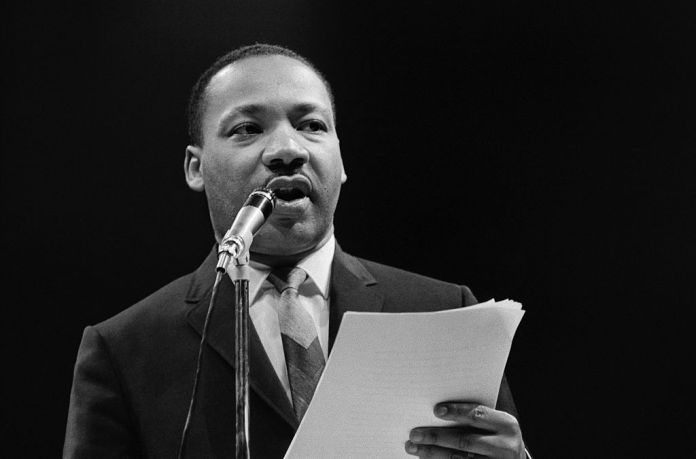
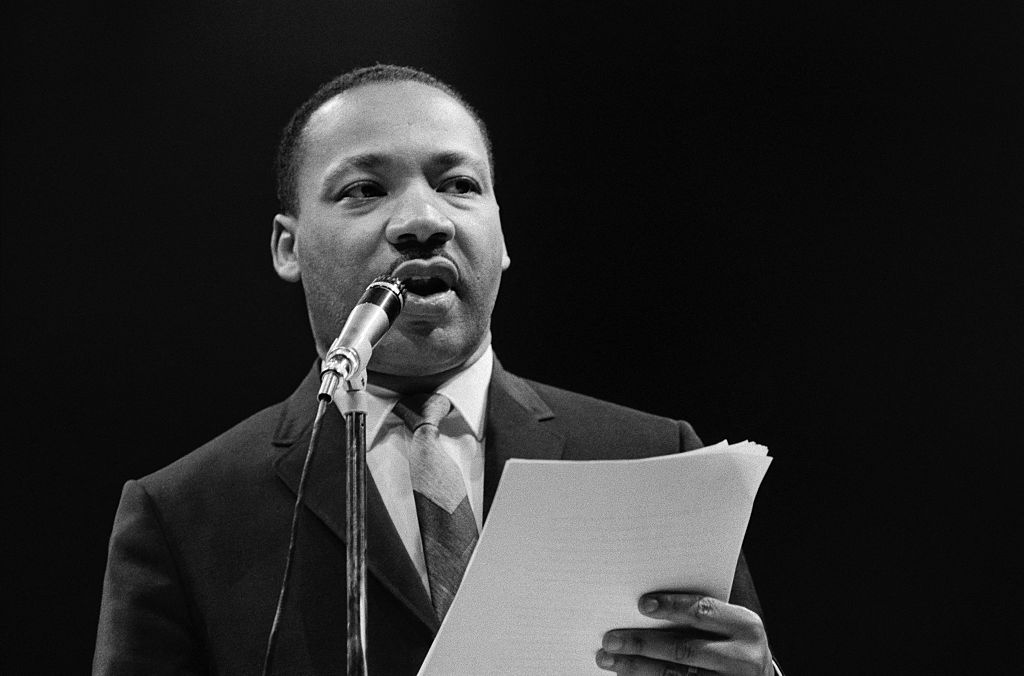
Source: Universal History Archive / Getty

Martin Luther King Day—more specifically, Martin Luther King Day of Service—is right around the corner. Every year, the holiday gives us a moment to pause, reflect, and tap back into the legacy of Dr. Martin Luther King Jr., one of the most influential civil rights leaders this country has ever known. Dr. King wasn’t just about powerful speeches and historic marches; he was about action, community, and showing up for one another in real, tangible ways.

Dr. King’s birthday became a federal holiday in 1983, with the first official observance taking place in 1986. Years later, Congress designated it as a “Day of Service,” shifting the focus from a day off to a day on. The idea is simple but powerful: instead of just honoring Dr. King with words, we honor him through service. By giving back, helping others, and strengthening our communities, we live out the values he fought for.

On MLK Day of Service, communities across the country come together to volunteer, organize, donate, and uplift. From food drives and marches to teach-ins and mentorship programs, the day is all about collective impact. It’s one of the few holidays rooted in the idea that change doesn’t just come from the top – it comes from everyday people doing what they can, where they are.

What makes this day especially meaningful is that anyone can participate. You don’t need a big platform, a lot of money, or a large group to make a difference. Whether you’re moving solo, with friends, or as part of an organization, there are countless ways to show up and serve with purpose. Even small actions can ripple outward and create real change.

If you’re looking for ways to get involved this year, here are 10 meaningful ways to observe MLK Day of Service and make an impact – all rooted in community, intention, and love for the people.

10 Meaningful Ways To Observe MLK Day of Service & Make An Impact
Source: – / Getty

1. Volunteer At Local Shelters & Food Banks

Spend the day serving meals, organizing donations, or helping families in need. It’s one of the most direct ways to support your community and meet people where they are.

Grab some gloves, trash bags, and a few friends to clean up a park, a block, or a neighborhood. A cleaner environment shows care, pride, and respect for where we live.

3. Mentor A Youth Or Student

Offer guidance, encouragement, or academic support to a young person. Your lived experience and advice could be exactly what they need to stay motivated and focused.

4. Donate To Civil Rights Or Social Justice Organizations

Even with limited time, giving financially is still impactful. Supporting organizations that fight for equity helps sustain long-term change beyond one day.

5. Host Educational Events Or Discussions

Create space for conversation around Dr. King’s legacy, civil rights history, or current social issues. Knowledge-sharing keeps the movement alive and evolving.

6. Support Black-Owned Businesses

Put your dollars where your values are. Shopping Black helps circulate money within the community and supports entrepreneurs building generational wealth.

7. Create Care Packages For Essential Workers

Assemble bags with snacks, hygiene items, or thank you notes for healthcare workers, teachers, or first responders. A small gesture can go a long way.

8. Advocate For Policy Change Or Attend Rallies

Use your voice by calling representatives, signing petitions, or attending peaceful demonstrations. Civic engagement is a key way to honor Dr. King’s work.

9. Use Social Media To Spread Awareness & Inspire Action

Share resources, volunteer opportunities, or educational content. Your post might motivate someone else to get involved or think differently.

10. Commit To A Year-Round Service Plan

Martin Luther King Day is a starting point, not the finish line. Choose one cause you care about and find ways to serve consistently throughout the year.

MLK Day of Service reminds us that change isn’t seasonal – it’s a lifestyle. However you choose to participate, the goal is to move with intention, compassion, and community at the center. That’s how we truly honor the dream!

SEE ALSO:

Breaking Down The Conspiracy Theories Surrounding The Assassination Of MLK

OpenAI Bans MLK Deepfakes On Sora 2 At Family’s Request 


10 Meaningful Ways To Observe Martin Luther King Day Of Service & Make An Impact
was originally published on
newsone.com

Great Job Davonta Herring & the Team @ Black America Web Source link for sharing this story.

iPhone 18 Pro Design and Specs Leak Online: Here’s What the Video Reveals

iPhone 18 Pro Design and Specs Leak Online: Here’s What the Video Reveals

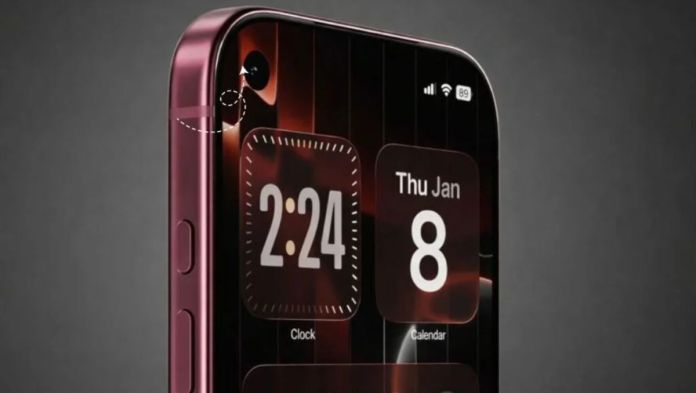
The iPhone 18 Pro leaks are starting to look increasingly credible, even though Apple’s launch is still months away. A new leak from well-known Apple tipster Jon Prosser of Front Page Tech offers a closer look at the alleged iPhone 18 Pro design along with key hardware details. The video discusses expected changes to the display, overall design, and camera setup, giving an early glimpse of what Apple could be planning for its next Pro iPhone.

The latest iPhone 18 Pro leak video shared by Jon Prosser suggests a major design shift, most notably the removal of the wide Dynamic Island cutout. Instead, Apple is said to be adopting a punch-hole design, with Face ID sensors reportedly moved under the display. This change has appeared in earlier rumours and, if true, would mark a significant technological leap for Apple’s biometric system.

ALSO SEE: Croma Republic Day Sale: iPhone 17 Drops to Rs 47,990, Galaxy S25 Ultra at Rs 79,999

Prosser also claims that the Dynamic Island will continue to exist but will now function beneath the smaller cutout, a change that could redefine how Apple presents live activities and alerts. Apart from this front-facing redesign, the iPhone 18 Pro is expected to retain a familiar look, with the camera island design introduced in the iPhone 17 Pro series likely returning on the next model.

On the hardware front, the iPhone 18 Pro is tipped to be powered by Apple’s next-generation A20 Pro chipset, paired with up to 16GB of RAM to better support upcoming AI-driven features. Apple is also rumoured to upgrade connectivity with a new C2 modem, which could deliver faster speeds and improved network performance.

Camera upgrades could be another major highlight, with leaks pointing to a variable aperture system aimed at improving image quality across lighting conditions. The video further mentions new colour options such as burgundy, brown, and purple, hinting at a refreshed palette. While Prosser has a strong track record with Apple leaks, these details should still be taken cautiously, as the launch remains many months away.

ALSO SEE: Blaupunkt BH71 Moksha Brings Hybrid ANC, Gyro Head Tracking to India: Check Price

Great Job Priya Singh & the Team @ Mashable India tech Source link for sharing this story.

Tax break possible for San Antonio plant that could create 3,000 jobs

Tax break possible for San Antonio plant that could create 3,000 jobs

Sign up for TPR Today, Texas Public Radio’s newsletter that brings our top stories to your inbox each morning.

Fremont, California-based Industrial Electric Manufacturing is seeking a 70% property tax break over ten years to build a South Side facility that could bring nearly 3,000 jobs.

The tax break’s total value is worth more than $1.5 million.

The company plans a $200 million-dollar local investment related to a new manufacturing plant at Brooks City Base. The company describes itself as the largest independent electrical equipment manufacturer in North America.

Bexar County commissioners will consider the proposal during their meeting at the county courthouse at 9 a.m. on Tuesday.

In other action on Tuesday, commissioners are expected to:

  • Hear biannual and annual reports from the county’s sexual assault response team and commission on domestic violence, respectively.
  • Consider funding for road improvements, including a $28 million dollar contract for Dan Williams Company for construction on Blanco Road, from Borgfeld to the Bexar/Comal County line. Plans call for the two-lane road to be expanded to four lanes. Bike and pedestrian amenities are also planned.
  • Consider approving a nearly $9 million dollar agreement with SpawGlass Contractors for the MacDona Plaza Park construction.
  • Consider approving A $250,000 grant for the San Antonio Food Bank to provide food assistance programs to underserved residents in a 29-county area.
  • Consider a budget transfer of $111,000 for the county parks and creation department to celebrate America 250 at Mission County Park in July. America’s birthday would be marked by music, a carnival, activities for kids, and a fireworks show, if the transfer is approved.
  • Recognize by proclamation, the month of January as Cervical Health Awareness Month in honor of the late Precinct 4 Bexar County Judge Michelle Garcia.

Great Job Brian Kirkpatrick & the Team @ Texas Public Radio for sharing this story.

Sequoia to invest in Anthropic, breaking VC taboo on backing rivals: FT | TechCrunch

Sequoia to invest in Anthropic, breaking VC taboo on backing rivals: FT | TechCrunch

Sequoia Capital is reportedly joining a blockbuster funding round for Anthropic, the AI startup behind Claude, according to the Financial Times. It’s a move sure to turn heads in Silicon Valley.

Why? Because venture capital firms have historically avoided backing competing companies in the same sector, preferring to place their bets on a single winner. Yet here’s Sequoia, already invested in both OpenAI and Elon Musk’s xAI, now throwing its weight behind Anthropic, too.

The timing is particularly surprising given what OpenAI CEO Sam Altman said under oath last year. As part of OpenAI’s defense against Musk’s lawsuit, Altman addressed rumors about restrictions in OpenAI’s 2024 funding round. While he denied that OpenAI investors were broadly prohibited from backing rivals, he did acknowledge that investors with ongoing access to OpenAI’s confidential information were told that access would be terminated “if they made non-passive investments in OpenAI’s competitors.” Altman called this “industry standard” protection (which it is) against misuse of competitively-sensitive information.

According to the FT, Sequoia is joining a funding round led by Singapore’s GIC and U.S. investor Coatue, which are each contributing $1.5 billion. Anthropic is aiming to raise $25 billion or more at a $350 billion valuation — more than double its $170 billion valuation from just four months ago. The WSJ and Bloomberg had earlier reported the round at $10 billion. Microsoft and Nvidia have committed up to $15 billion combined, with VCs and other investors said to be contributing another $10 billion or more.

The Sequoia connection with Altman runs deep. When Altman dropped out of Stanford to start Loopt, Sequoia backed him. He later became a “scout” for Sequoia, introducing the firm to Stripe, which became one of the firm’s most valuable portfolio companies. Sequoia’s new co-leader Alfred Lin and Altman also appear comparatively close. Lin has interviewed Altman numerous times at Sequoia events, and when Altman was briefly ousted from OpenAI in November 2023, Lin publicly said he’d eagerly back Altman’s “next world-changing company.”

While Sequoia’s investment in xAI might seem to have already contradicted the traditional VC approach of picking winners, that bet is widely viewed as less about backing an OpenAI competitor and more about deepening the firm’s extensive ties to Elon Musk. Sequoia invested in X when Musk bought Twitter and rebranded it, is an investor in SpaceX and The Boring Company, and is a major backer of Neuralink, Musk’s brain-computer interface company. Former longtime Sequoia leader Michael Moritz was even an early investor in Musk’s X.com, which became part of PayPal.

Sequoia’s apparent reversal on portfolio conflicts is especially glaring given its historical stance. As we reported in 2020, the firm took the extraordinary step of walking away from its investment in payments company Finix after determining the startup competed with Stripe. Sequoia forfeited its $21 million investment, letting Finix keep the money while giving up its board seat, information rights, and shares, marking the first time in the firm’s history it had severed ties with a newly funded company over a conflict of interest. (Sequoia had led Finix’s $35 million Series B round just months earlier.)

Techcrunch event

San Francisco
|
October 13-15, 2026

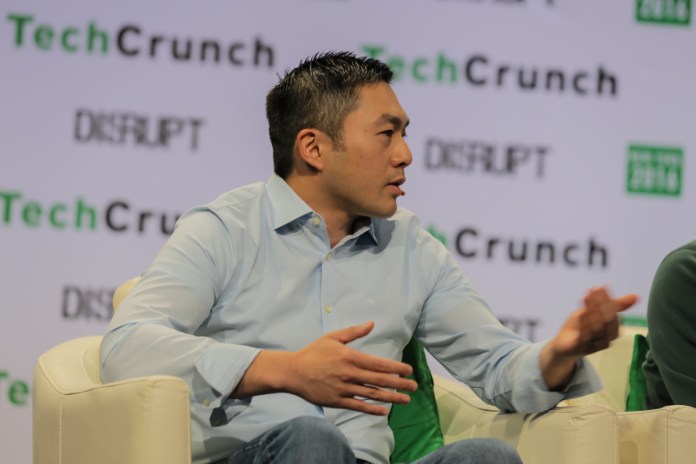
The reported Anthropic investment comes after dramatic leadership changes at Sequoia, where the firm’s global steward, Roelof Botha, was pushed out in a surprise vote this fall just days after sitting down with this editor at TechCrunch Disrupt, with Lin and Pat Grady — who’d led that Finix deal — taking over.

Anthropic is reportedly preparing for an IPO that could come as soon as this year. We’ve reached out to Sequoia Capital for comment.

Great Job Connie Loizos & the Team @ TechCrunch Source link for sharing this story.

‘She’s Vile!’: Karoline Leavitt Tries to Play Off Trump’s ‘Cancel the Elections’ Talk as a Joke — Then Snaps When a Reporter Forces Her to Explain It

‘She’s Vile!’: Karoline Leavitt Tries to Play Off Trump’s ‘Cancel the Elections’ Talk as a Joke — Then Snaps When a Reporter Forces Her to Explain It

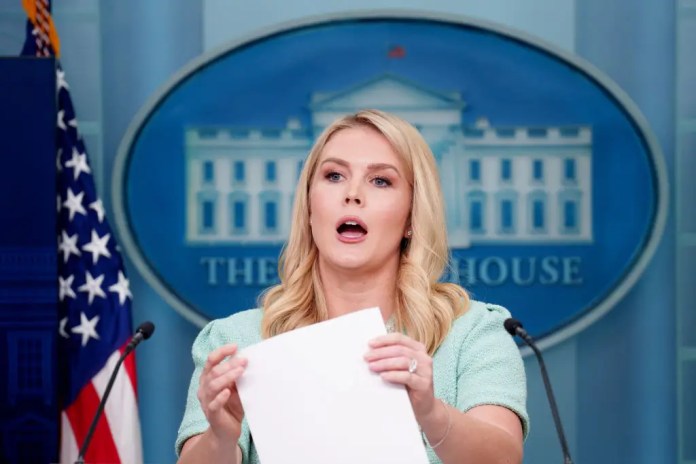
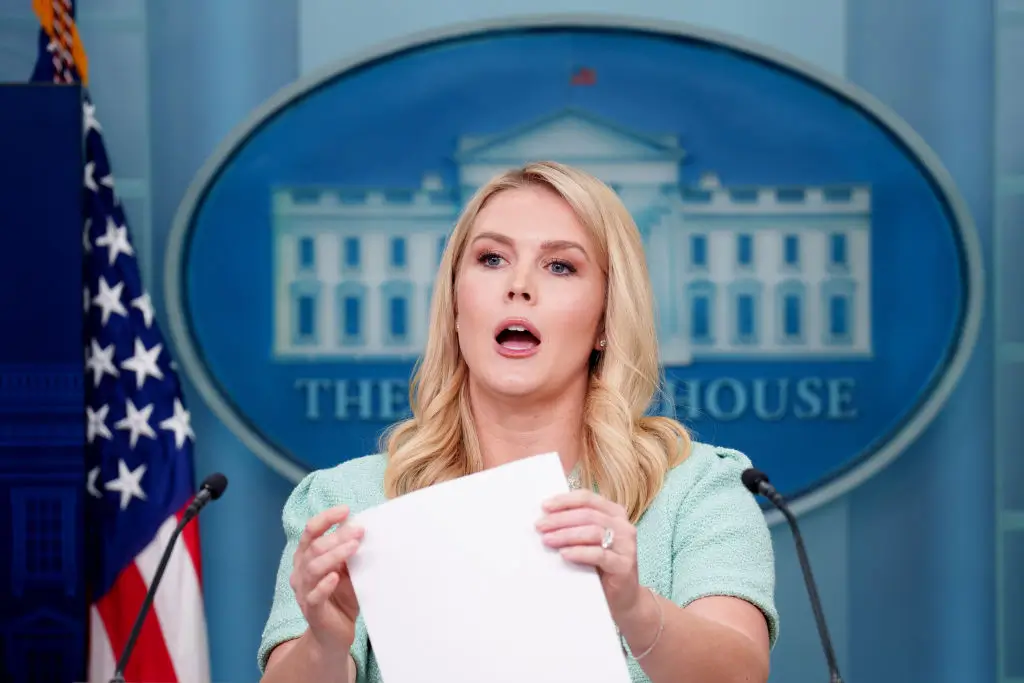
White House Press Secretary Karoline Leavitt is trying to convince Americans that President Donald Trump doesn’t really mean what he says, but reporters are holding her feet to the fire when it comes to remarks Trump made in a recent interview when he mused, “We shouldn’t even have an election.”

At the daily press briefing Thursday, Jan. 15, two reporters pressured Leavitt to explain why Trump would even say that and what exactly he meant.

‘She’s Vile!’: Karoline Leavitt Tries to Play Off Trump’s ‘Cancel the Elections’ Talk as a Joke — Then Snaps When a Reporter Forces Her to Explain It
White House Press Secretary Karoline Leavitt speaks during the daily press briefing at the White House on March 11, 2025, in Washington, DC. Leavitt discussed deportations, the economy, Canada, and other topics. (Photo by Andrew Harnik/Getty Images)

Trump on Tuesday, Jan. 6, during a speech to Republicans at the Kennedy Center as part of the GOP’s annual retreat, the President made several startling remarks, including “they should cancel the elections.”

He tried to characterize his comments as a diss on Democrats, according to Time Magazine.

“They have the worst policy,” he complained.

“How we have to even run against these people—I won’t say cancel the election, they should cancel the election, because the fake news would say, ‘He wants the elections canceled. He’s a dictator.’ They always call me a dictator,” the president whined.

‘A Complete Moron’: Trump Boasts He Finally Got What He’s Been Obsessing Over — Then Stumbles Over the One Detail He Should’ve Known

He also grumbled about his polling numbers as his approval rating hovers around 40 percent, expressing worry that if the Democrats take back the House and Senate during the upcoming mid-terms they’ll “impeach him.”

“I wish you could explain to me what the hell is going on with the mind of the public because we have the right policy,” Trump insisted. 

“You gotta win the midterms. Because if we don’t win the midterms, they’ll find a reason to impeach me,” he groused, Time reported. “I’ll get impeached.”

Then, in a closed-door interview with Reuters on Wednesday, Jan. 14, Trump again mentioned canceling the elections. At the press briefing, Leavitt told one reporter who asked about the comments that the President was “joking.”

“The president was simply joking,” Leavitt insisted. “Obviously, he was saying, ‘We’re doing such a great job, we’re doing everything the American people thought, maybe we should just keep rolling.’ But he was speaking facetiously.”

But the issue wouldn’t go away as another reporter pressed her again about what Trump meant when he mused about canceling the elections.

“You said that he was joking about canceling the elections, but Americans, for generations, have fought and died for democracy, for this democracy. Are you saying the president finds the idea of canceling elections funny?” The Independent reporter Andrew Feinberg asked.

That’s when Leavitt had had enough and snapped.

“Were you in the room, Andrew? No, you weren’t. I was in the room. I heard the conversation, and only someone like you would take that so seriously and pose it as a question that way,” she huffed.

Social media called her out on it.

“He doesn’t joke,” Threads poster Ila Coretti pointed out. “Good god she’s vile,” a Threads user stated.

Another agreed, “I’m so sick of her arrogant, snarky attitude. She doesn’t deserve to be at the podium.”

Another concern Democrats and Trump critics have is Trump continuing to insinuate he can run for a third term. U.S. Presidents can only serve two terms in office. The 22nd Amendment to the Constitution limits a president to eight years as commander in chief.

In an interview with NBC News last March, Trump said there were ways for him to stay in office and that he was “not joking.”

“A lot of people want me to do it,” he insisted to NBC. “But, I mean, I basically tell them we have a long way to go, you know, it’s very early in the administration.”

Trump said, “I like working” when NBC asked him if he wanted another term.

“I’m not joking,” he said before admitting it was too soon to think about it.”

But he was very clear that he actually had been thinking about and even discussing it with others.

“There are methods which you could do it.”

One of those being floated is that Vice President JD Vance wins the 2028 election, then steps aside for Trump — which is not constitutional — but the president refused to reveal to NBC what they were other than to say, “But there are others, too.”

Great Job Shelby E. & the Team @ Atlanta Black Star Source link for sharing this story.

An AI-generated version of Trump’s voice is used an ad that promises an ‘all new Fannie Mae’ to tackle housing affordability | Fortune

An AI-generated version of Trump’s voice is used an ad that promises an ‘all new Fannie Mae’ to tackle housing affordability | Fortune

What sounds like President Donald Trump narrating a new Fannie Mae ad actually is an AI-cloned voice reading text, according to a disclaimer in the video.

The voice in the ad, created with permission from the Trump administration, promises an “all new Fannie Mae” and calls the institution the “protector of the American Dream.” The ad comes as the administration is making a big push to show voters it is responding to their concerns about affordability, including in the housing market.

Trump plans to talk about housing at his appearance at the World Economic Forum in Davos, Switzerland, where world leaders and corporate executives meet this week.

This isn’t the first time a member of the Trump family has used AI to replicate their voice, First Lady Melania Trump recently employed AI technology firm Eleven Labs to help voice the audio version of her memoir. It’s not known who cloned President Trump’s voice for the Fannie Mae ad.

The White House did not respond to a request for comment.

Last month, Trump pledged in a prime-time address that he would roll out “some of the most aggressive housing reform plans in American history.”

“For generations, home ownership meant security, independence, and stability,” Trump’s digitized voice says in the one-minute ad aired Sunday. “But today, that dream feels out of reach for too many Americans not because they stopped working hard but because the system stopped working for them.”

Fannie Mae and its counterpart Freddie Mac, which have been under government control since the Great Recession, buy mortgages that meet their risk criteria from banks, which helps provide liquidity for the housing market. The two firms guarantee roughly half of the $13 trillion U.S. home loan market and are a bedrock of the U.S. economy.

The ad says Fannie Mae will work with the banking industry to approve more would-be homebuyers for mortgages.

Trump, Bill Pulte, who leads the Federal Housing Finance Agency, and others have said they want to sell shares of Fannie Mae and Freddie Mac on a major stock exchange but no concrete plans have been set.

Trump and Pulte have also floated extending the 30-year mortgage to 50 years in order to lower monthly payments. Trump appeared to back off the proposal after critics said a longer-term loan would reduce people’s ability to create housing equity and increase their own wealth.

Trump also said on social media earlier this month that he was directing the federal government to buy $200 billion in mortgage bonds, a move he said would help reduce mortgage rates at a time when Americans are anxious about home prices. Trump said Fannie Mae and Freddie Mac have $200 billion in cash that will be used to make the purchase.

Earlier this month, Trump also said he wants to block large institutional investors f rom buying houses, saying that a ban would make it easier for younger families to buy their first homes.

Trump’s permission for the use of AI is interesting given that he has complained about aides in the Biden administration using autopen to apply the former president’s signature to laws, pardons or executive orders. An autopen is a mechanical device that is used to replicate a person’s authentic signature.

However, a report issued by House Republicans does not include any concrete evidence that autopen was used to sign Biden’s name without his knowledge.

Great Job Anne D’Innocenzio, The Associated Press & the Team @ Fortune | FORTUNE Source link for sharing this story.

Trump’s voice in a new Fannie Mae ad is generated by artificial intelligence, with his permission

Trump’s voice in a new Fannie Mae ad is generated by artificial intelligence, with his permission

NEW YORK – What sounds like President Donald Trump narrating a new Fannie Mae ad actually is an AI-cloned voice reading text, according to a disclaimer in the video.

The voice in the ad, created with permission from the Trump administration, promises an “all new Fannie Mae” and calls the institution the “protector of the American Dream.” The ad comes as the administration is making a big push to show voters it is responding to their concerns about affordability, including in the housing market.

Trump plans to talk about housing at his appearance at the World Economic Forum in Davos, Switzerland, where world leaders and corporate executives meet this week.

This isn’t the first time a member of the Trump family has used AI to replicate their voice, First Lady Melania Trump recently employed AI technology firm ElevenLabs to help voice the audio version of her memoir. It’s not known who cloned President Trump’s voice for the Fannie Mae ad. But ElevenLabs said in an email to The Associated Press on Sunday that the audio of Trump’s voice wasn’t generated by the company.

The White House did not respond to a request for comment.

Last month, Trump pledged in a prime-time address that he would roll out “some of the most aggressive housing reform plans in American history.”

“For generations, home ownership meant security, independence, and stability,” Trump’s digitized voice says in the one-minute ad aired Sunday. “But today, that dream feels out of reach for too many Americans not because they stopped working hard but because the system stopped working for them.”

Fannie Mae and its counterpart Freddie Mac, which have been under government control since the Great Recession, buy mortgages that meet their risk criteria from banks, which helps provide liquidity for the housing market. The two firms guarantee roughly half of the $13 trillion U.S. home loan market and are a bedrock of the U.S. economy.

The ad says Fannie Mae will work with the banking industry to approve more would-be homebuyers for mortgages.

Trump, Bill Pulte, who leads the Federal Housing Finance Agency, and others have said they want to sell shares of Fannie Mae and Freddie Mac on a major stock exchange but no concrete plans have been set.

Trump and Pulte have also floated extending the 30-year mortgage to 50 years in order to lower monthly payments. Trump appeared to back off the proposal after critics said a longer-term loan would reduce people’s ability to create housing equity and increase their own wealth.

Trump also said on social media earlier this month that he was directing the federal government to buy $200 billion in mortgage bonds, a move he said would help reduce mortgage rates at a time when Americans are anxious about home prices. Trump said Fannie Mae and Freddie Mac have $200 billion in cash that will be used to make the purchase.

Earlier this month, Trump also said he wants to block large institutional investors f rom buying houses, saying that a ban would make it easier for younger families to buy their first homes.

Trump’s permission for the use of AI is interesting given that he has complained about aides in the Biden administration using autopen to apply the former president’s signature to laws, pardons or executive orders. An autopen is a mechanical device that is used to replicate a person’s authentic signature.

However, a report issued by House Republicans does not include any concrete evidence that autopen was used to sign Biden’s name without his knowledge.

Copyright 2026 The Associated Press. All rights reserved. This material may not be published, broadcast, rewritten or redistributed without permission.

Great Job Anne D’Innocenzio, Associated Press & the Team @ KSAT San Antonio for sharing this story.

Secret Link